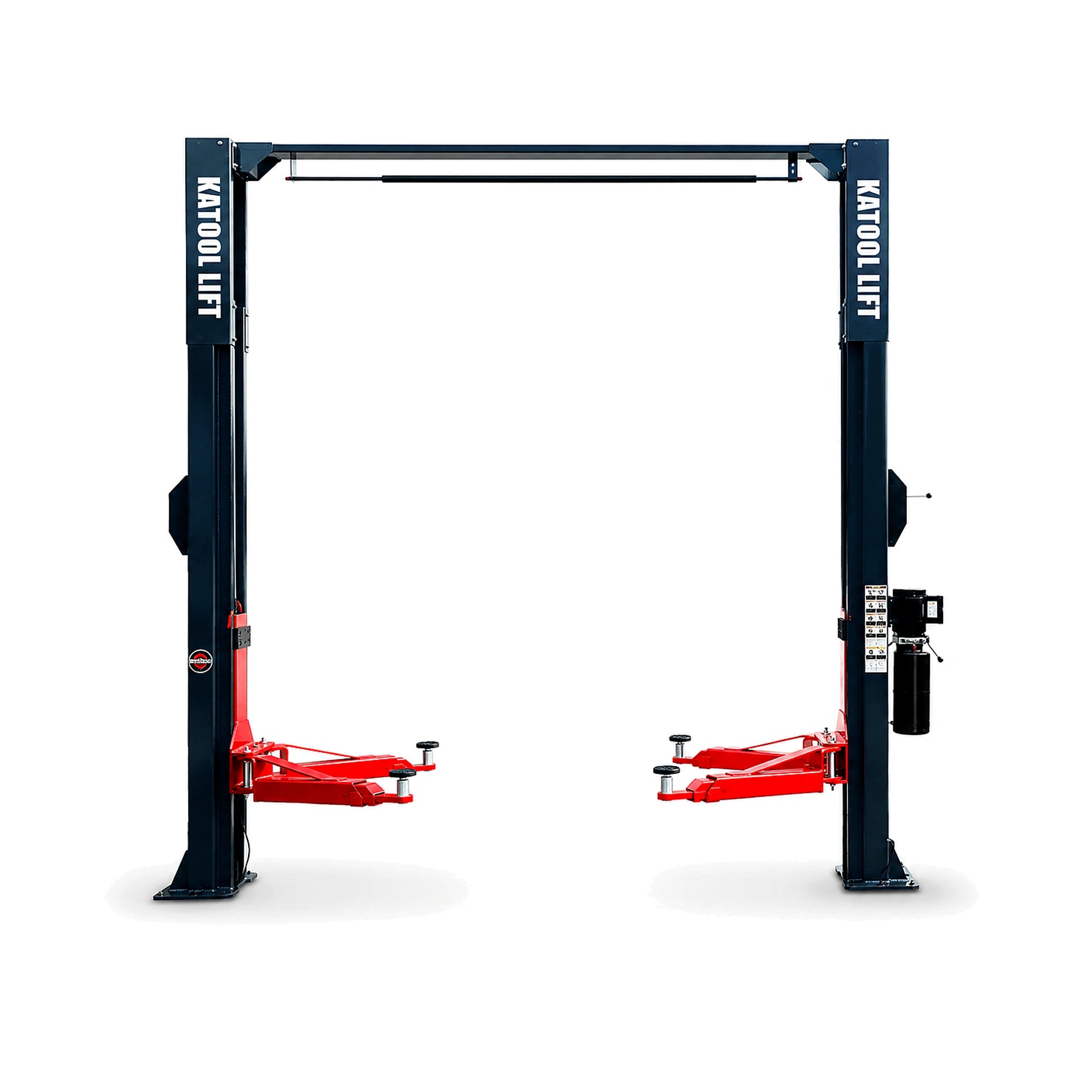
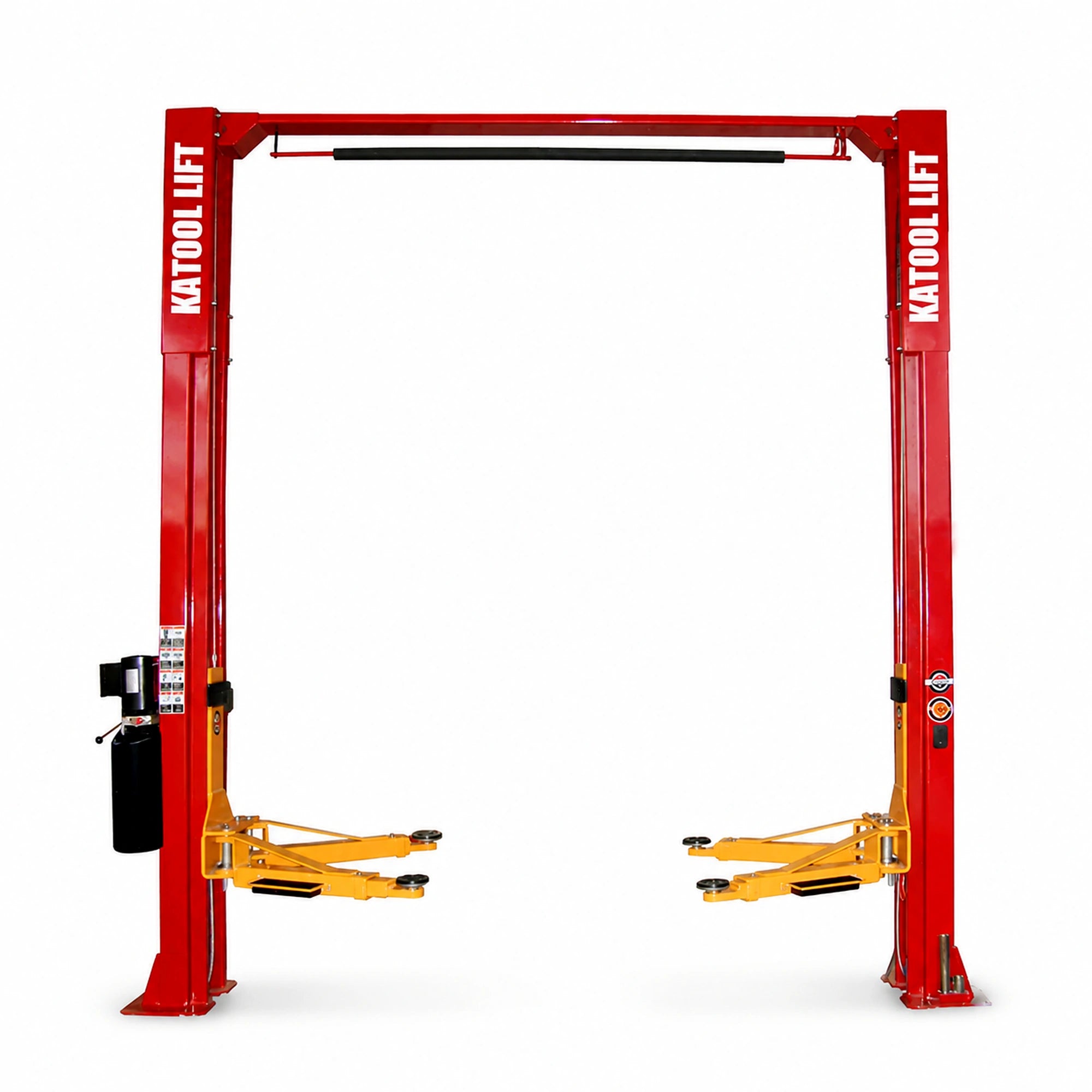
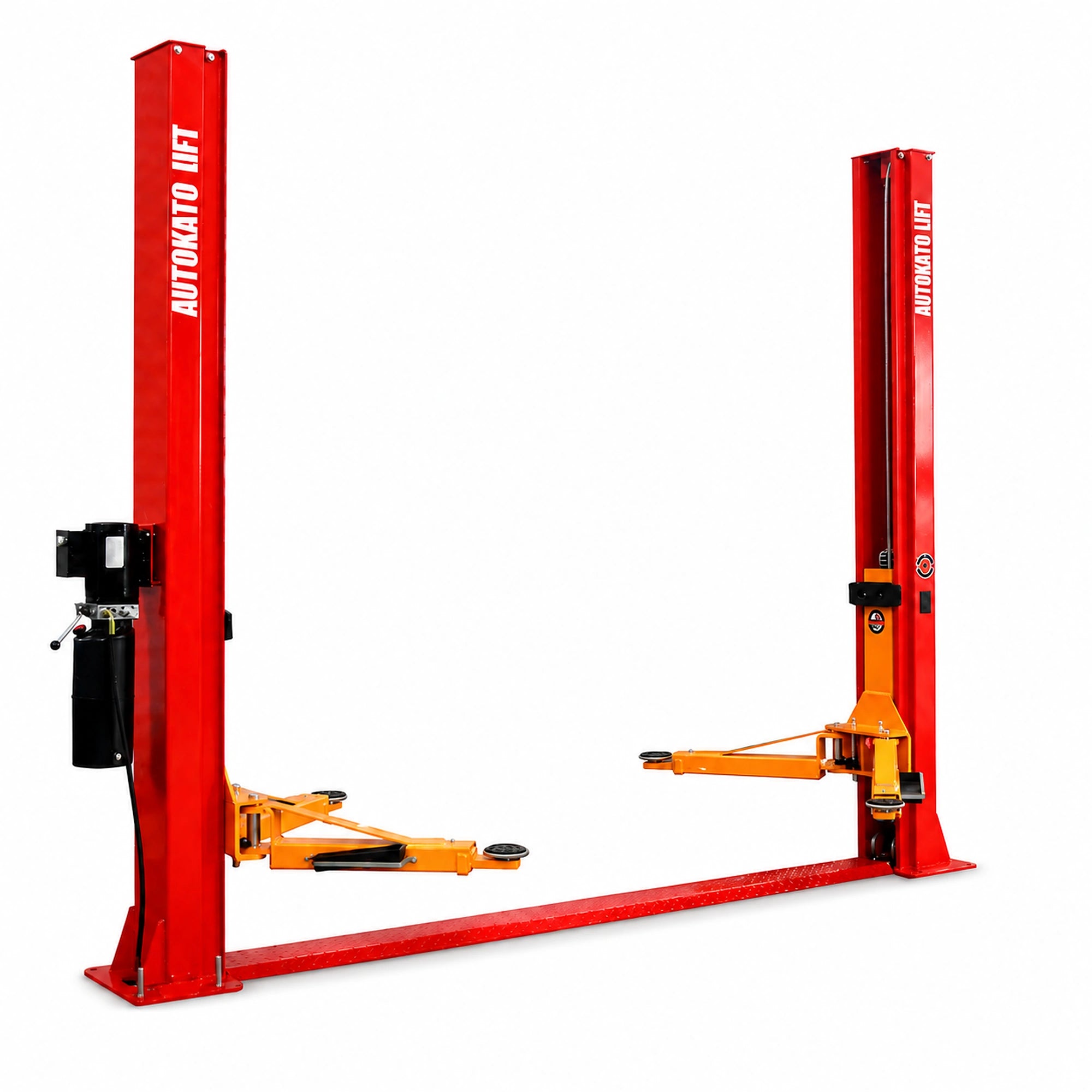
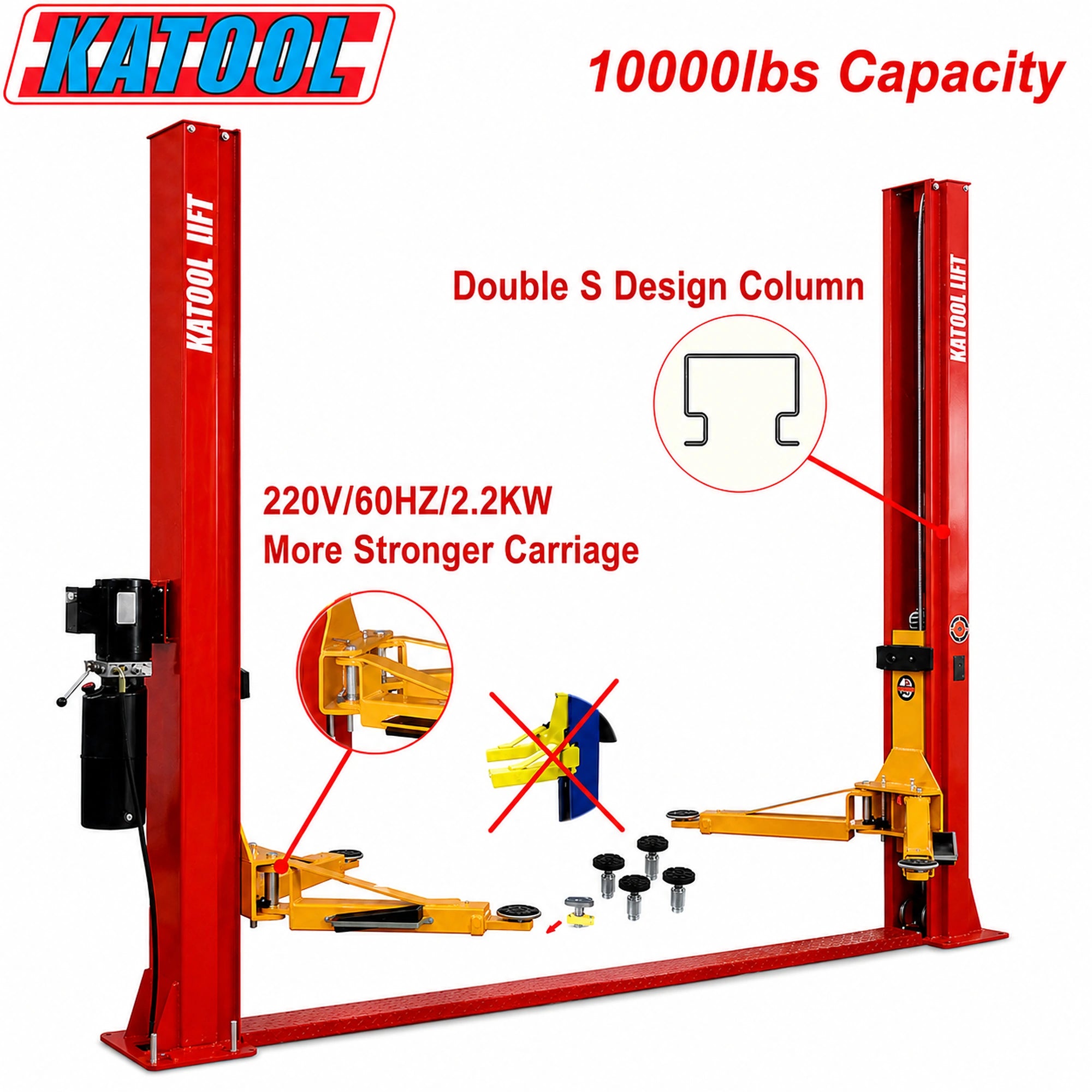
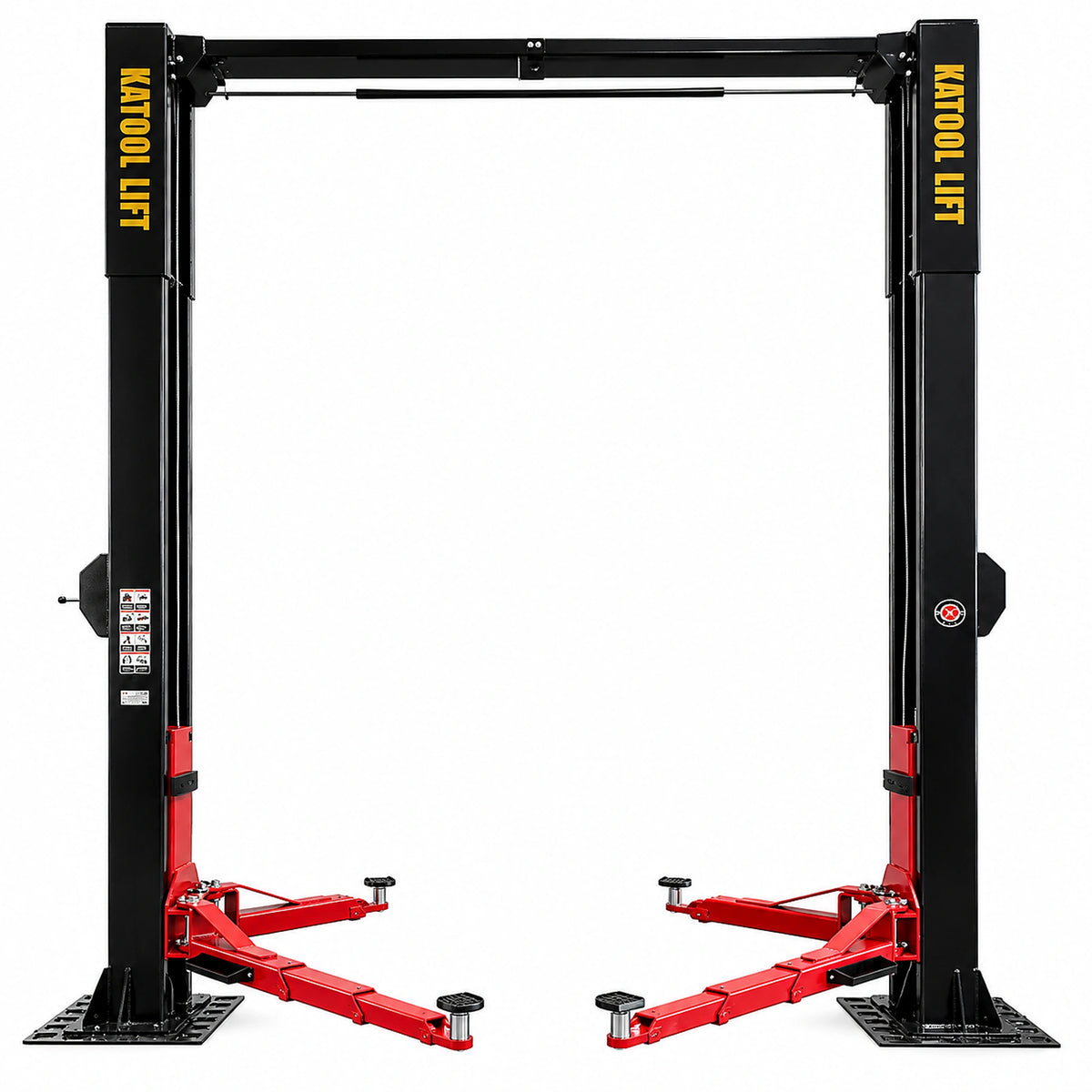
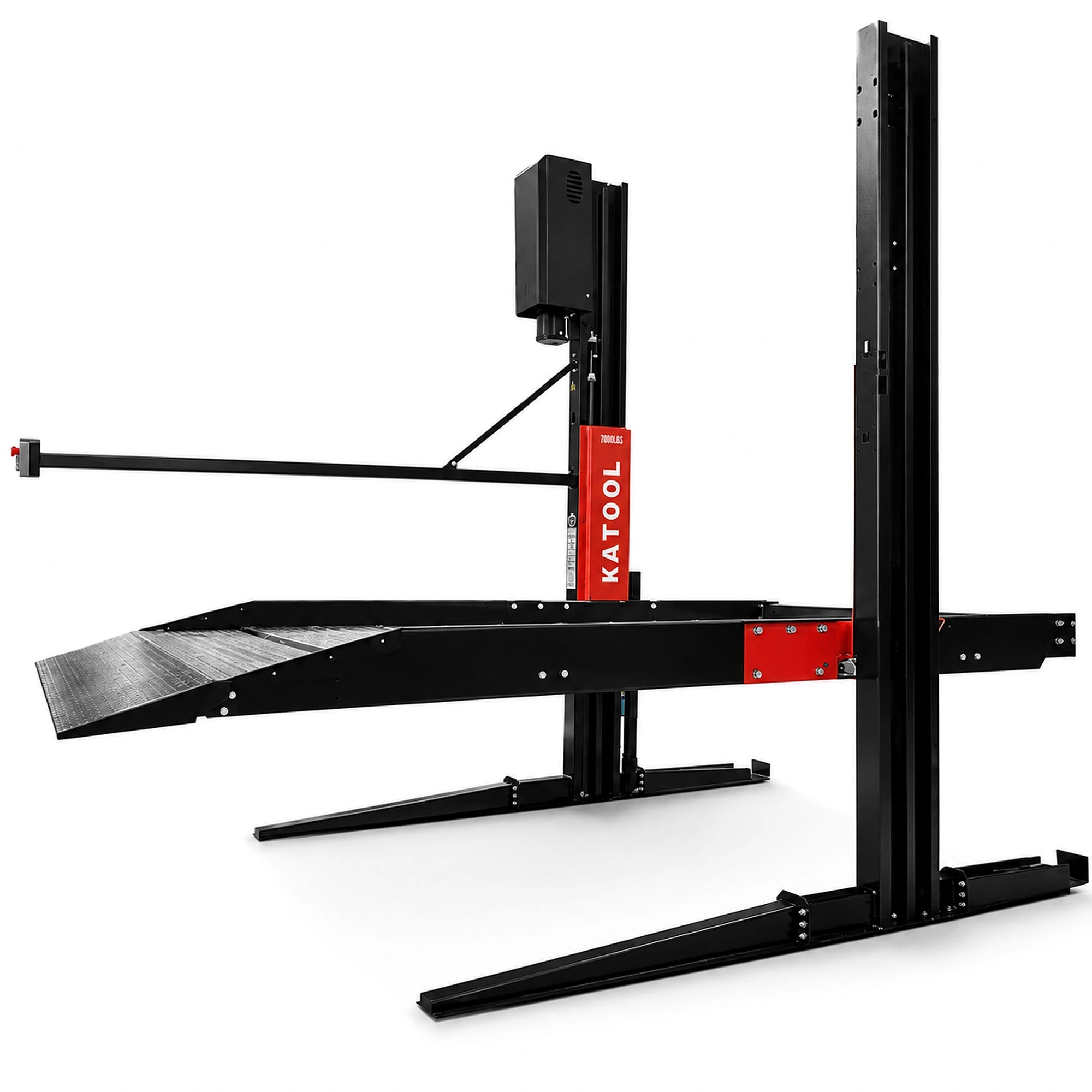
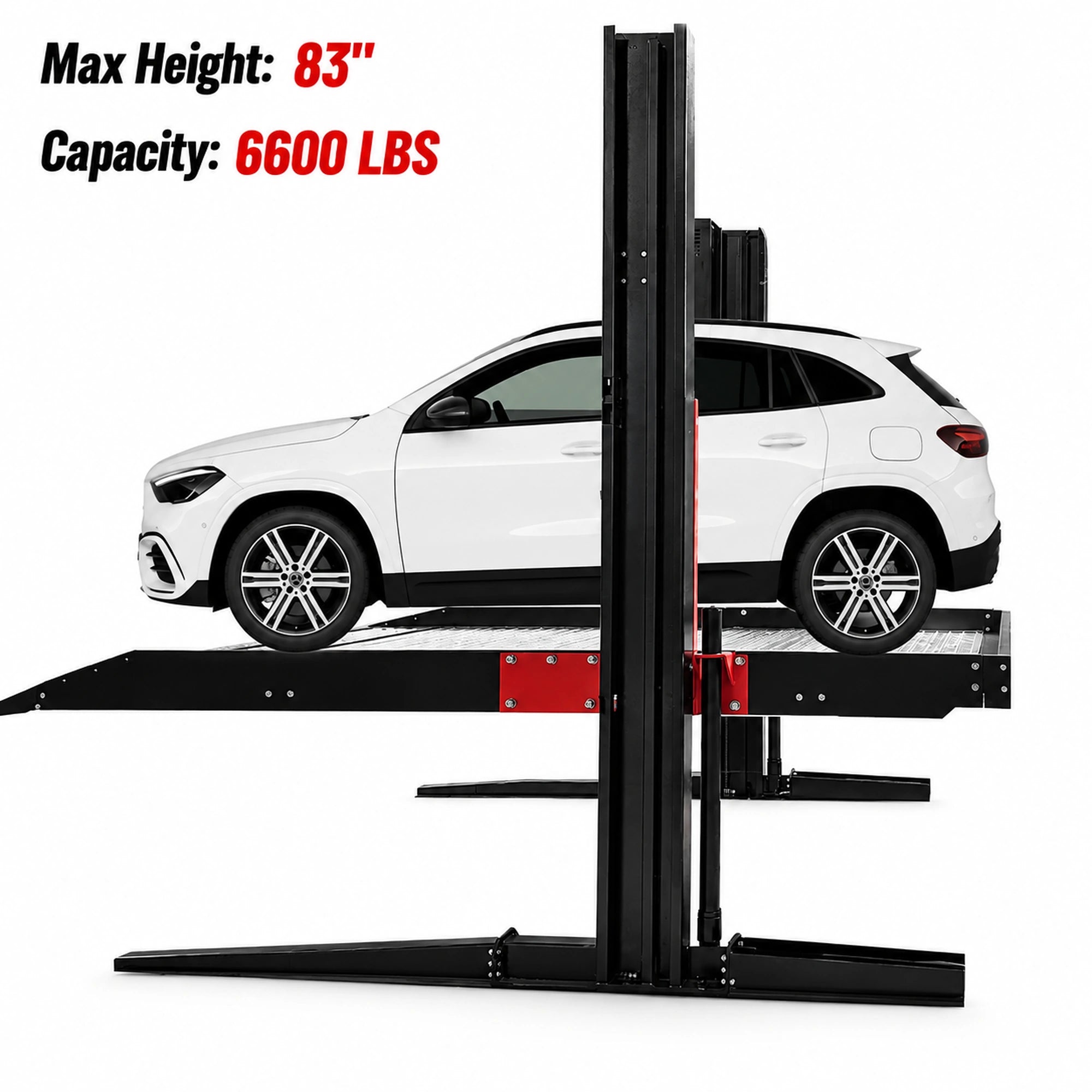
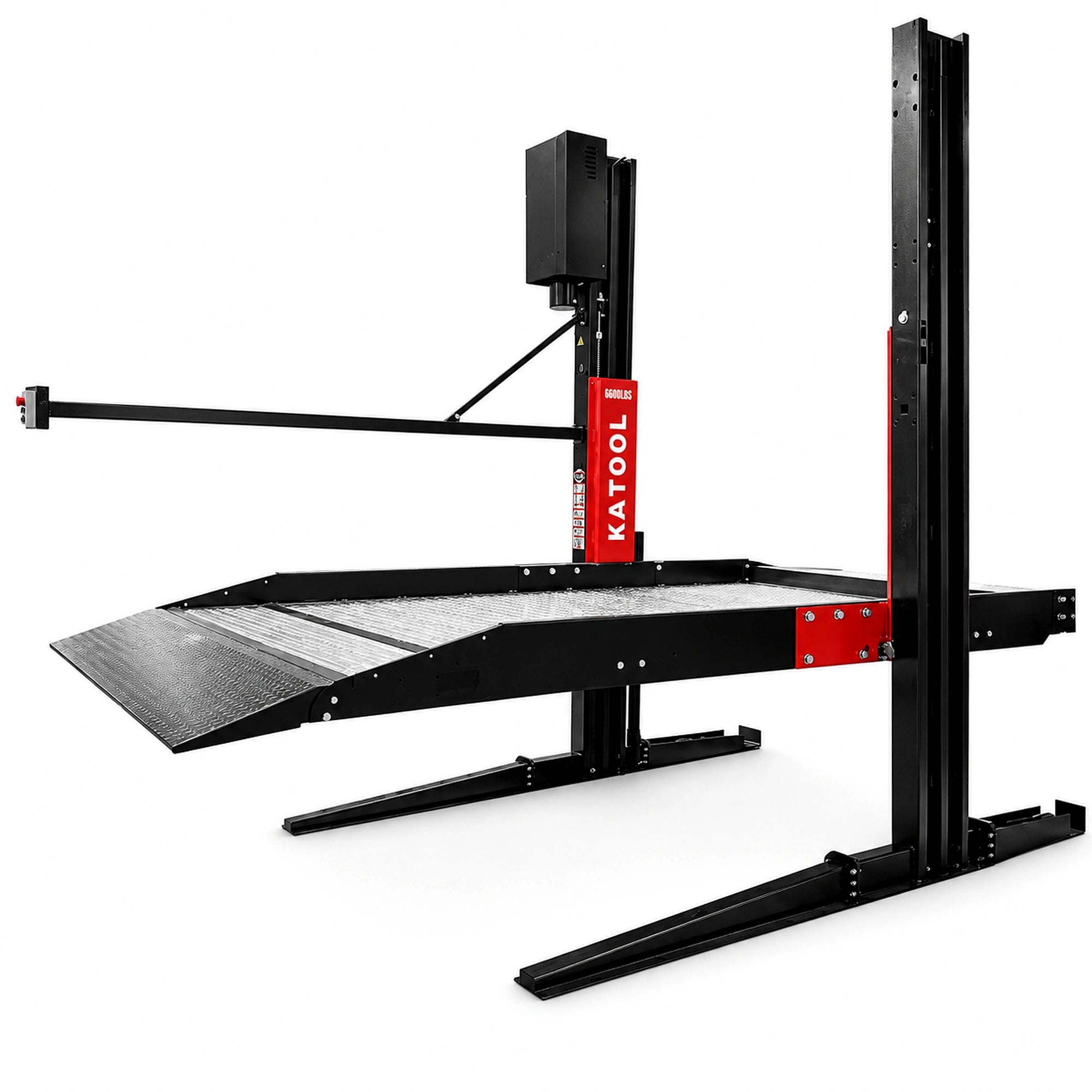
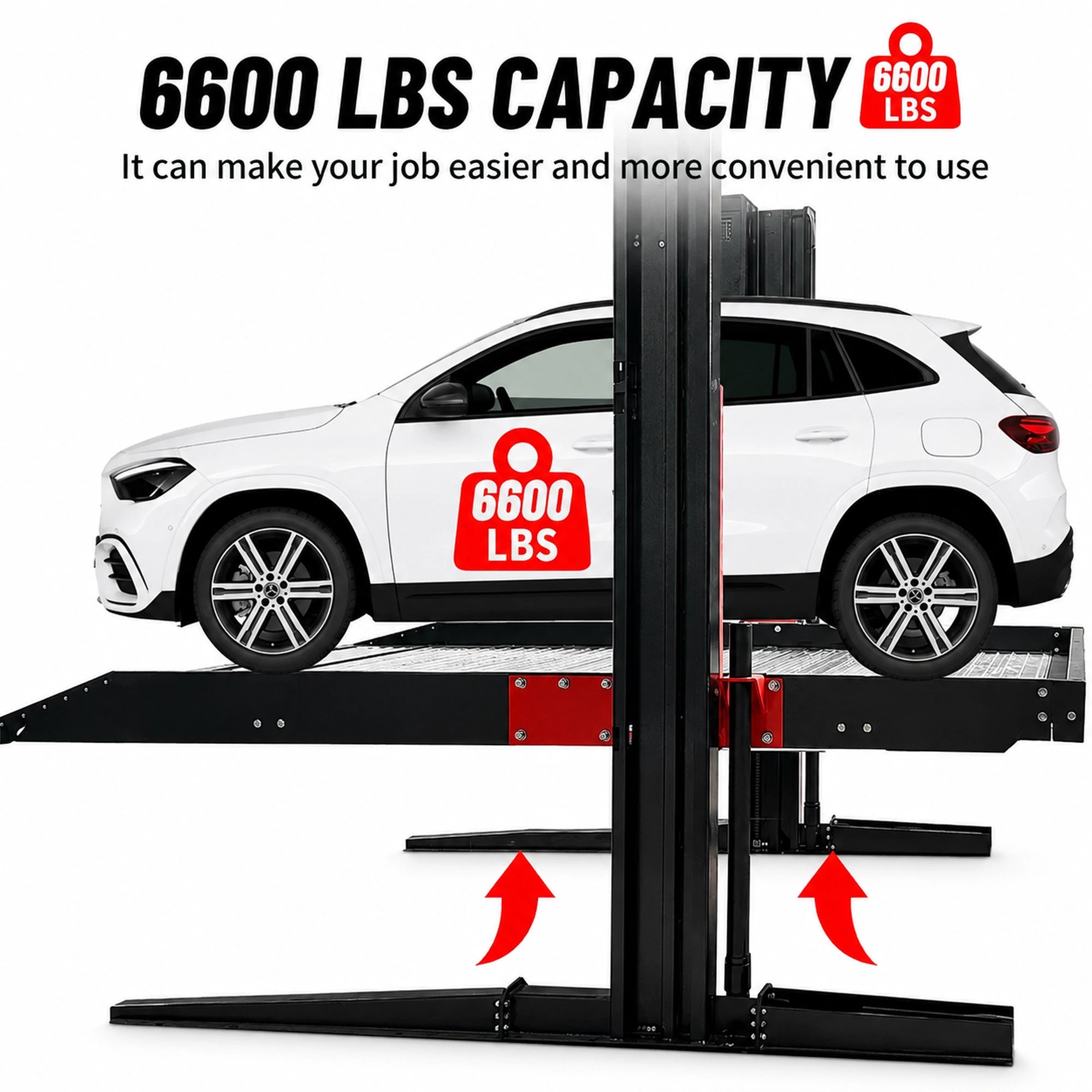
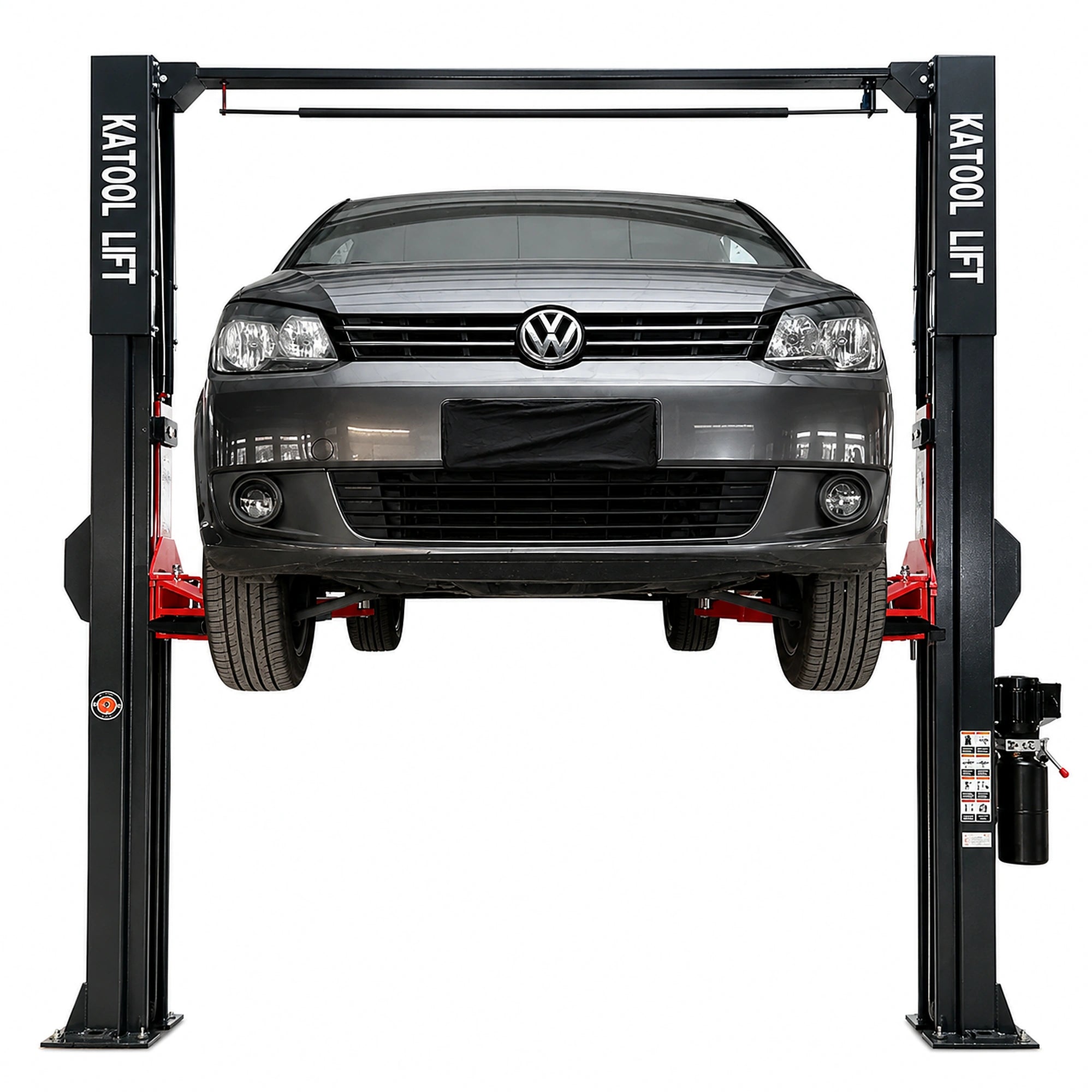
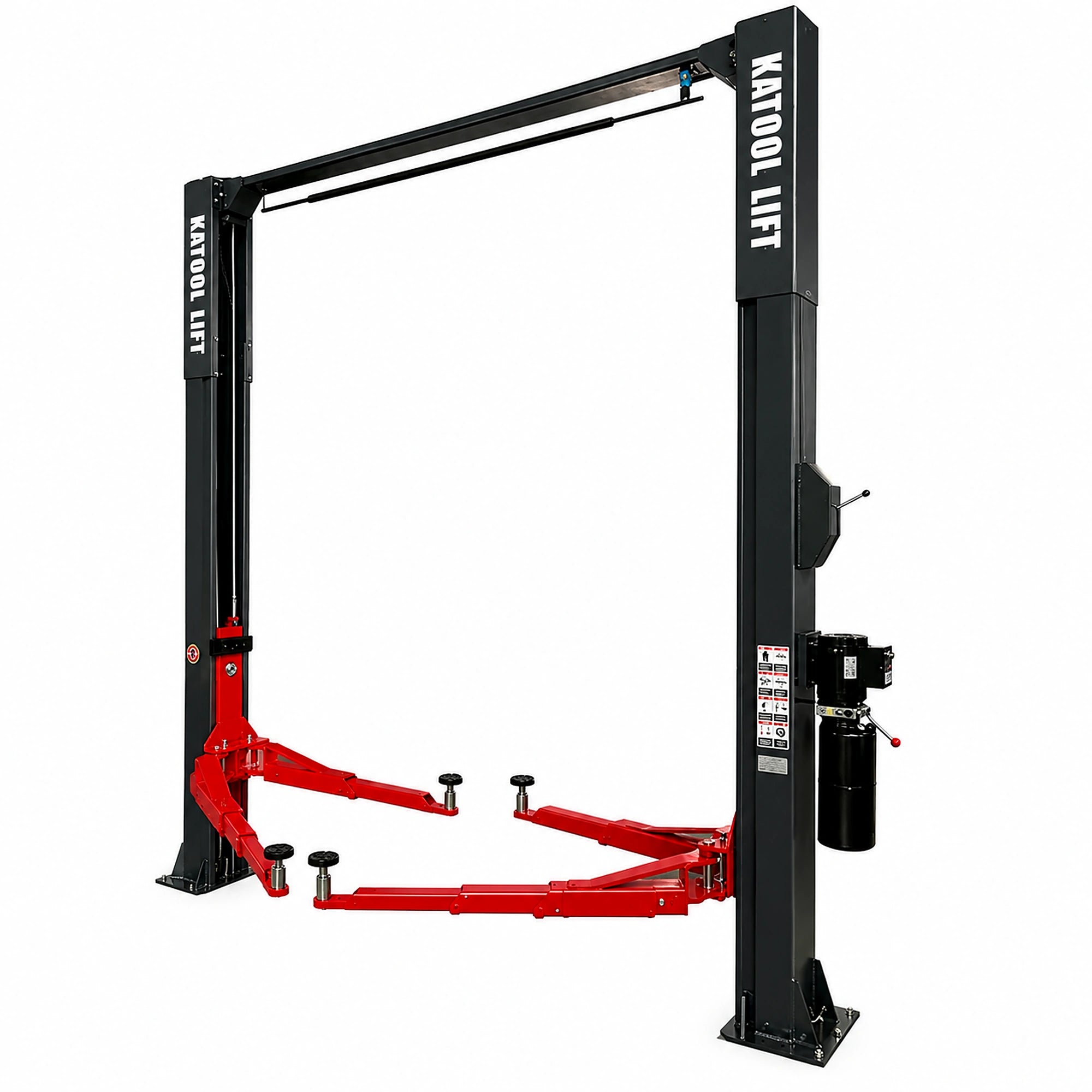
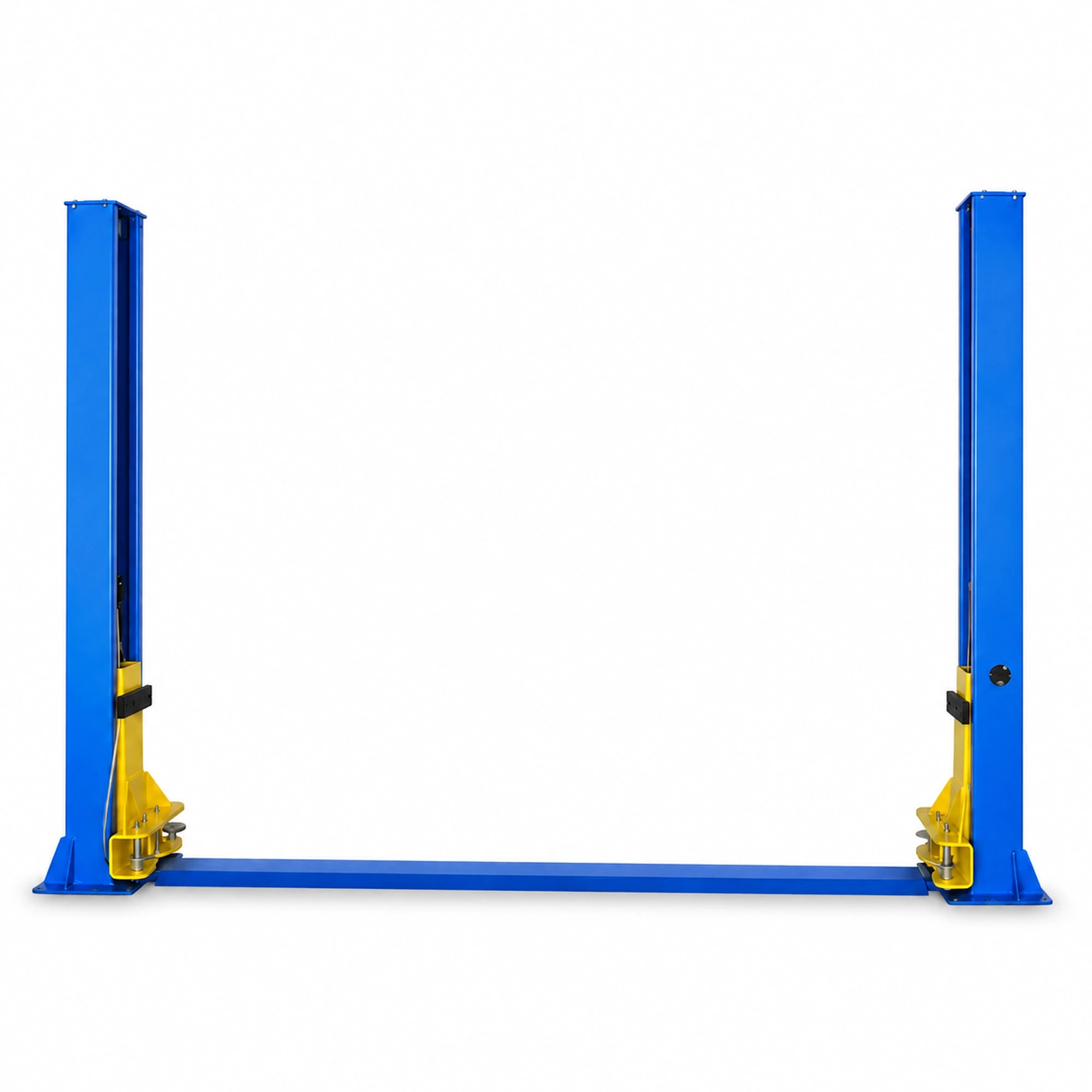
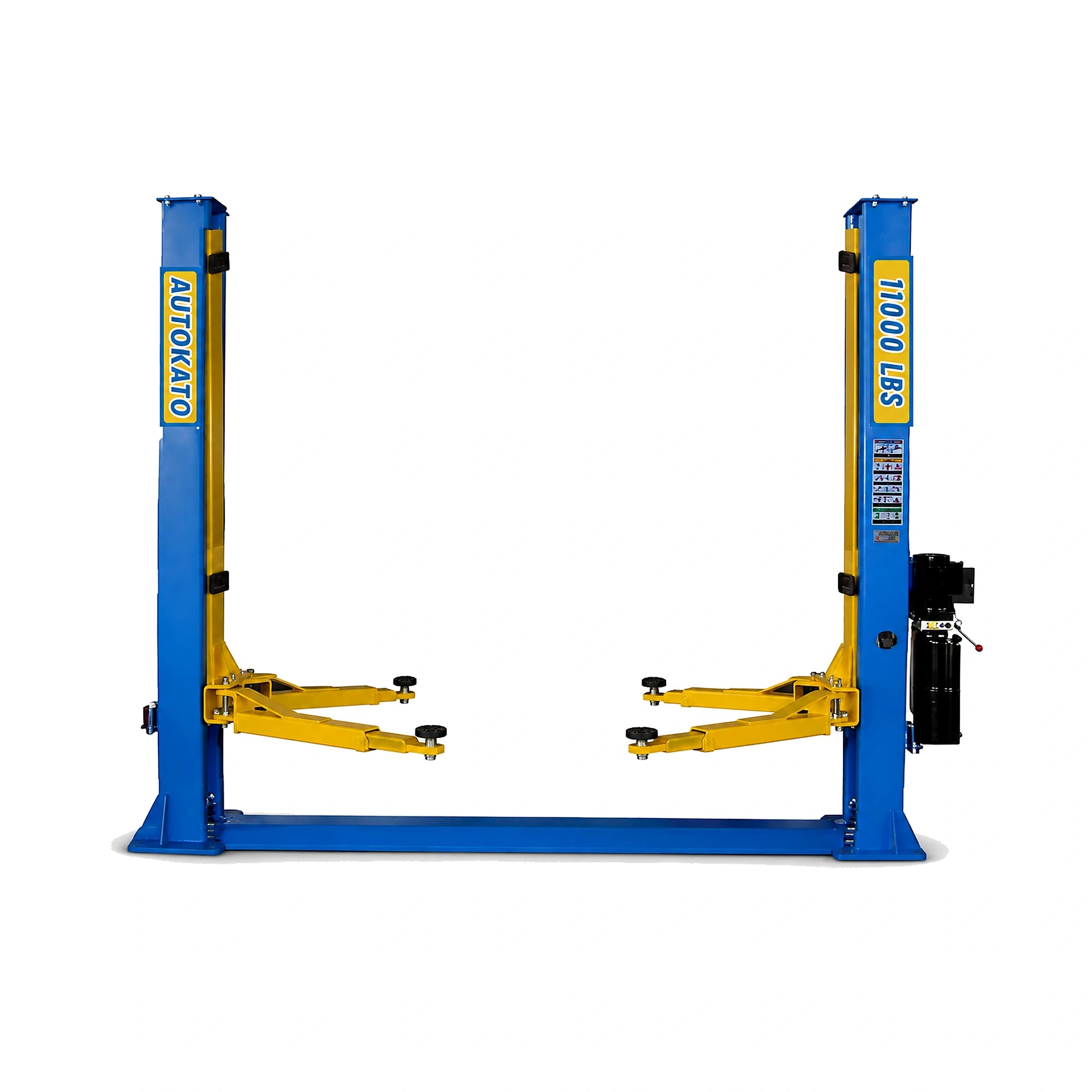
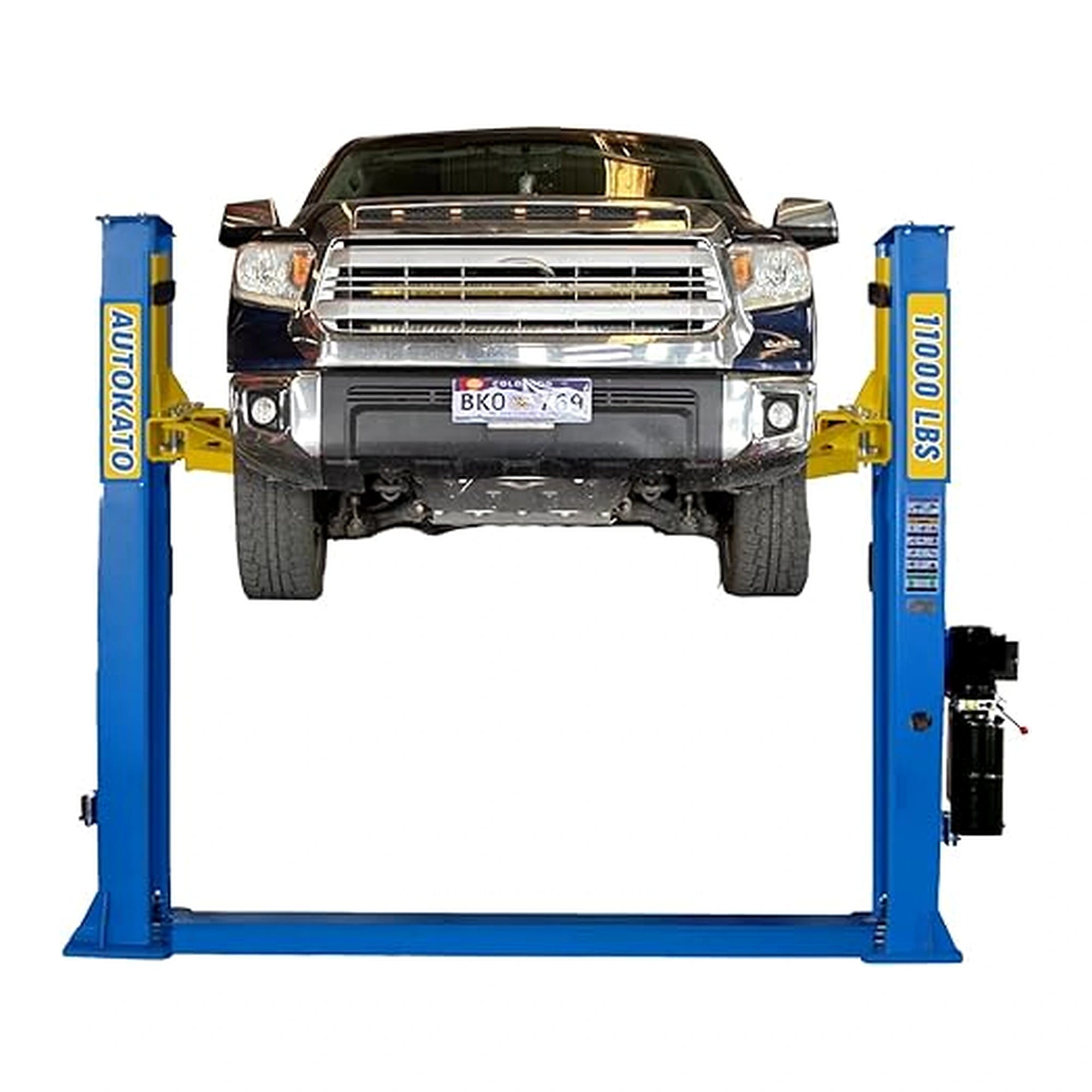
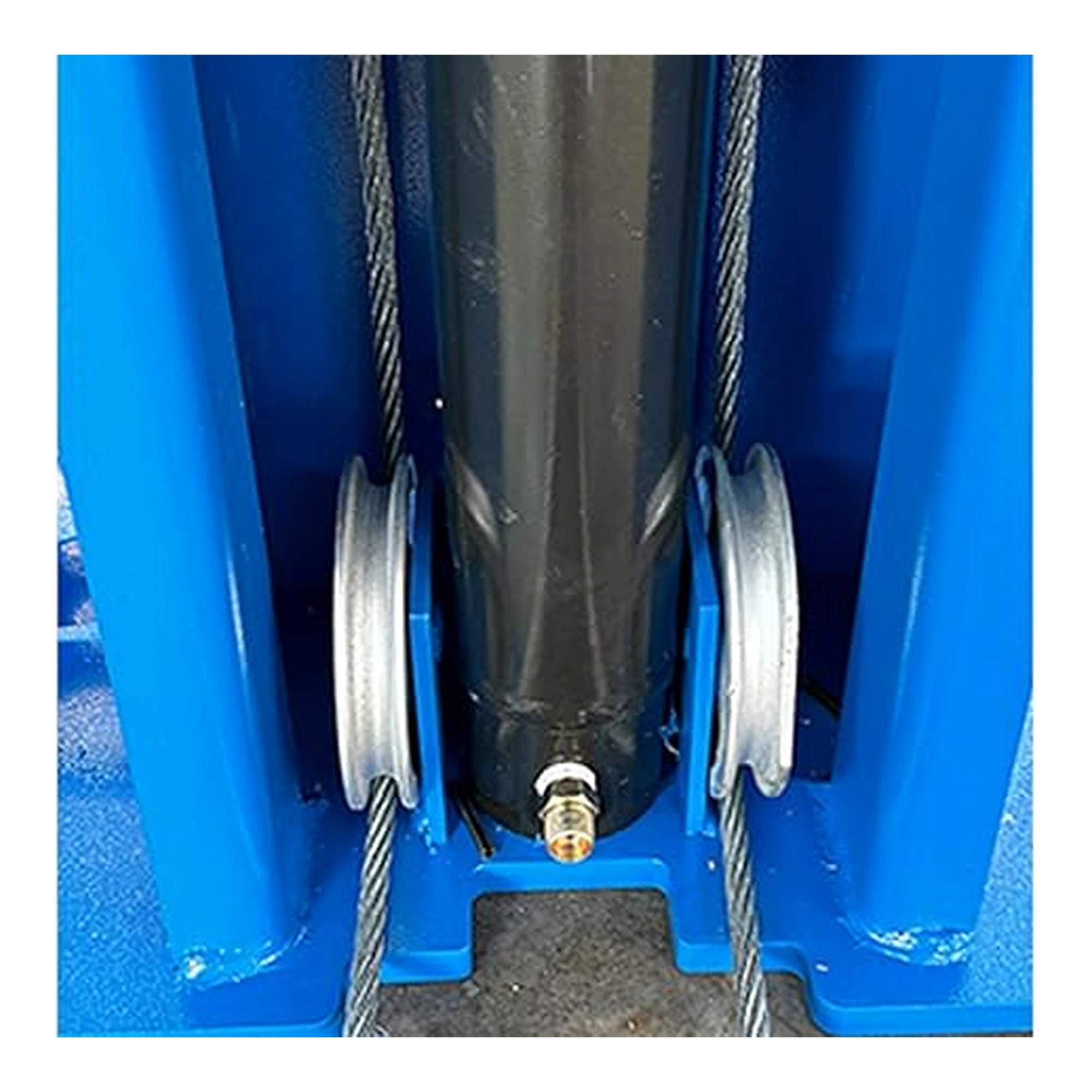
Katool Two Post Lifts – Car Lifts for Shops and Garages
Here's the deal with Katool: Rainier Engineering Ltd. figured out that building a bulletproof two post lift doesn't require charging bulletproof prices. Since entering the U.S. market in 2019, they've been shipping lifts from domestic warehouses that share the same production lines as brands charging two or three times more. The difference? No legacy pricing, no distributor markup stacking, just honest equipment at honest prices.
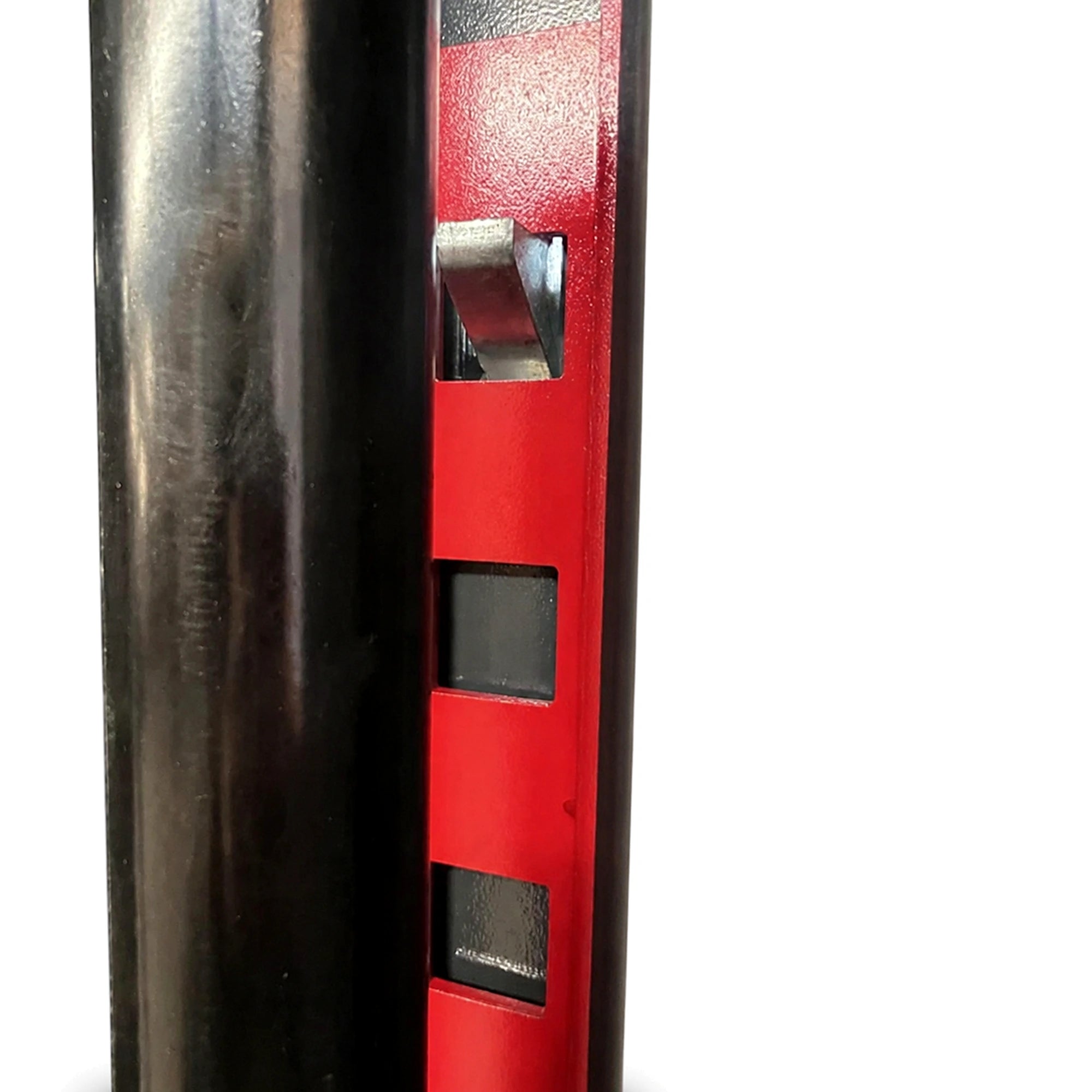
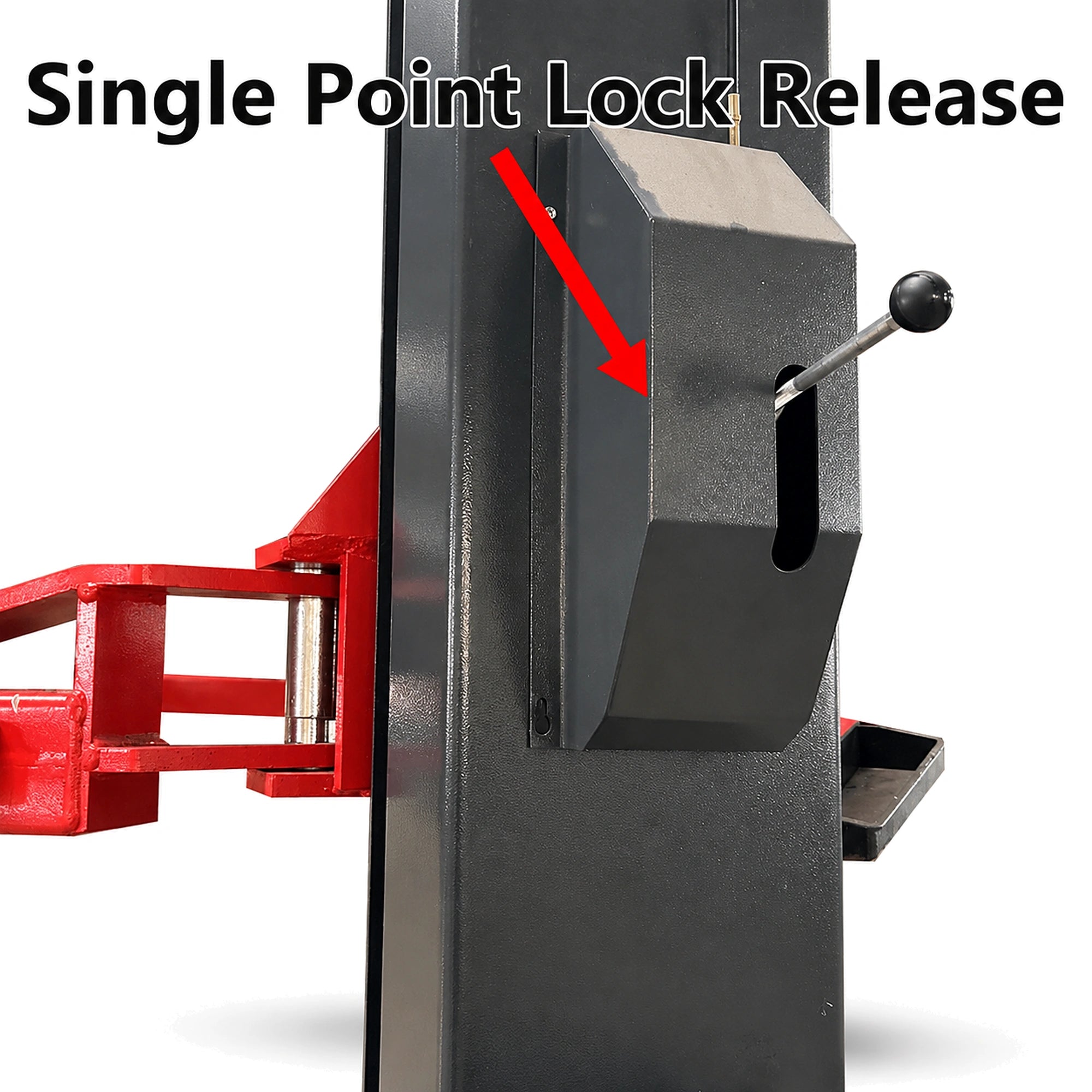
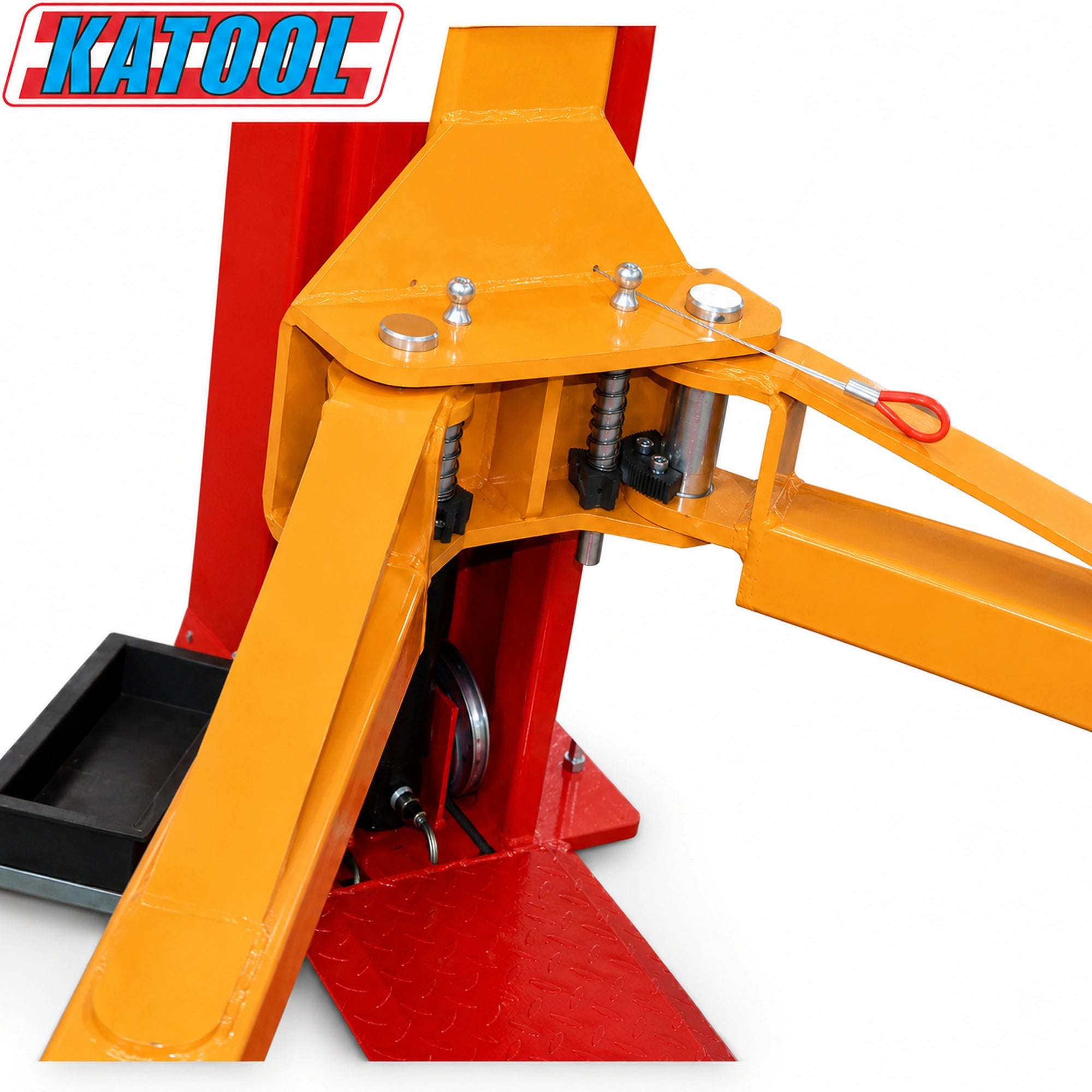
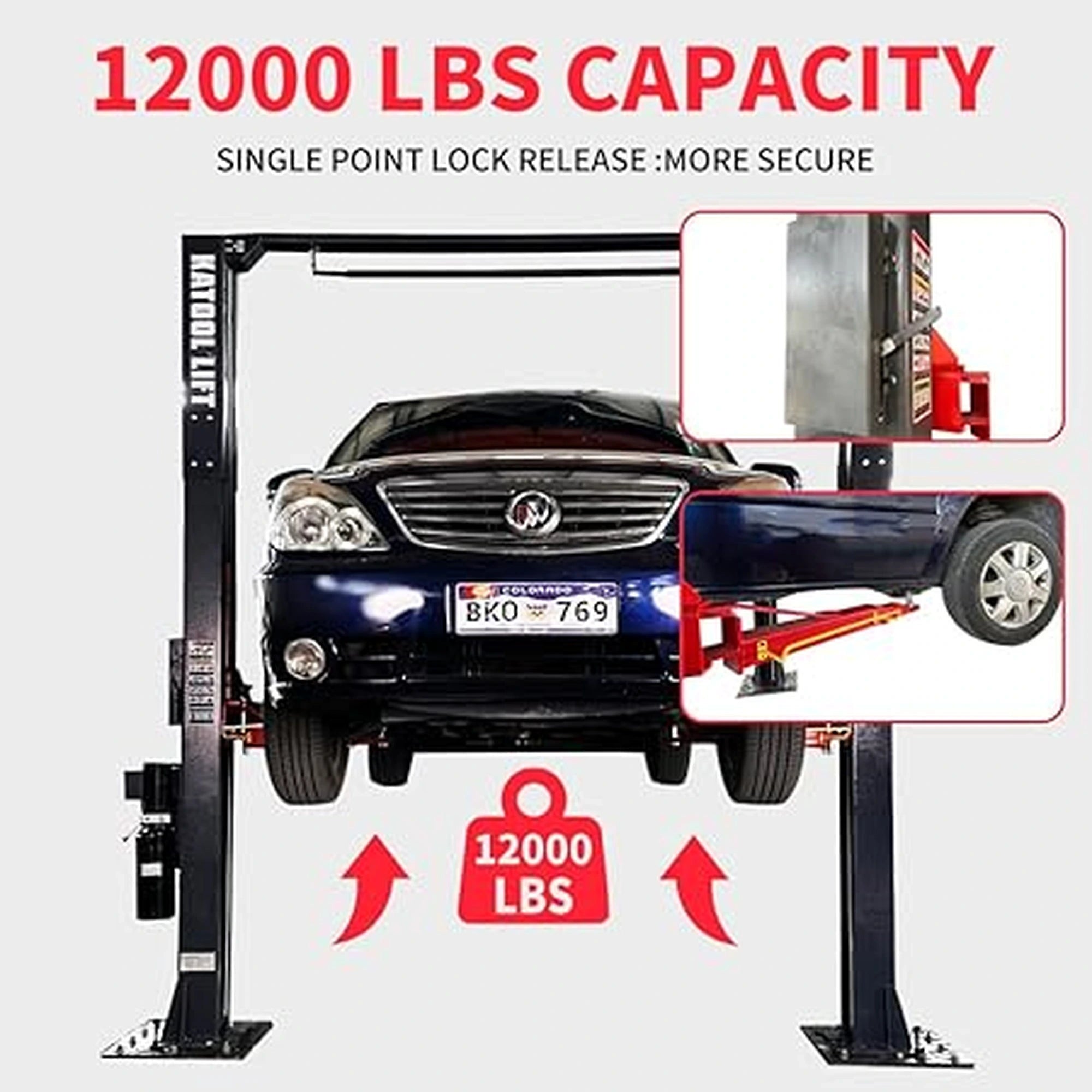
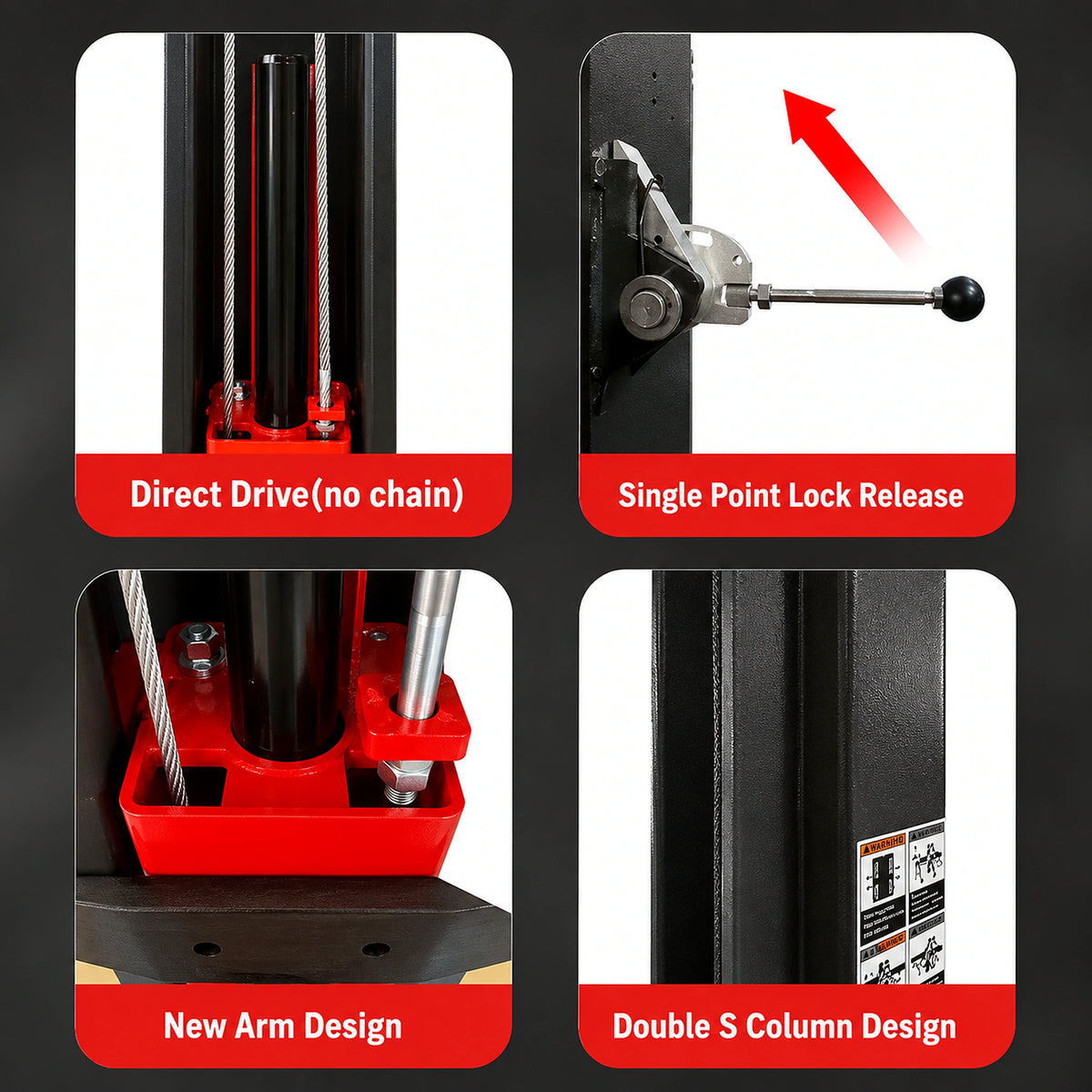
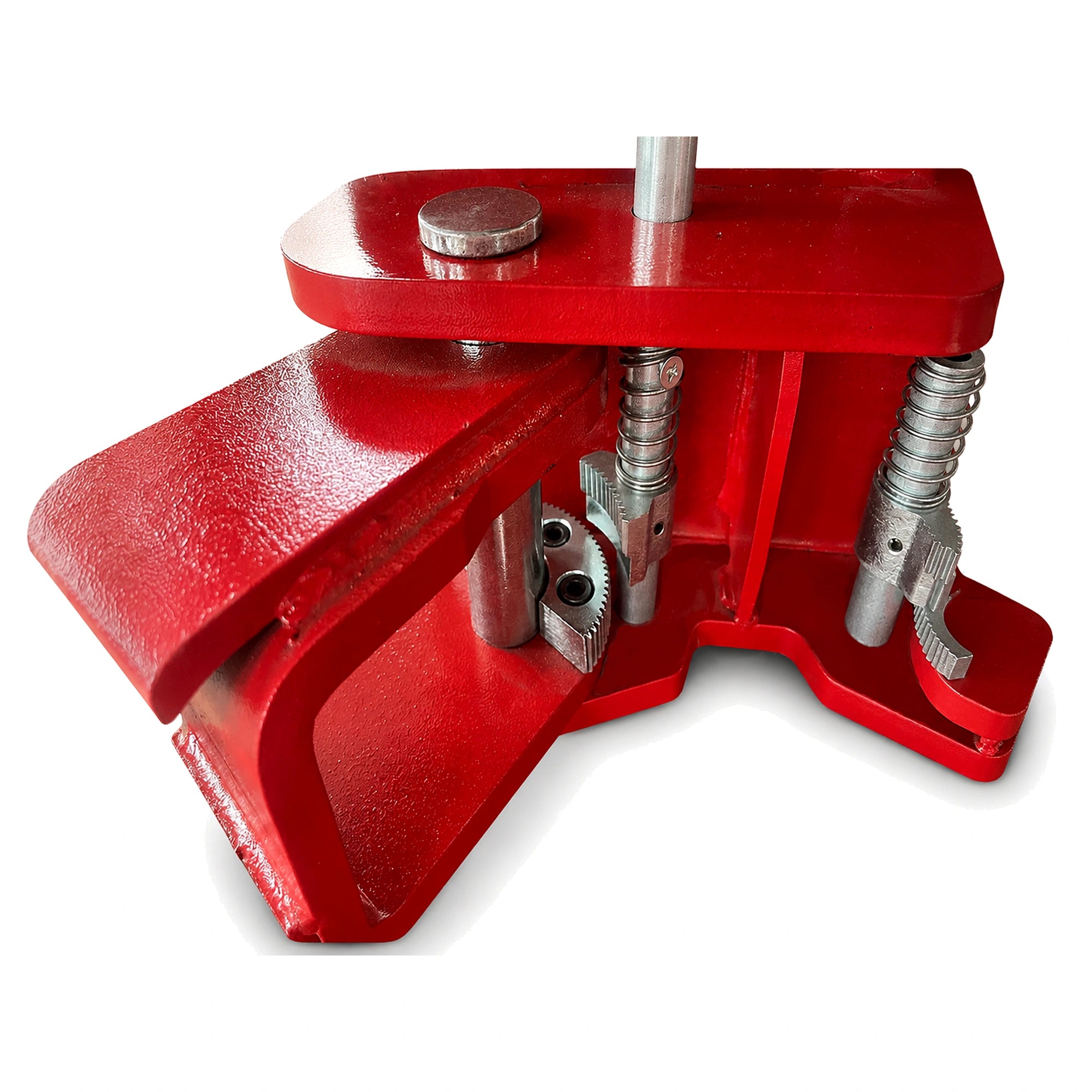
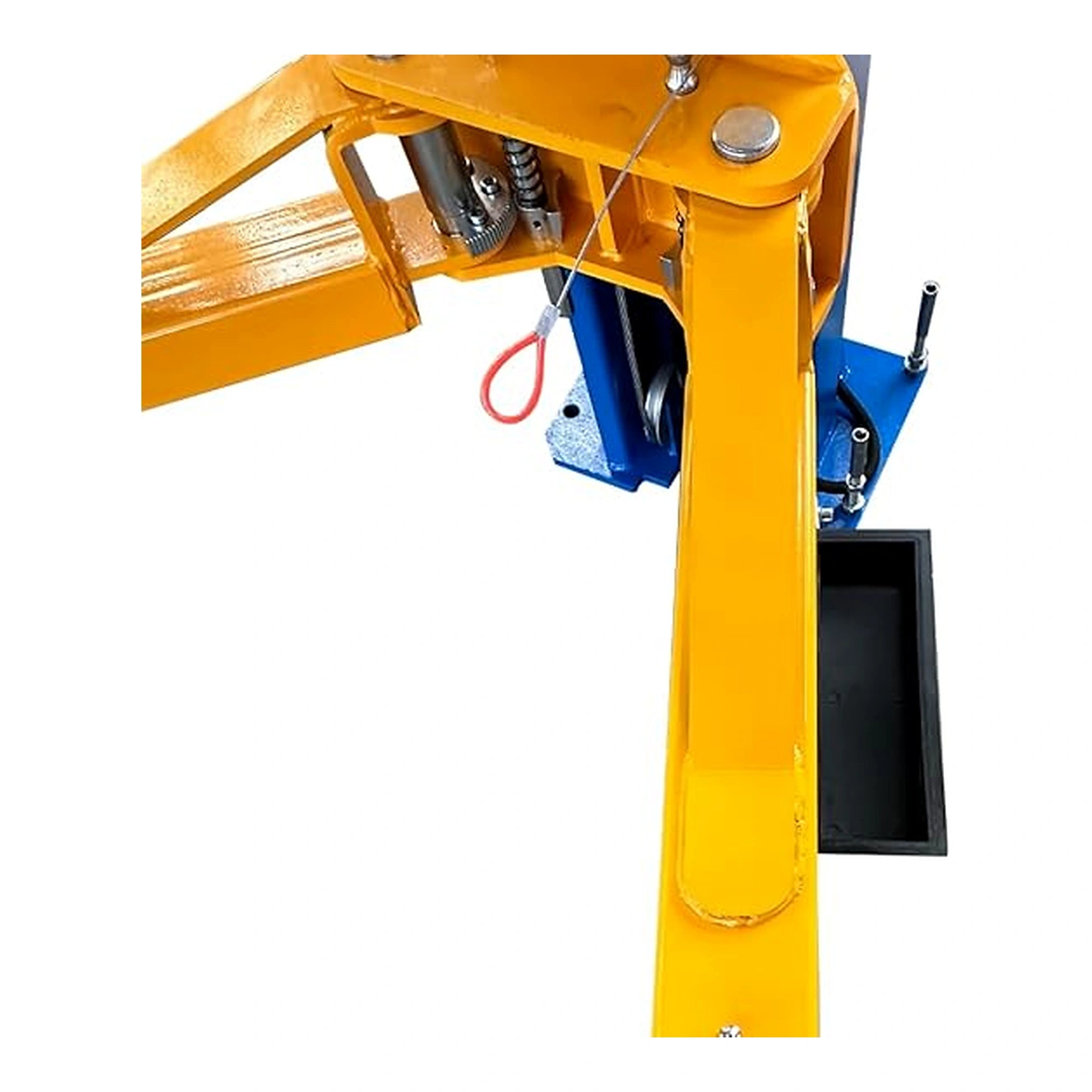
Every Katool lift rolls through CE certification—that's the 115% dynamic and 150% static load testing that separates real equipment from garage sale specials. Dual hydraulic cylinders, single-point lock release, pre-crimped hydraulic lines that don't leak on day three. You know, the stuff that matters when you've got 5,000 pounds of truck hovering over your head.
First-time lift buyers always ask: "are Katool lifts any good?" Fair question. The forums tell the story better than we can—guys who started skeptical, installed their lift, put a Cummins on it, and became believers. The welding is tight, the columns don't flex, the locks click with that satisfying chunk that means business. Houston-based tech support actually picks up the phone. It's the kind of experience that turns a cautious purchase into a confident recommendation.
Why Katool Wins the Value Game
Strip away the marketing fluff and you're left with what actually matters in a two post automotive lift: thick steel that doesn't bend, hydraulics that lift smooth and lower controlled, safety locks you can trust, and support that doesn't ghost you after the sale. Katool nails all four without asking you to finance it like a used car.
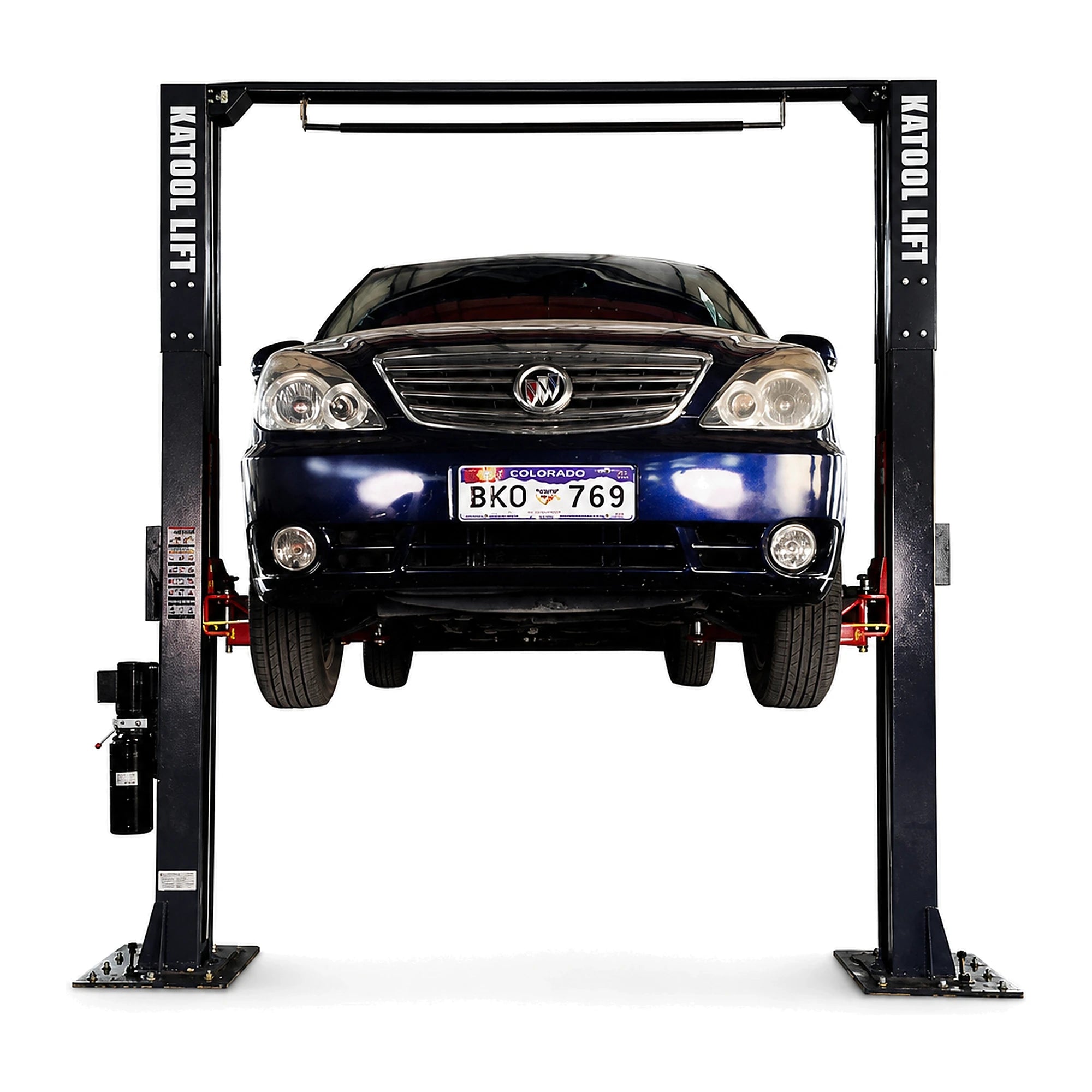
The lineup runs from 10,000 to 12,000 pounds, enough range to handle everything from Miatas to F-350s. Symmetric arms for trucks and flexibility, asymmetric for that sweet door clearance on low cars. Models like the KT-H105 have become the default choice for DIYers stepping up from jack stands, while commercial shops are quietly adding AM120SD units to expand capacity without expanding their equipment loan.
Match Your Capacity to Your Metal
The 10,000 lb models (KT-H100, KT-H105) are your bread-and-butter passenger vehicle lifts. Daily drivers, weekend warriors, that Subaru your neighbor keeps asking you to look at: handled. Step up to 11,000 pounds (KT-M110, KT-AS110D) and you're in the sweet spot for mixed fleets, luxury sedans in the morning, Tahoes in the afternoon. The 12,000 lb beasts (KT-M120, KT-H120D, AM120SD) laugh at diesel trucks and commercial vans.
- 10K club (KT-H100, KT-H105) – Your gateway drug to never crawling on cold concrete again
- 11K versatility (KT-M110, KT-AS110D) – The Goldilocks zone for shops that see everything
- 12K heavy hitters (KT-M120, KT-H120D, AM120SD) – When "will it fit?" becomes "will it even notice?"
- Symmetric or asymmetric – Pick your poison based on what you're lifting most
- Chain-drive or direct-drive – Different strokes for different shops
Installation: Easier Than You Think, Harder Than You Hope
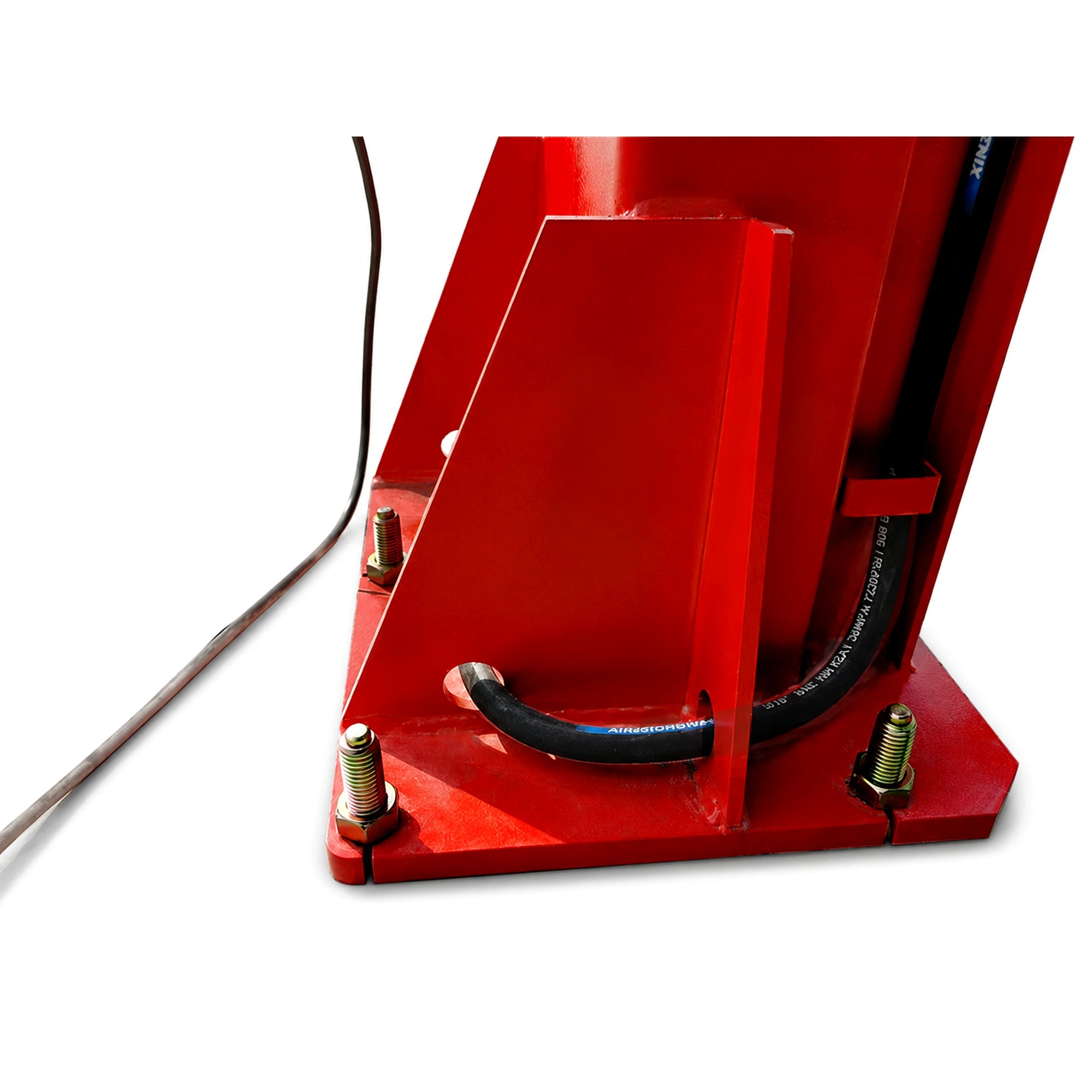
Let's talk concrete. You need 5.9 inches minimum, 3,000 PSI, and it better be actual structural concrete, not that decorative overlay your previous owner thought looked nice. This is non-negotiable physics: improper concrete doesn't just void your warranty, it creates a very expensive and potentially deadly falling hazard. Measure twice, drill once.
Power-wise, you're looking at standard 220V single-phase. The same juice running your welder or air compressor. Katool sends you pre-drilled columns and pre-crimped hydraulic lines, which means less "why doesn't this fit?" and more "oh, that actually went together." Most installations clock in around 4-6 hours with a buddy, a drill, some wrenches, and enough coffee to keep both of you motivated.
Home garage crew: yes, models like the KT-H105 and KT-M110 absolutely work in residential spaces. You'll want 11-12 feet of ceiling clearance and that 220V line, but thousands of DIYers have already proven it's doable. The Katool lift installation instructions are actually readable (revolutionary concept), and tech support exists for when you inevitably have that one question at 8 PM on a Saturday.
Truck Owners: We See You
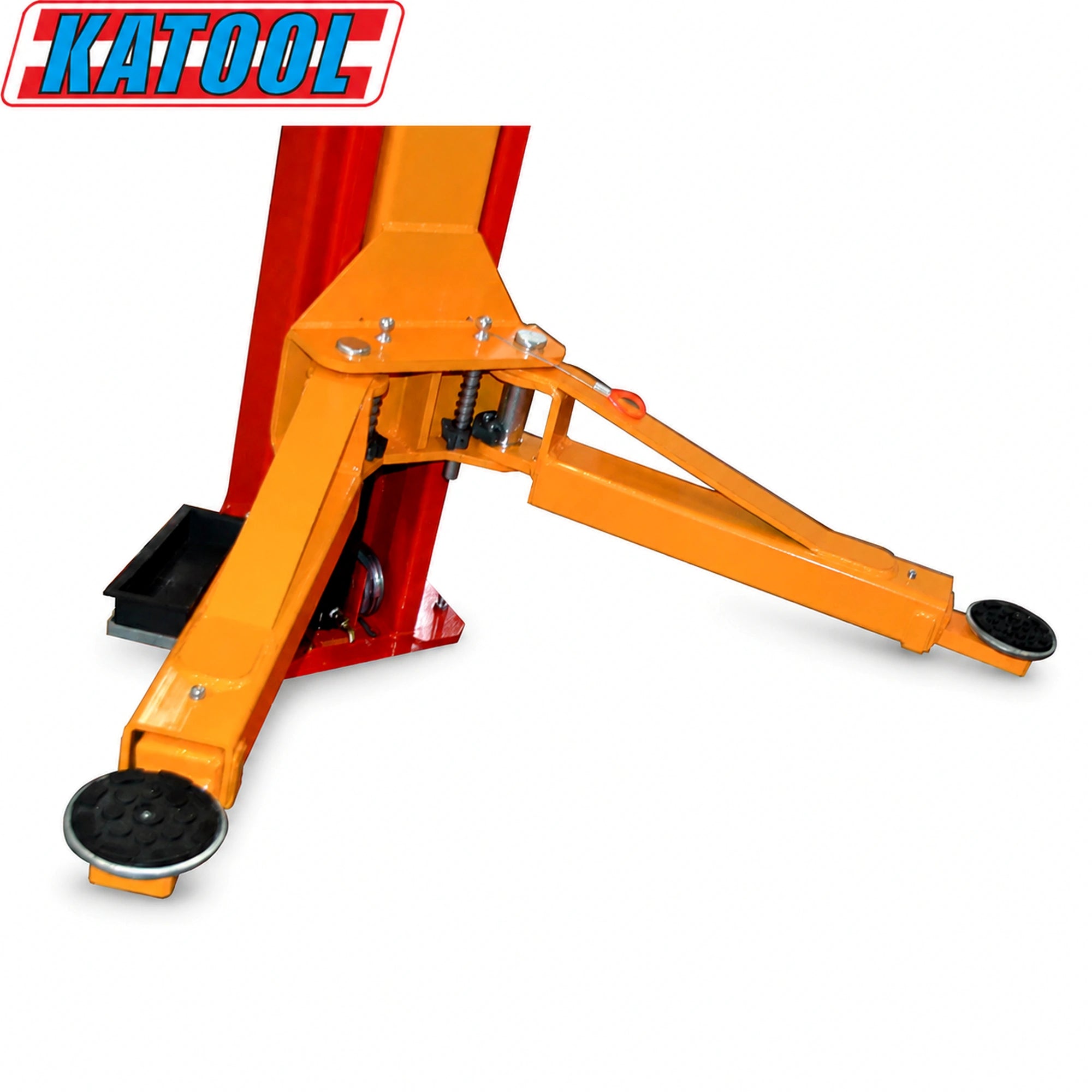
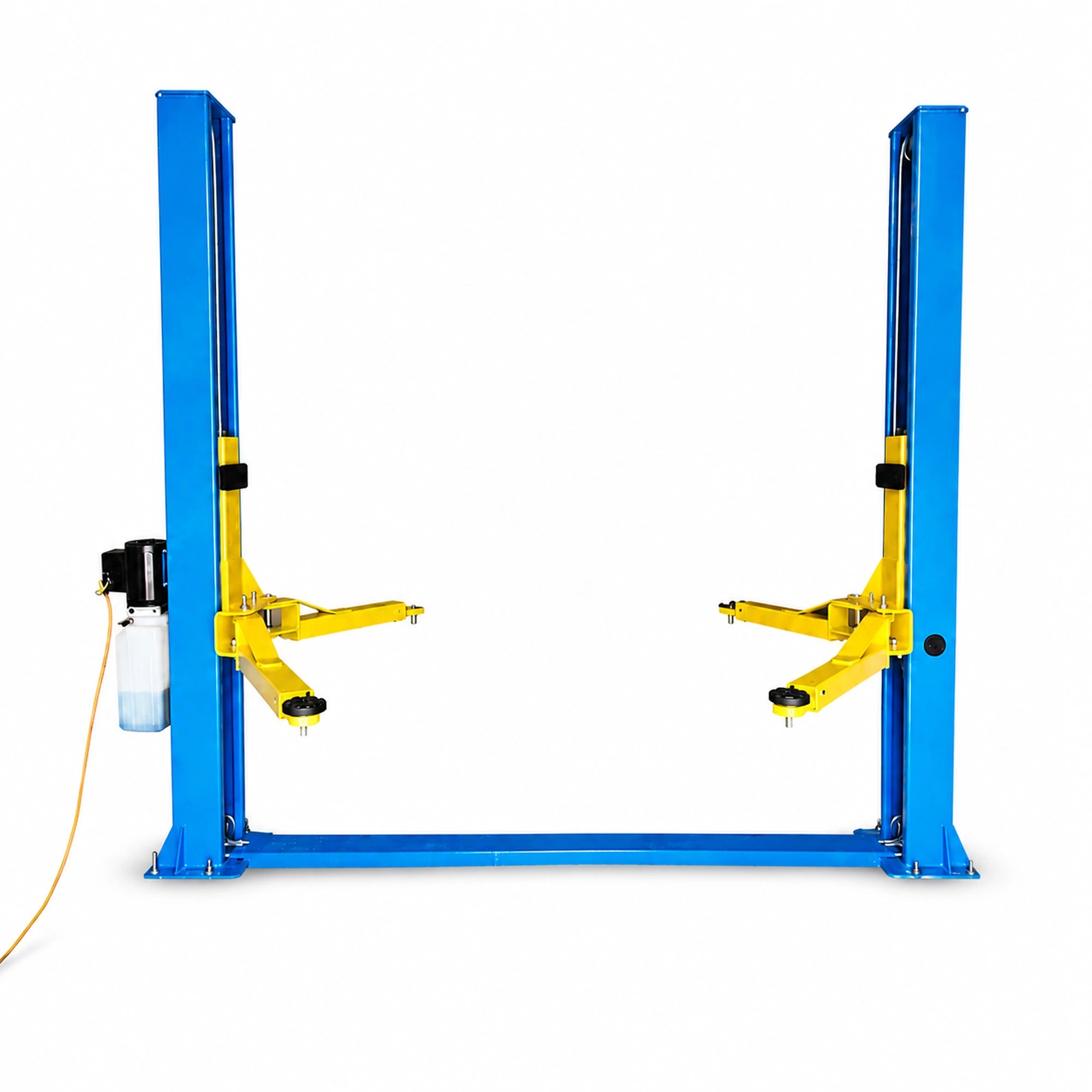
Diesel trucks break everything. They're heavier than they look, wider than they should be, and have suspension components positioned exactly where you don't want them. The 12,000 lb Katool lifts—particularly the KT-H120D and AM120SD—were built for this abuse. Reinforced arms, wide drive-through clearance, and the kind of beef in the columns that doesn't flinch when your crew cab Super Duty rolls on.
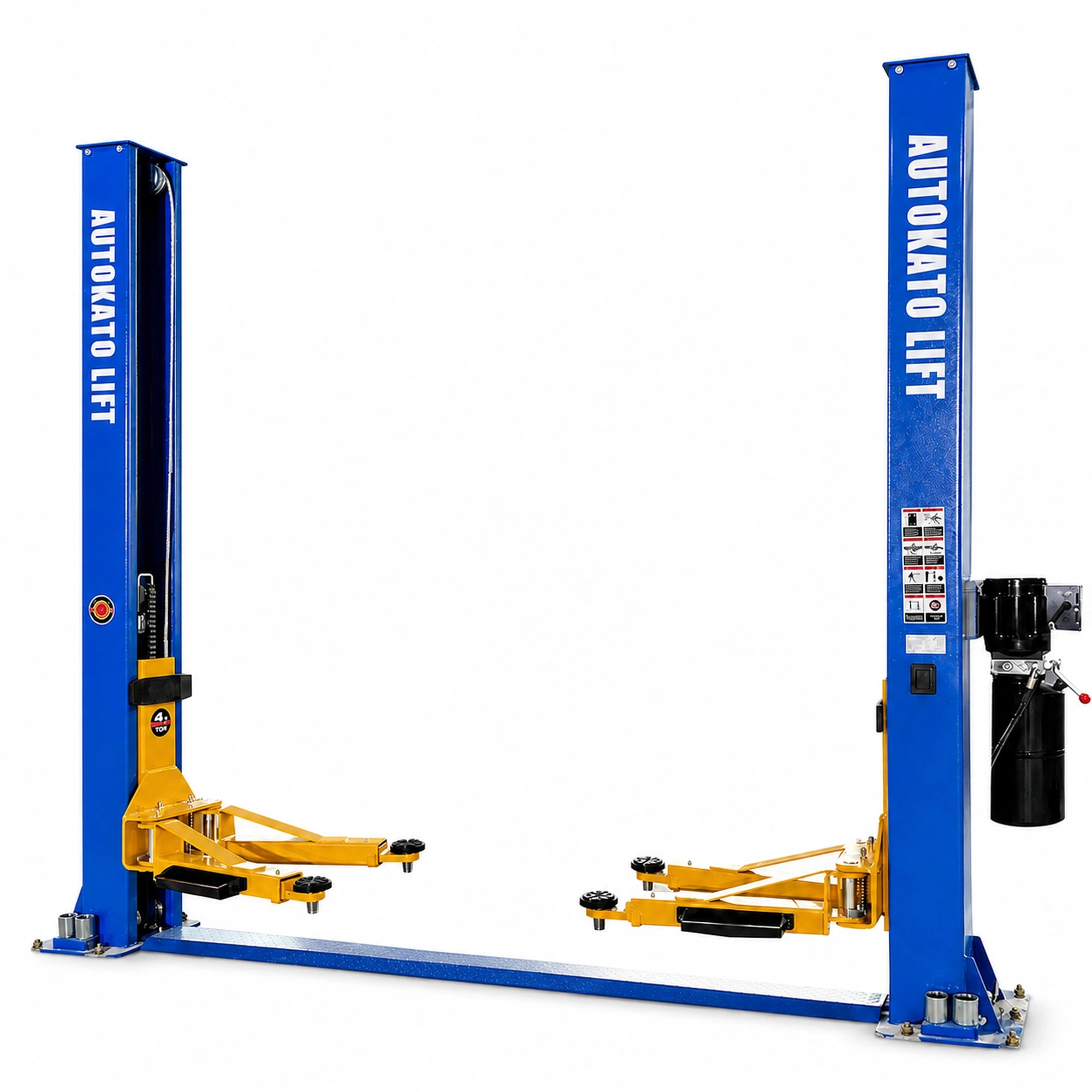
The 11,000 lb models handle three-quarter ton trucks just fine, which covers most of the diesel market unless you're exclusively working on dually conversions. Either way, you're getting stability that doesn't make you nervous and working height that doesn't make you crouch.
Symmetric vs. Asymmetric: The Only Debate That Matters
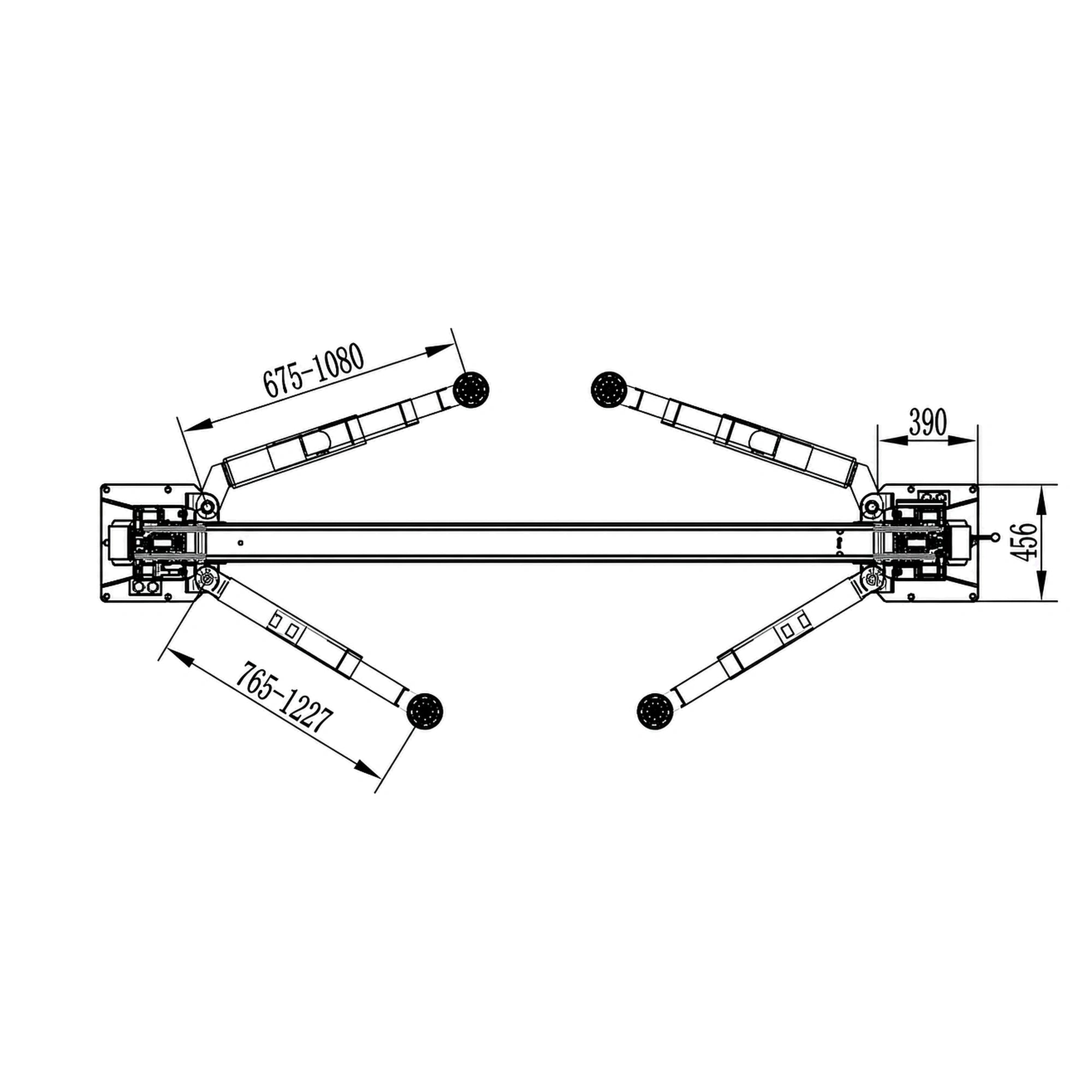
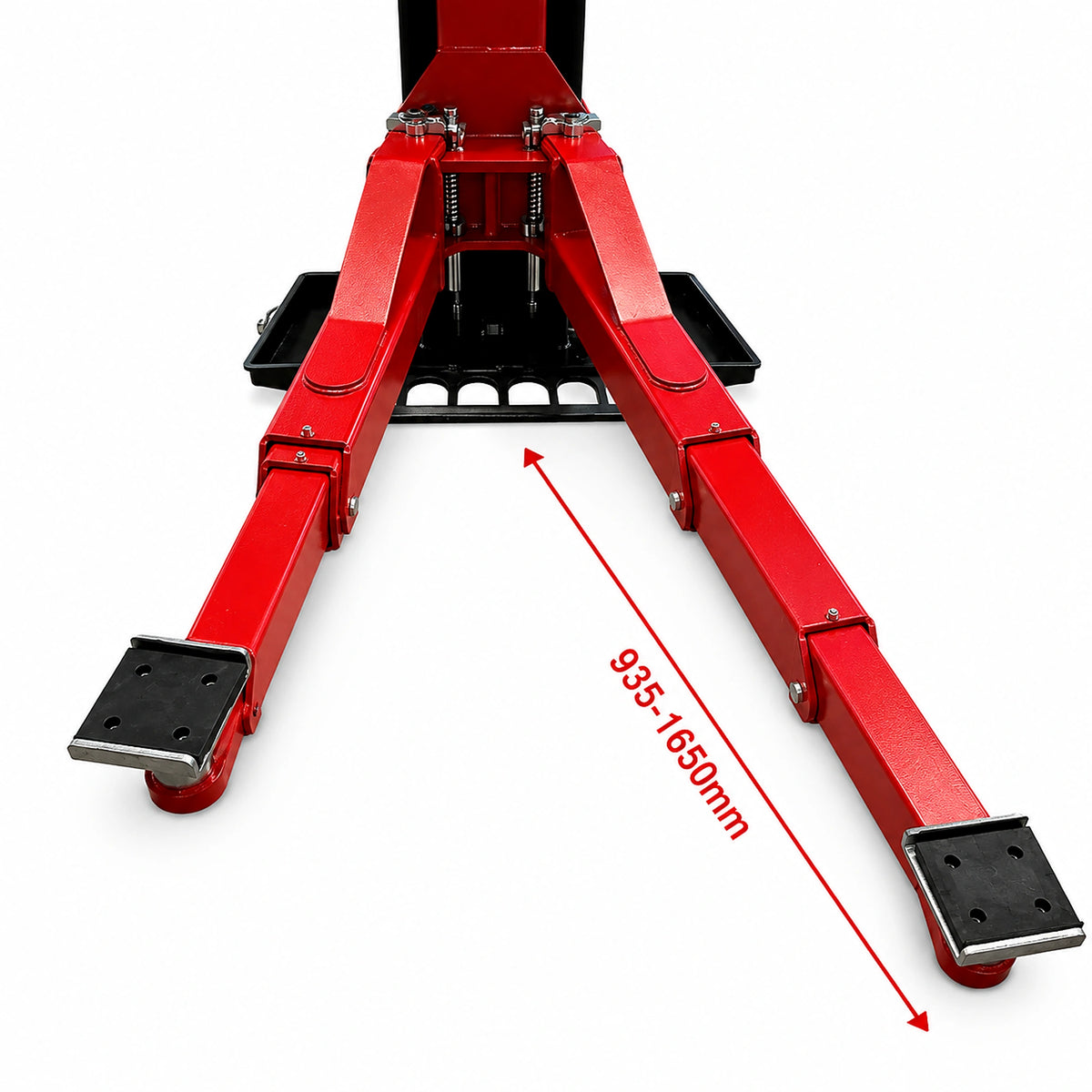
Symmetric (KT-H100, KT-H105, KT-M110, KT-M120, KT-H120D): Arms front and back are twins. Perfect for trucks, SUVs, and that glorious flexibility when you're not sure exactly where the lift points are going to land. Balanced, predictable, versatile.
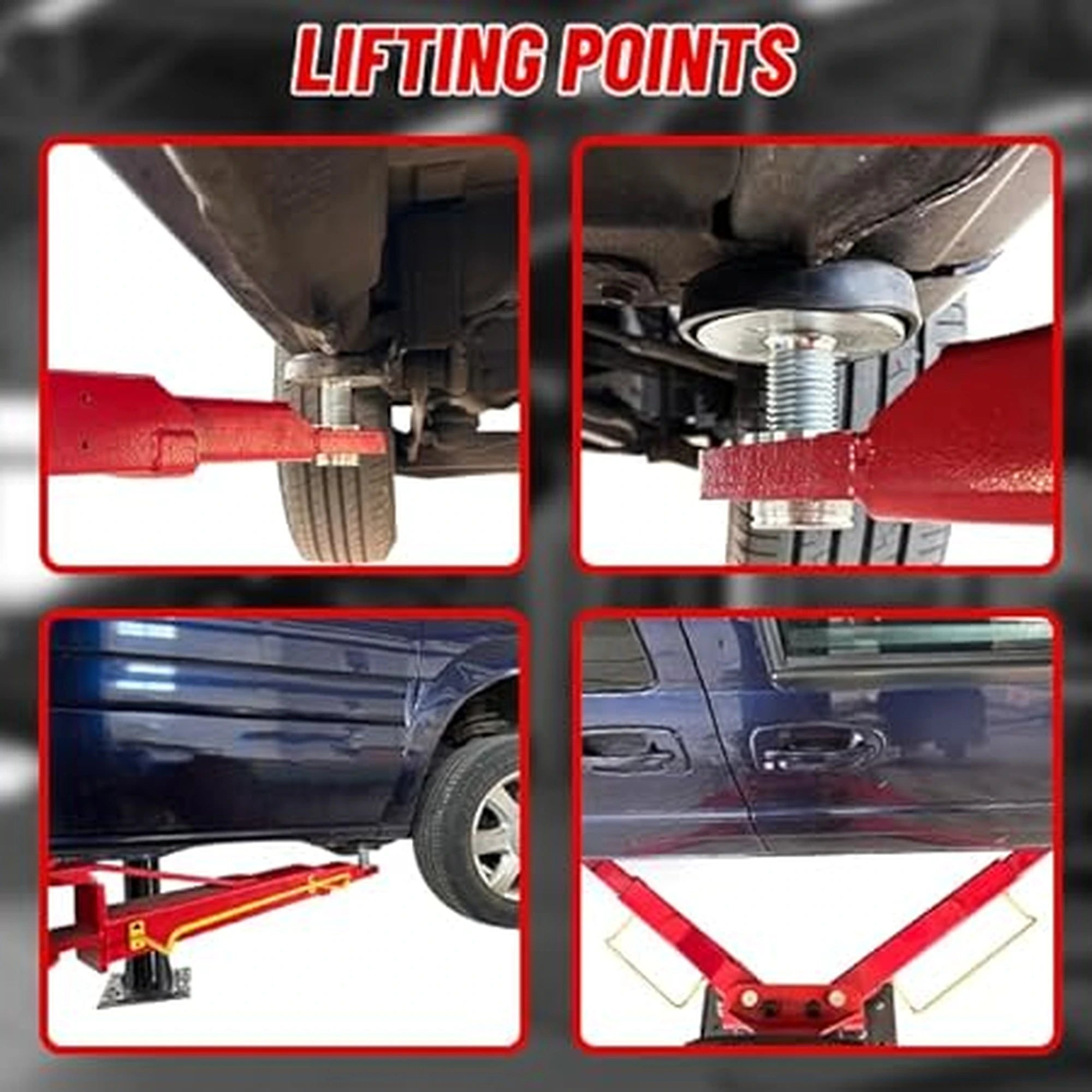
Asymmetric (KT-AS110D, AM120SD, H115Z): Front arms are shorter, usually 30/70 split. Why? Door clearance. Work on sedans and coupes all day? Being able to actually open doors without performing gymnastics is worth its weight in saved chiropractor bills. Just learn where your lift points are because asymmetric doesn't forgive sloppy placement.
Can't decide? Symmetric is safer. Work mostly on cars? Asymmetric will spoil you. Mixed bag? Flip a coin: both work, just differently.
What Shows Up in the Crate
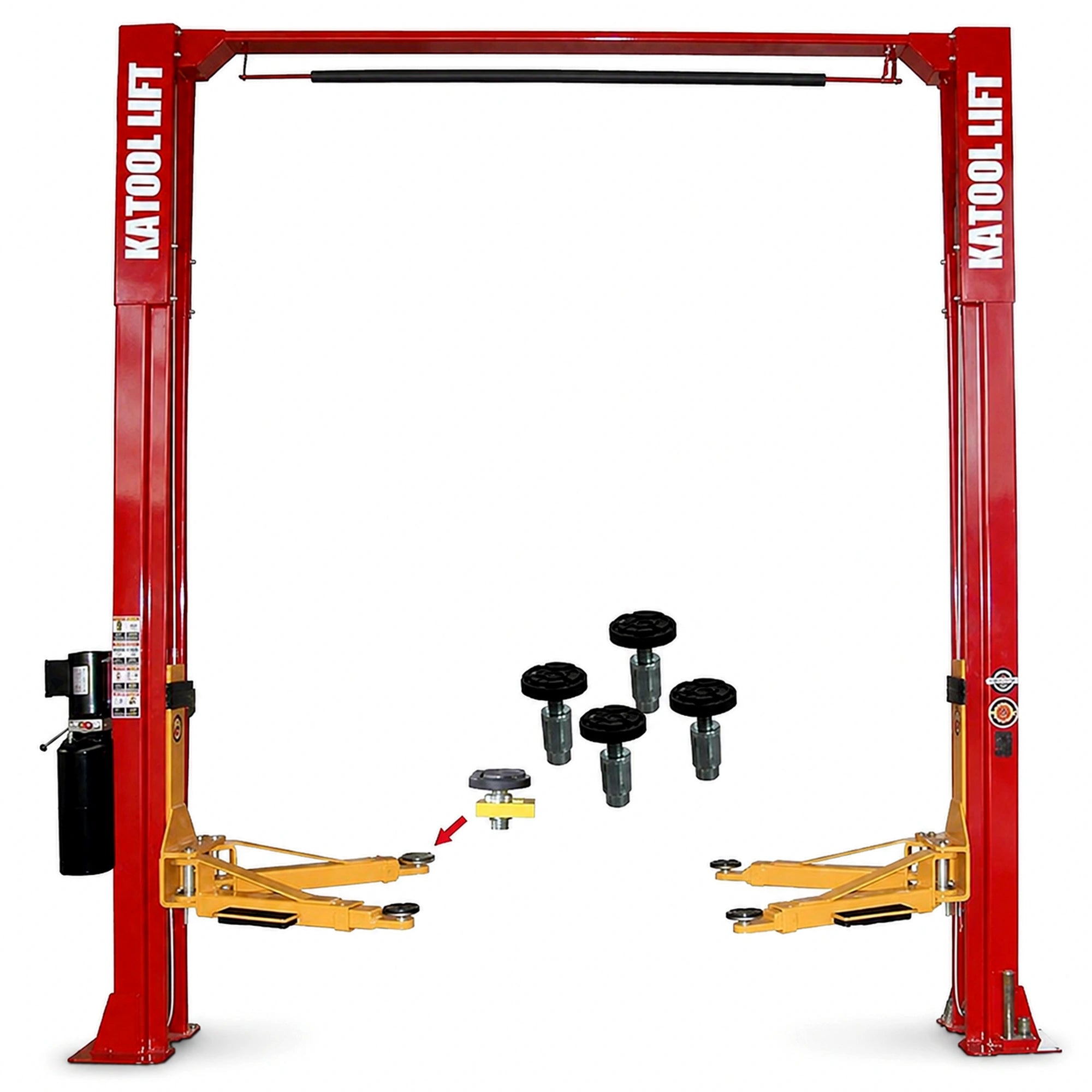
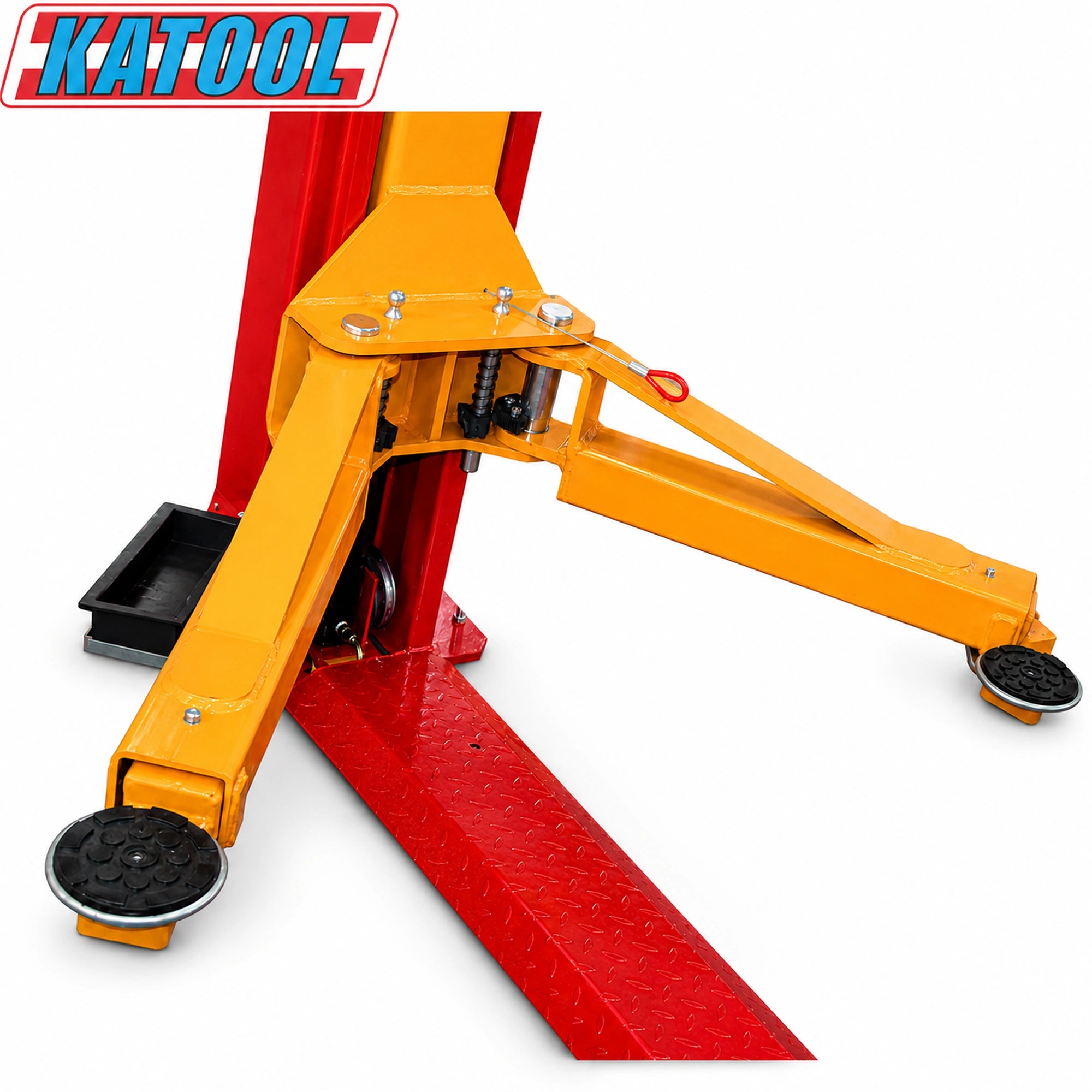
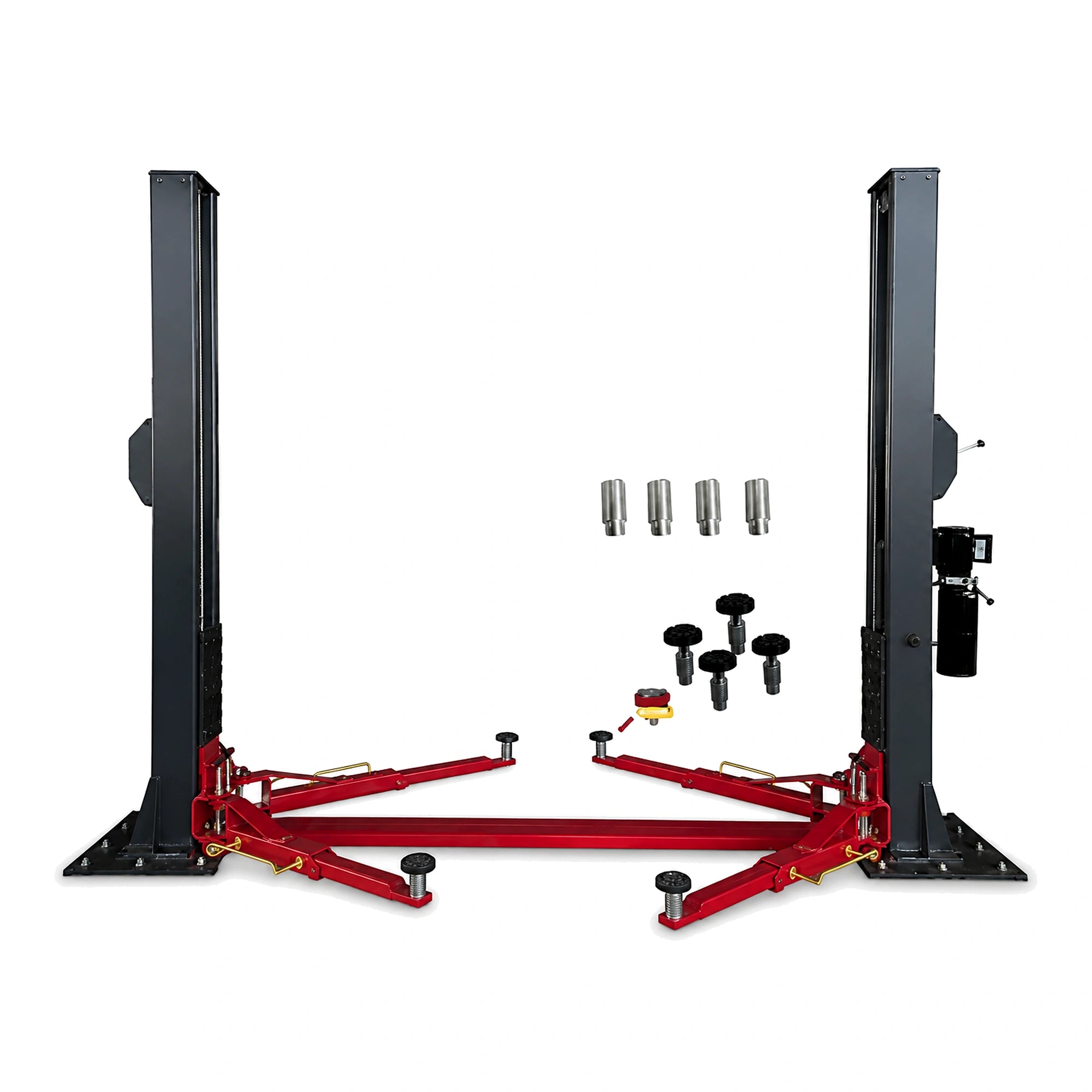
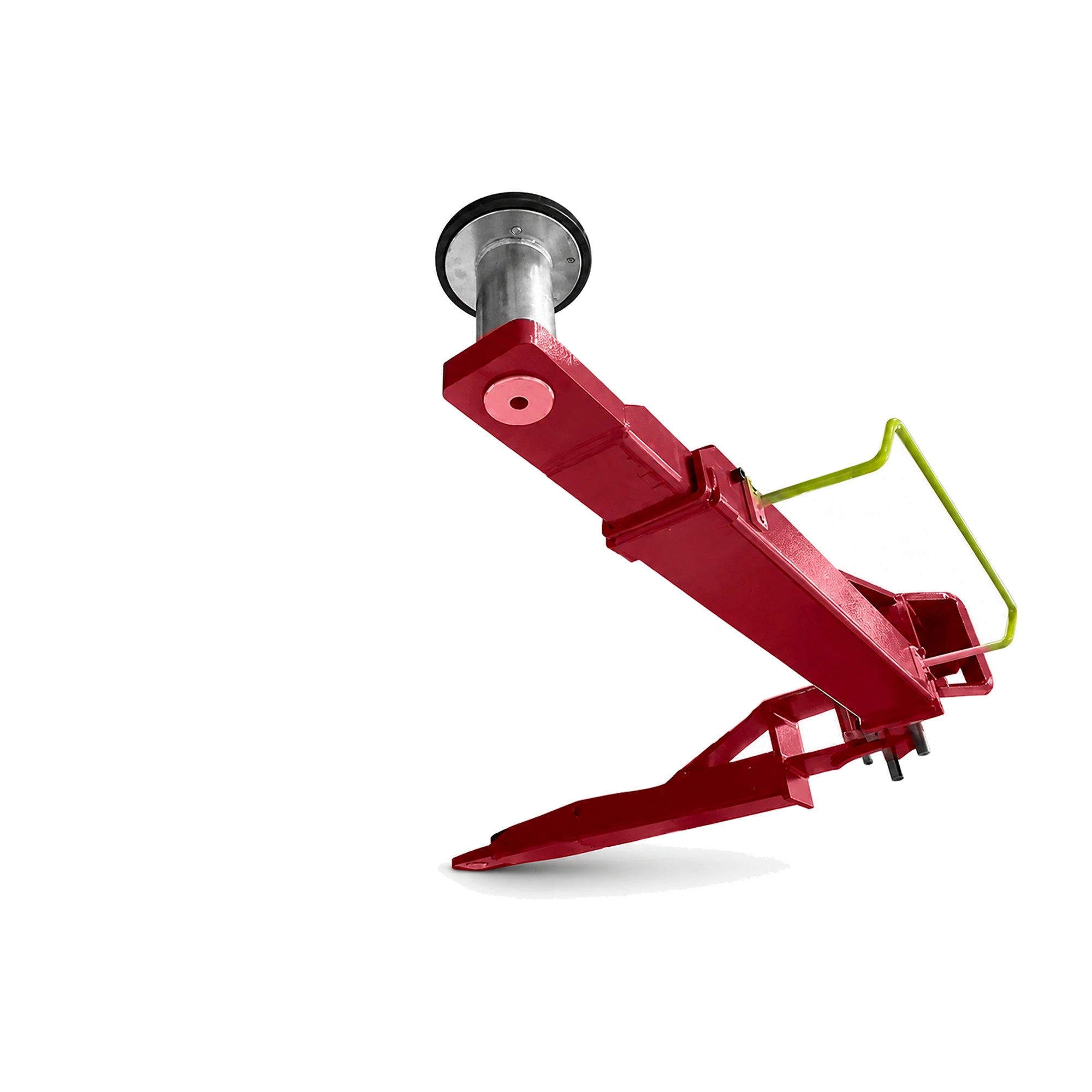
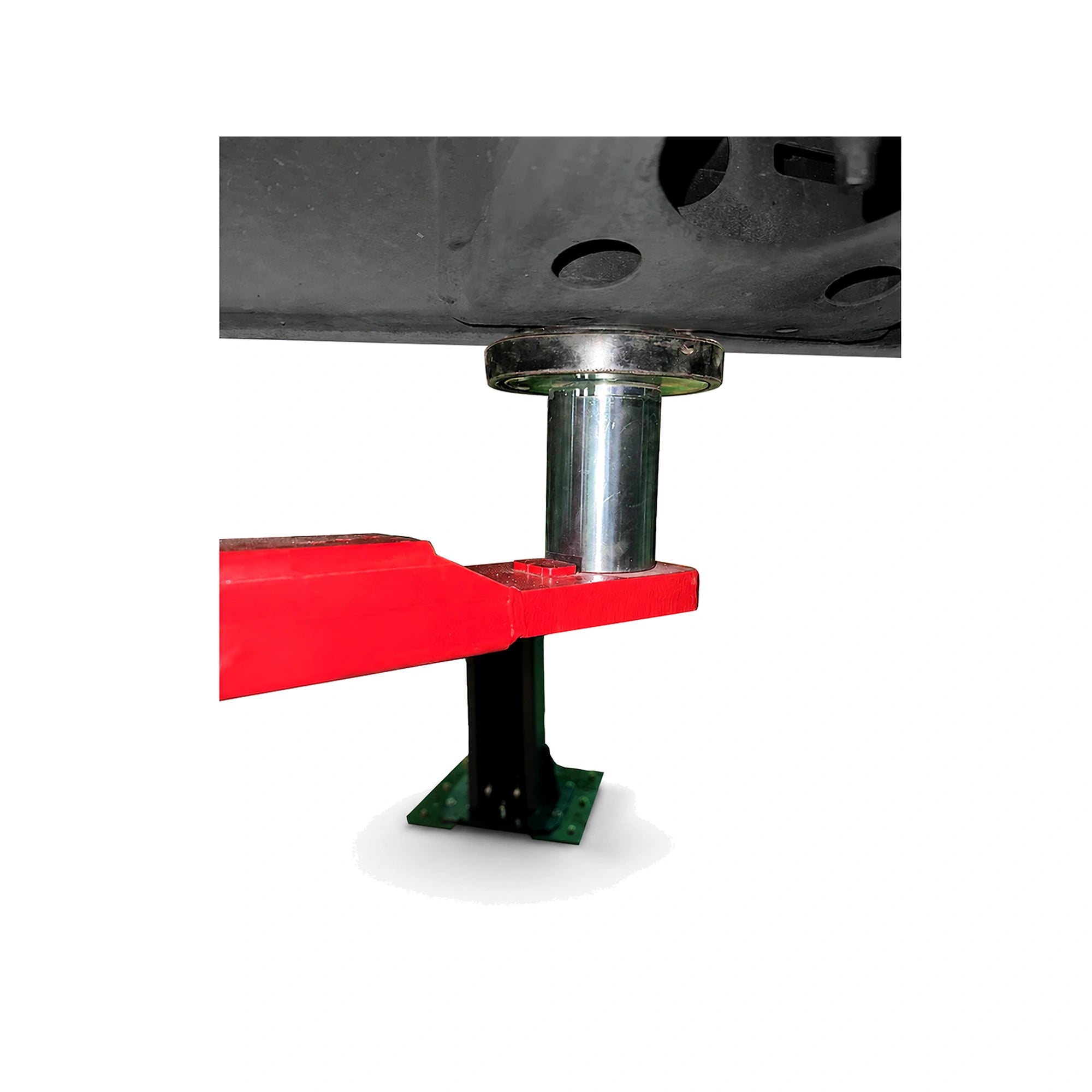
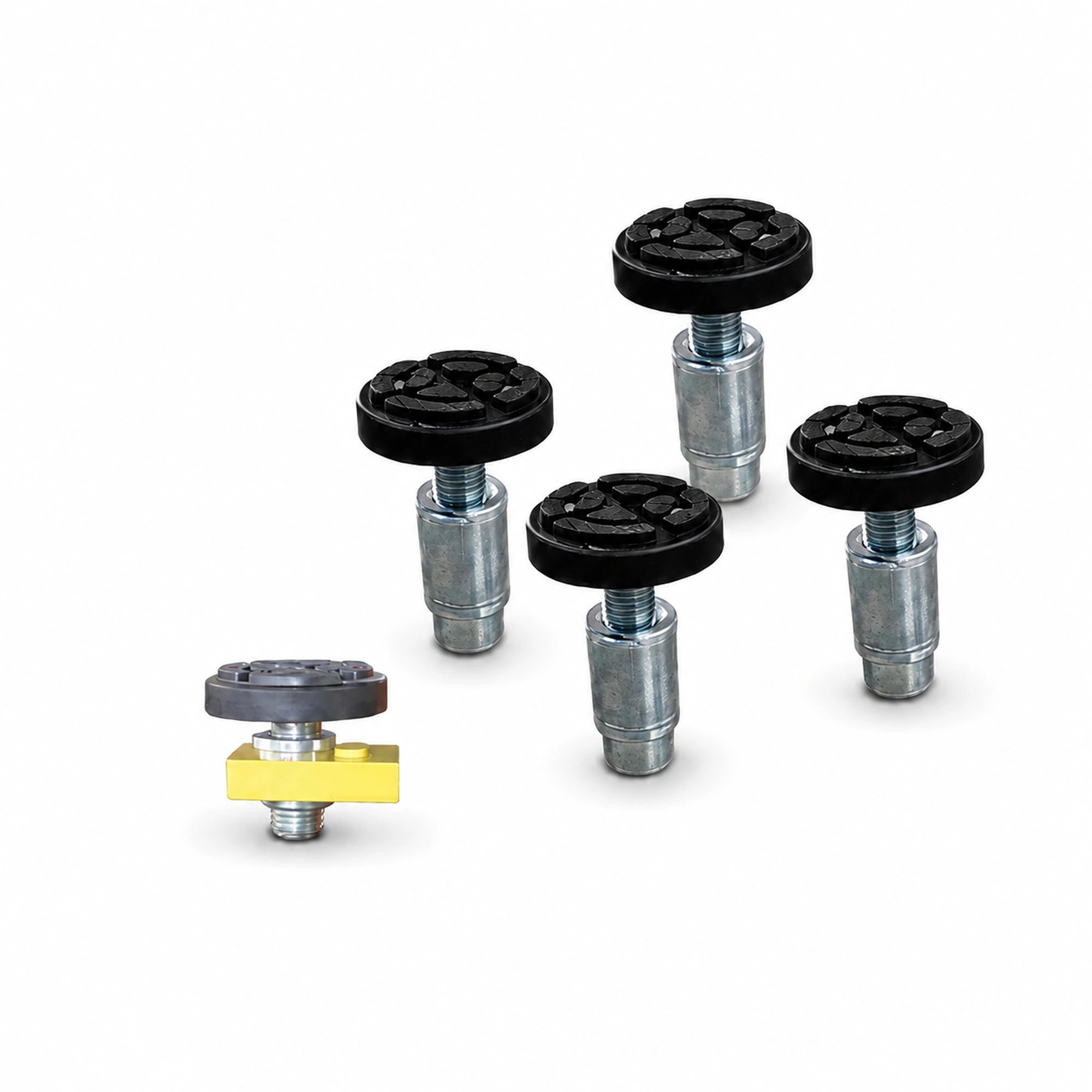
Lift blocks, screw-on pads, extension adapters, overhead safety bar, safety guardrails with a toolbox built in (nice touch), rubber door protectors, every bolt and bracket you need, and a 2.2KW motor that's already attached. What you won't get: shocks and brake line extensions, buy those separately if your installation needs them.
Warranty and the People Behind It
One year on everything that moves, three years on the steel that doesn't. Parts ship from U.S. warehouses, not a slow boat from overseas. Houston tech support fields calls during business hours and actually responds to emails, usually same day, definitely within 24 hours. Novel concept in the equipment world: being treated like a customer instead of an invoice number.
The Freight Reality Check
Your lift arrives on a freight truck. That truck is not unloading for you. The driver has 47 other stops and zero interest in your forklift situation. You need a forklift, a tractor with forks, or a very creative plan involving leverage and prayer (we recommend the forklift).
No forklift? Terminal pickup is an option: drive to the freight terminal with your trailer, they load you, you leave. Or rent a forklift for the day. Or convince a buddy with equipment that beer and pizza constitute fair payment. Just plan ahead because surprise forklift rental at 7 AM gets expensive.
Questions You're About to Ask
Are Katool lifts actually good or just cheap?
They're good AND reasonably priced (different concepts). Same factories as the expensive brands, same CE testing (115% dynamic, 150% static), same quality steel. The price is lower because the markup is lower, not because corners got cut. User reviews back this up consistently: skeptical buyers become repeat customers.
Where are these actually made?
Manufactured by Rainier Engineering, distributed through four U.S. warehouses. You're getting import pricing with domestic support and parts availability. Best of both worlds without the "lost in translation" customer service nightmare.
Symmetric or asymmetric—which one do I actually need?
Symmetric for trucks and versatility. Asymmetric for passenger cars and door access. If you work on a mix, symmetric is the safer bet. If you're 80% cars, asymmetric will make your life easier. There's no wrong answer, just different preferences.
Can I really do this in my home garage?
Absolutely. You need proper concrete (5.9" thick, 3000 PSI minimum, no negotiating), 220V power, and 11-12 feet of ceiling. Models like the KT-H105 and KT-M110 are wildly popular with home users. The 2 post car lift for home garage dream is very achievable if your foundation cooperates.
What if I don't have a forklift?
Terminal pickup (you get it with your trailer), forklift rental, or delivery to somewhere that has a forklift (your buddy's shop, your workplace, that neighbor who inexplicably owns everything). The freight company will call ahead to schedule, so you have time to sort it out.
How tall does my ceiling need to be?
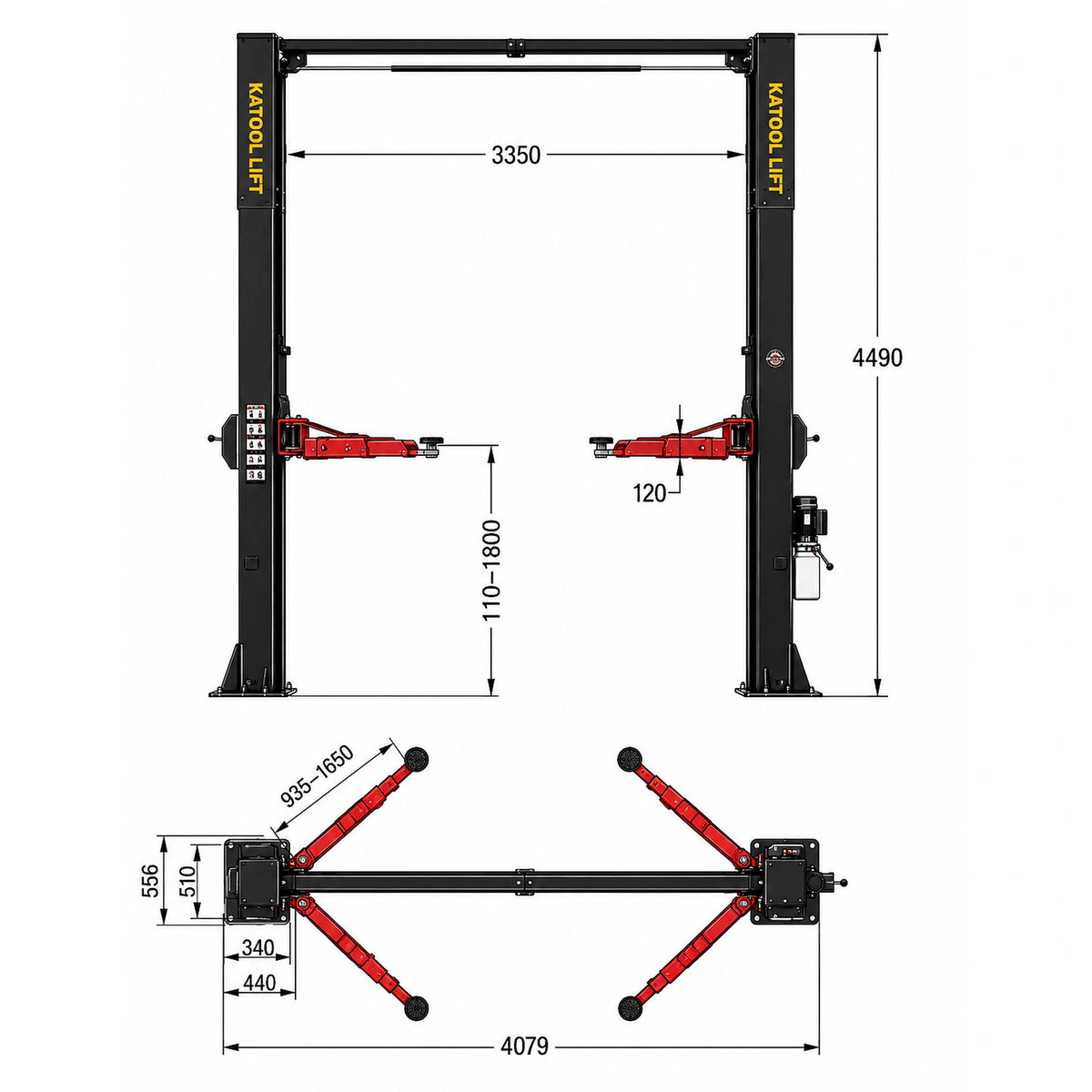
Figure 11-12 feet minimum for most models. The lifts themselves are around 141-143 inches tall. Check your specific model's specs before ordering: nothing kills excitement like discovering your lift is three inches taller than your garage.
Standard residential power or do I need to call an electrician?
220V/60Hz/1Ph—standard two-pole breaker setup. If you've got a dryer or electric range, you've already got 220V in the house. An electrician can run a line to your garage pretty easily. The 2.2KW motors aren't power hogs, they just need proper voltage.
Ready to stop thinking about it and start lifting? Browse the full lineup below. From 10,000 lb home garage heroes to 12,000 lb commercial workhorses, there's a Katool 2 post lift that matches your needs and budget. Compare specs, check what's in stock, and upgrade from jack stands to the tool that changes everything. Because life's too short to work on your back.
Katool KT-H115Z – Two-Post Lift (11,000 lb, Floorplate)
Katool AM120SD – Two-Post Lift (12,000 lb, Clearfloor)
Katool KT-M110 – Two-Post Lift (11,000 lb, Symmetric)
Katool KT-H105 – Two-Post Lift (10,000 lb, Floorplate)
Katool KT-H100 – Two-Post Lift (10,000 lb, Floorplate)
Katool AS110D – Two-Post Lift (11,000 lb, Asymmetric)
Katool KT-M120 – Two-Post Lift (12,000 lb, Clearfloor)
Katool KT-H120D – Two-Post Lift (12,000 lb, Floorplate)