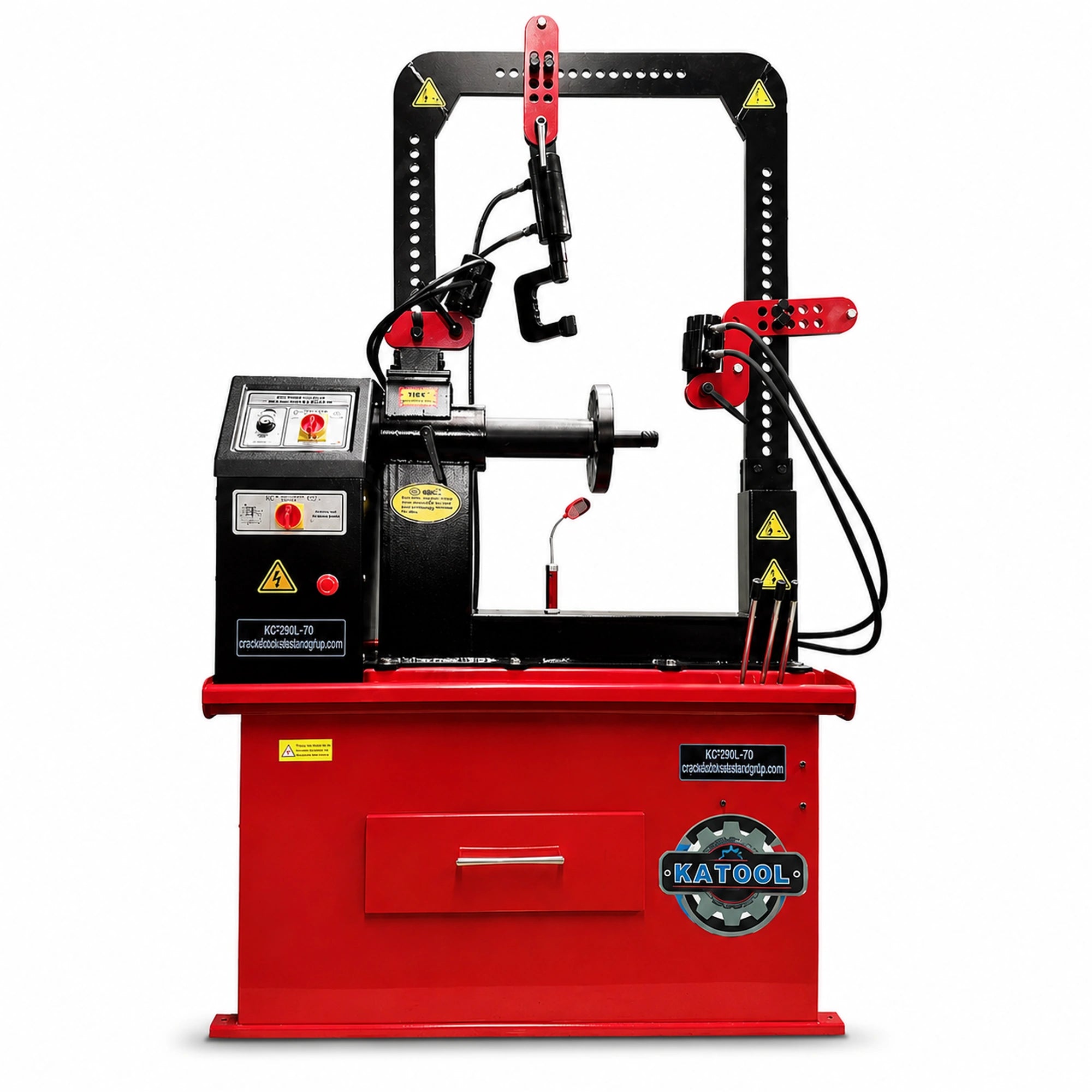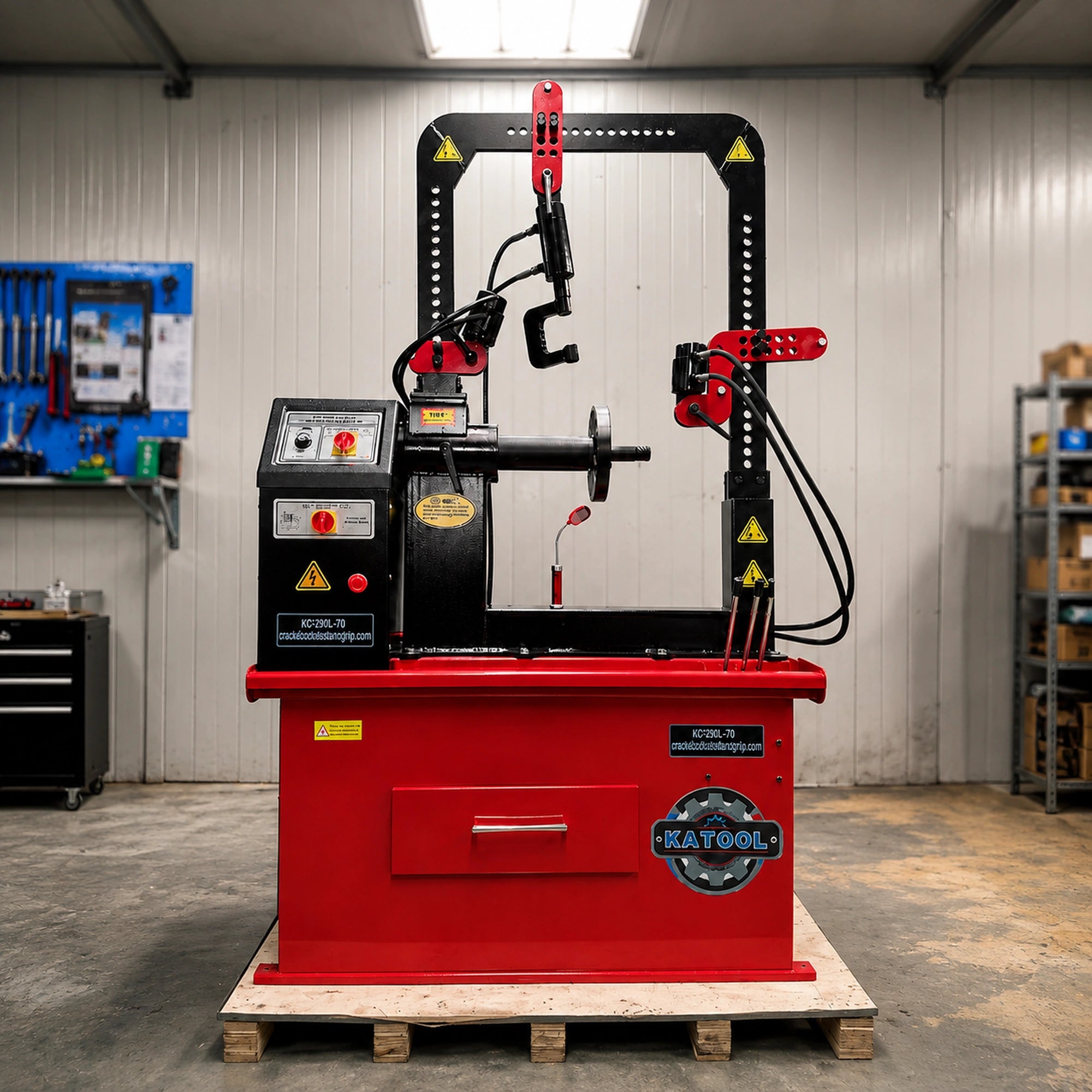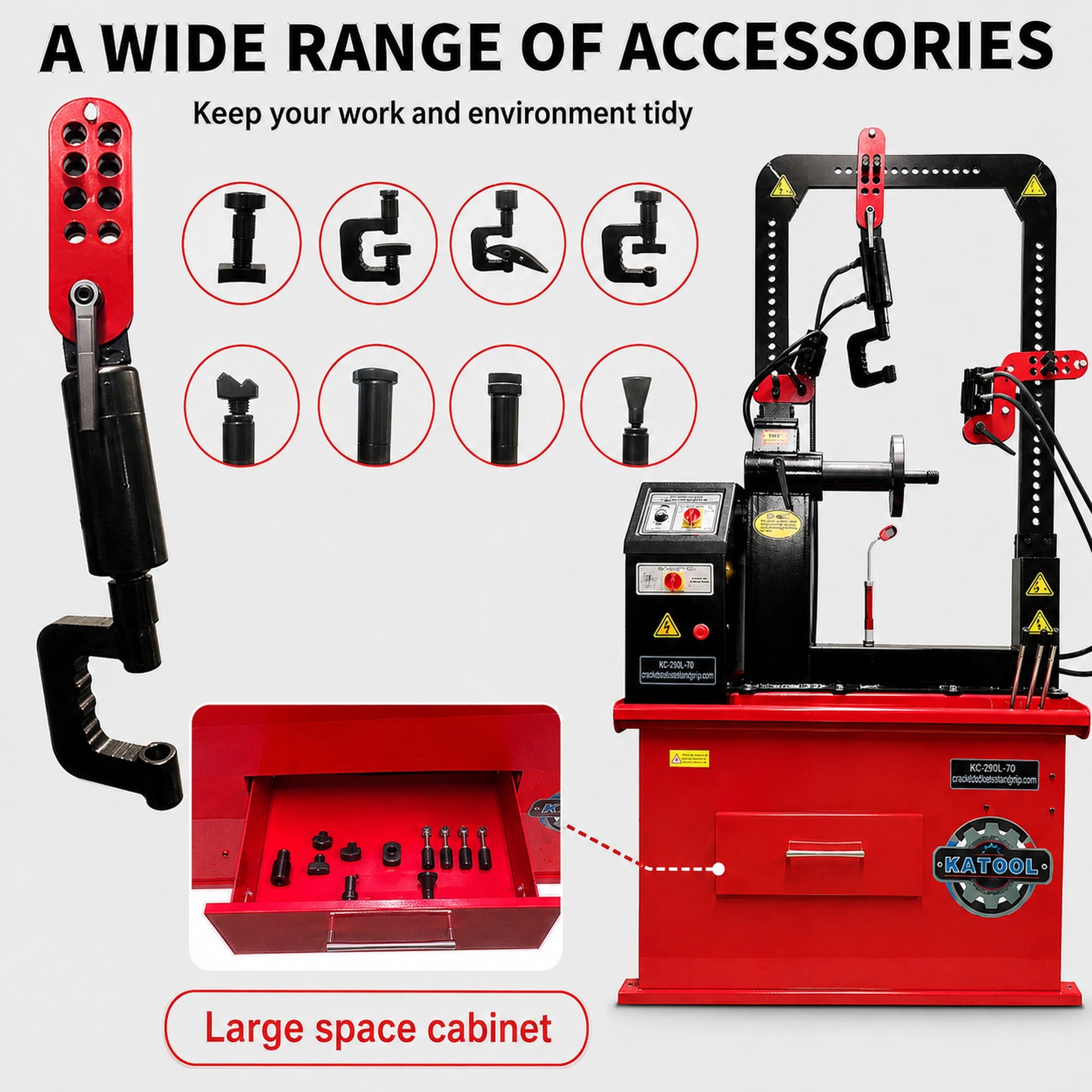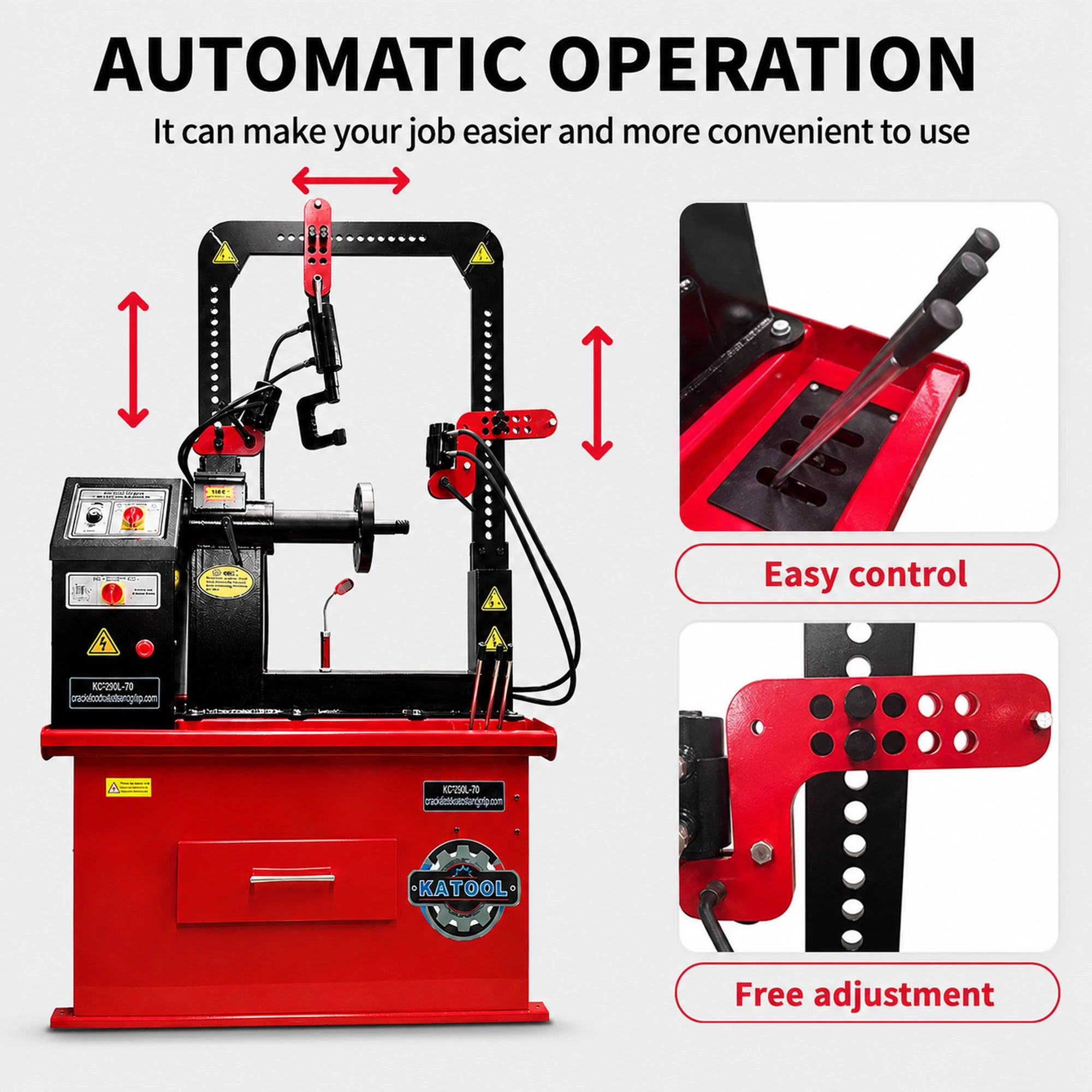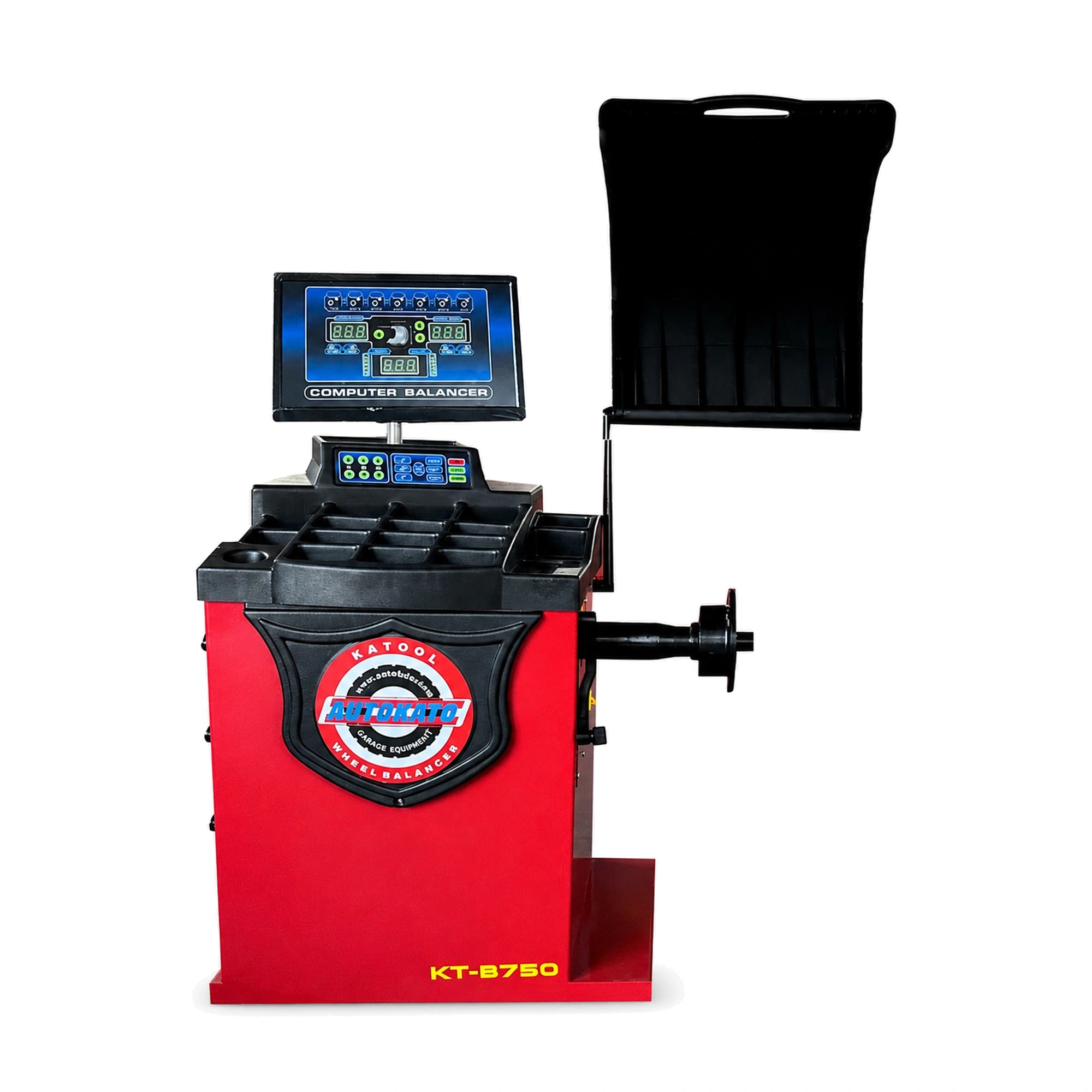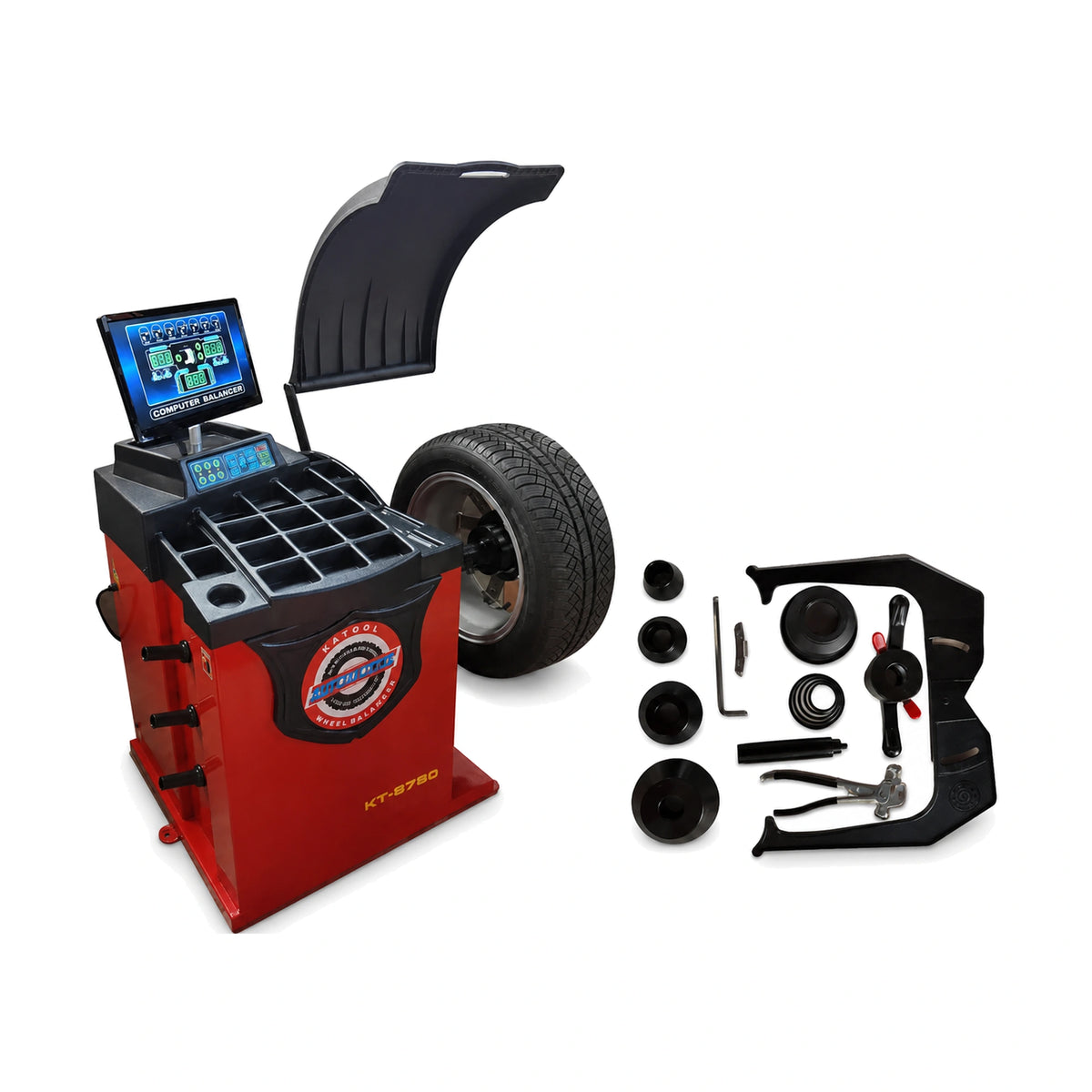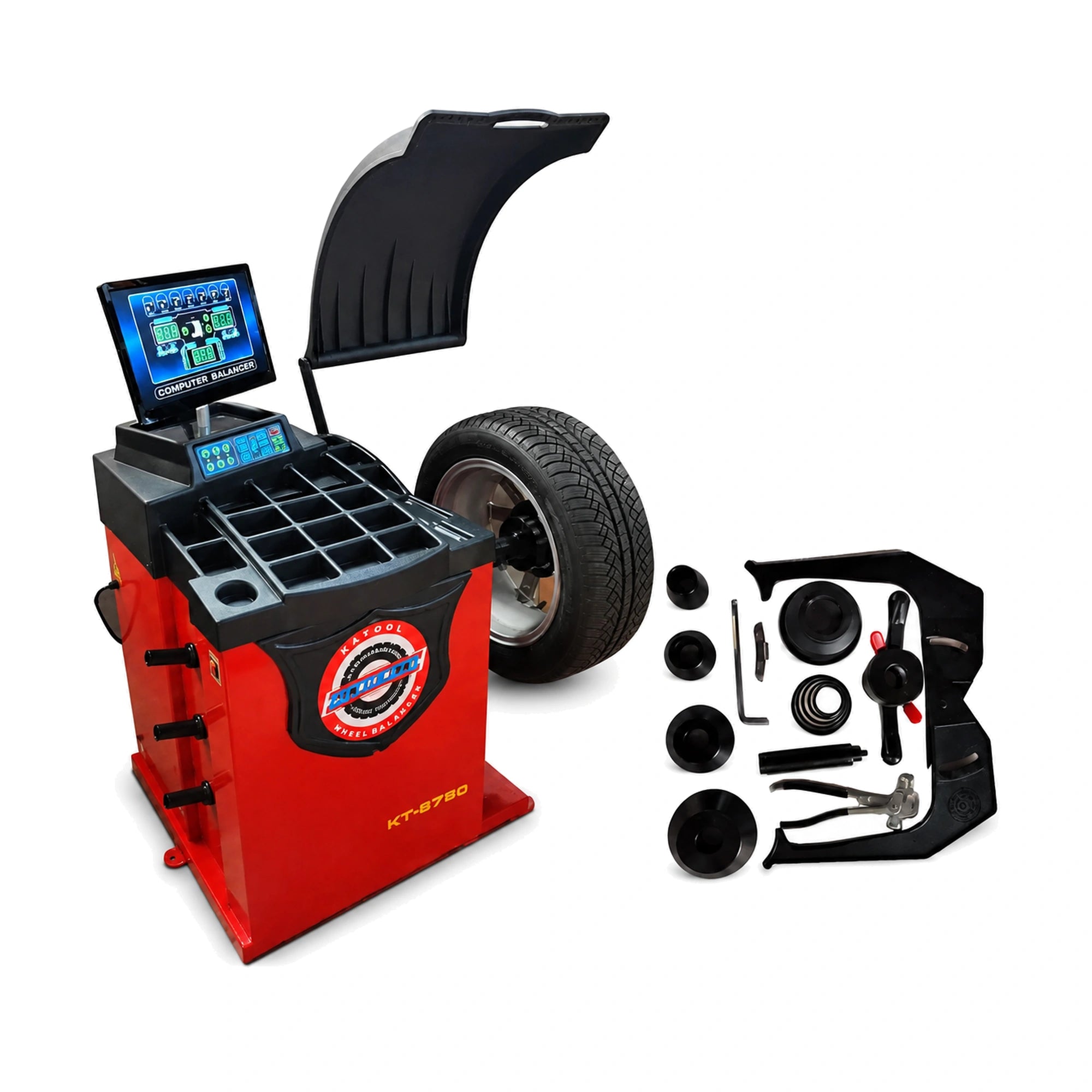
Katool Wheel Balancers
Here's the reality of wheel balancer machines: cheap ones give you numbers, good ones give you accurate numbers. The difference shows up in customer callbacks, steering wheel shimmy at highway speeds, and your reputation. Katool balancers use quality sensors, proper calibration systems, and displays that tell you exactly where to place weights. No guessing, no re-spins, no "close enough."
Katool entered the U.S. market in 2019 with equipment that shares production lines with brands charging significantly more. Same sensors, same motors, same engineering. The price difference comes from distribution efficiency, not cut corners. You're paying for a wheel balancer, not a logo.
Katool Wheel Balancers For Sale
Every Katool tire balancer is built on the same foundation: accurate measurement, reliable components, and interfaces that don't require an engineering degree. The lineup scales from entry-level to high-volume commercial:
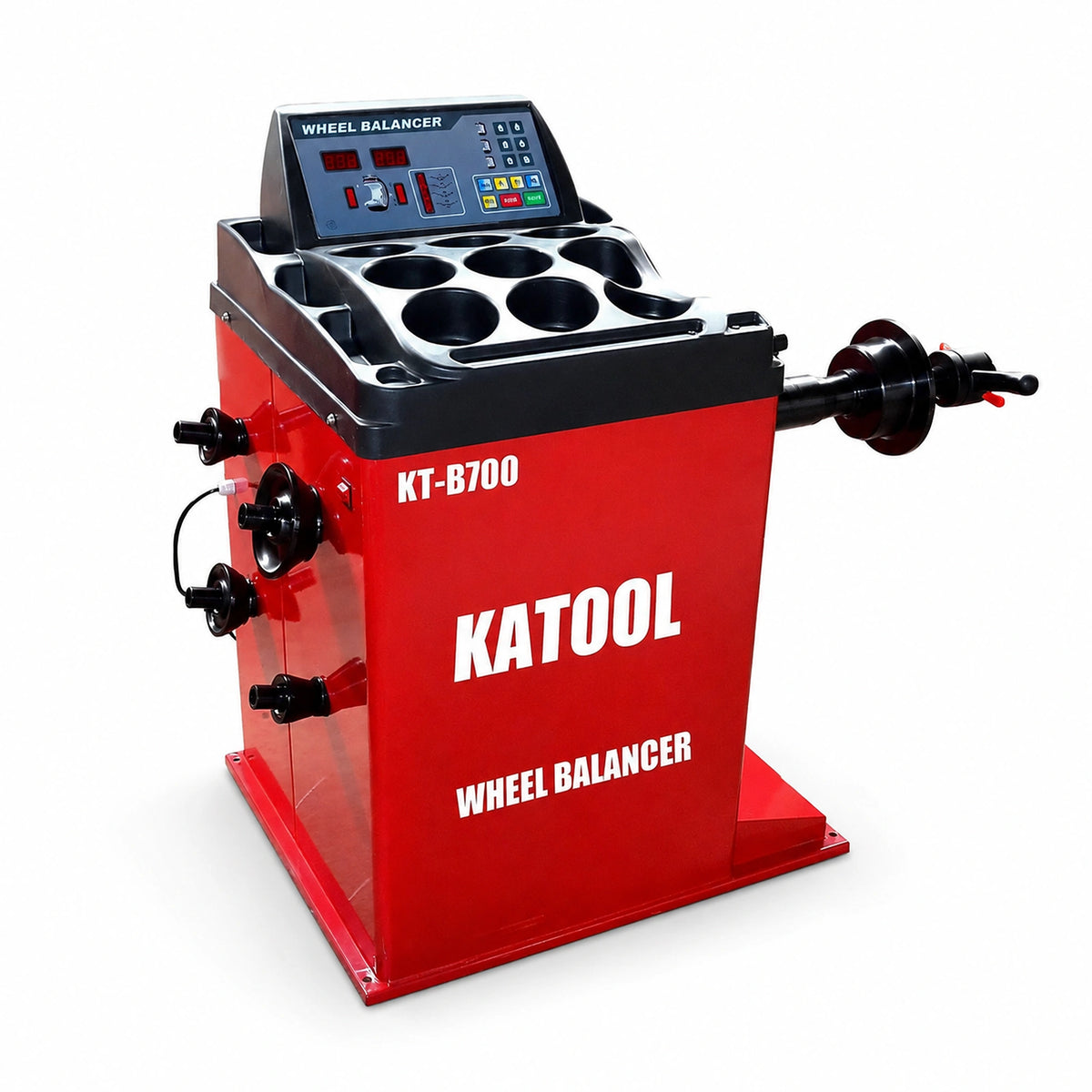
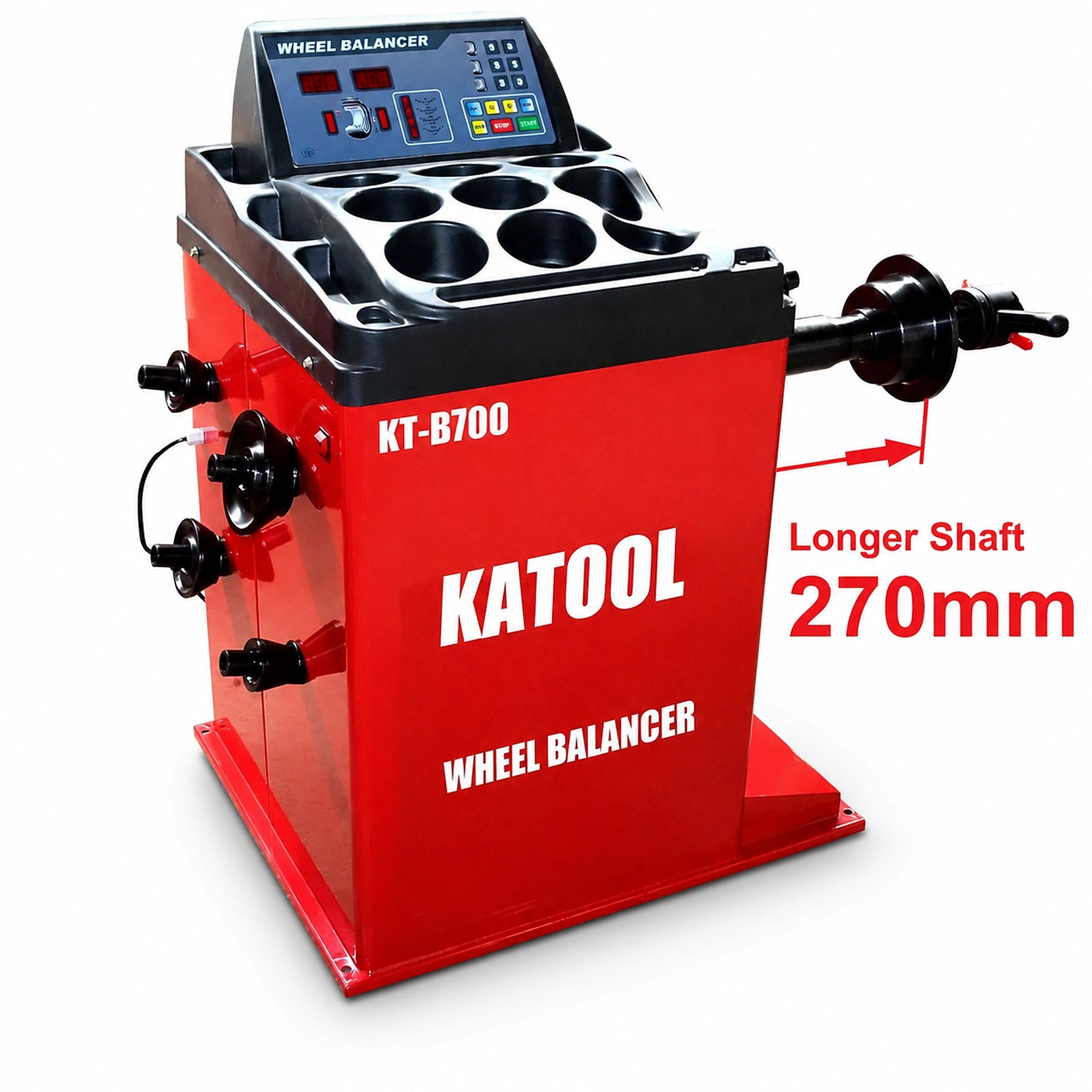
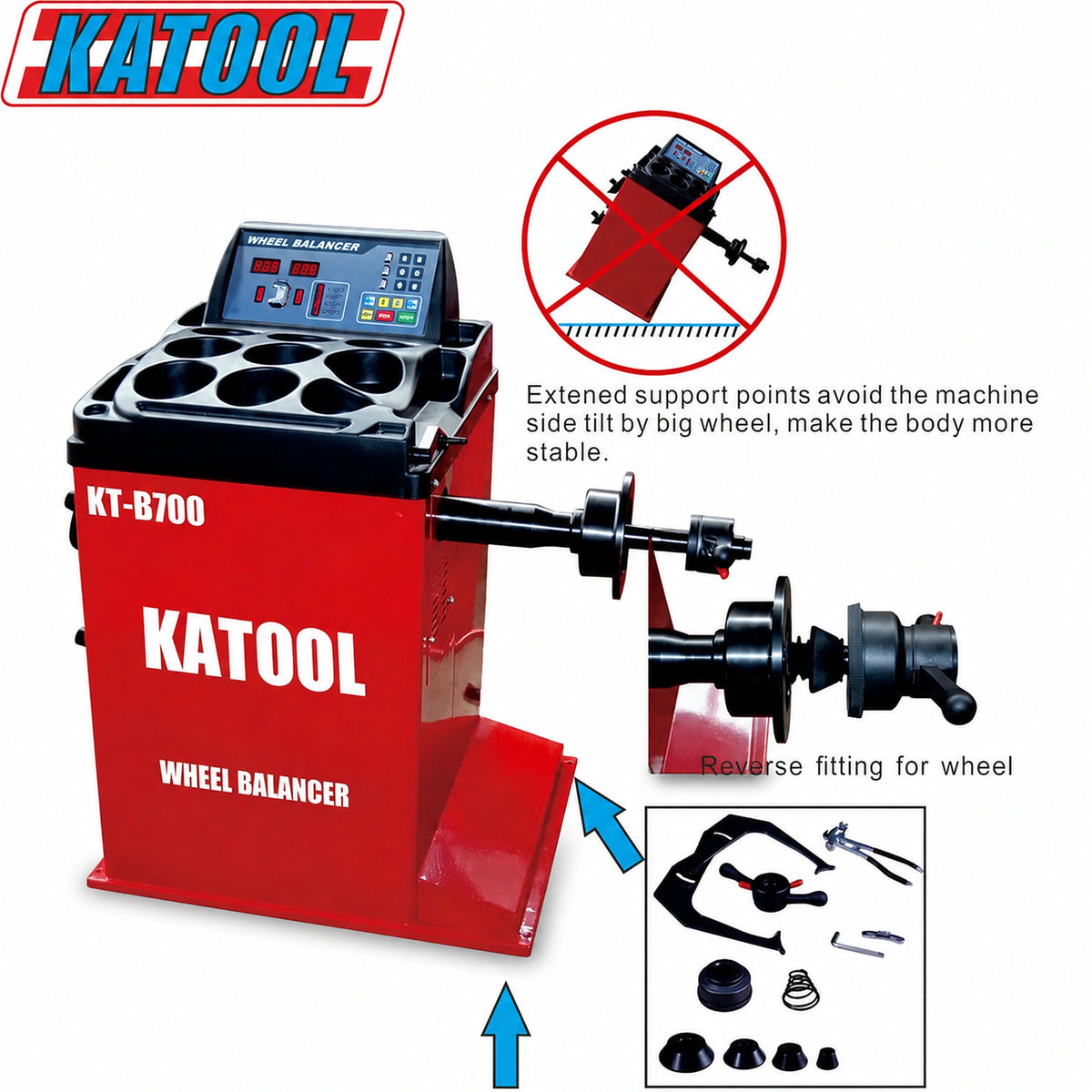
- KT-B700: Entry-level wheel balancer for sale at the best price point. Automatic data entry, digital display, static and dynamic balancing modes. Handles standard wheels up to 24" without fuss. Solid choice for shops and home users.
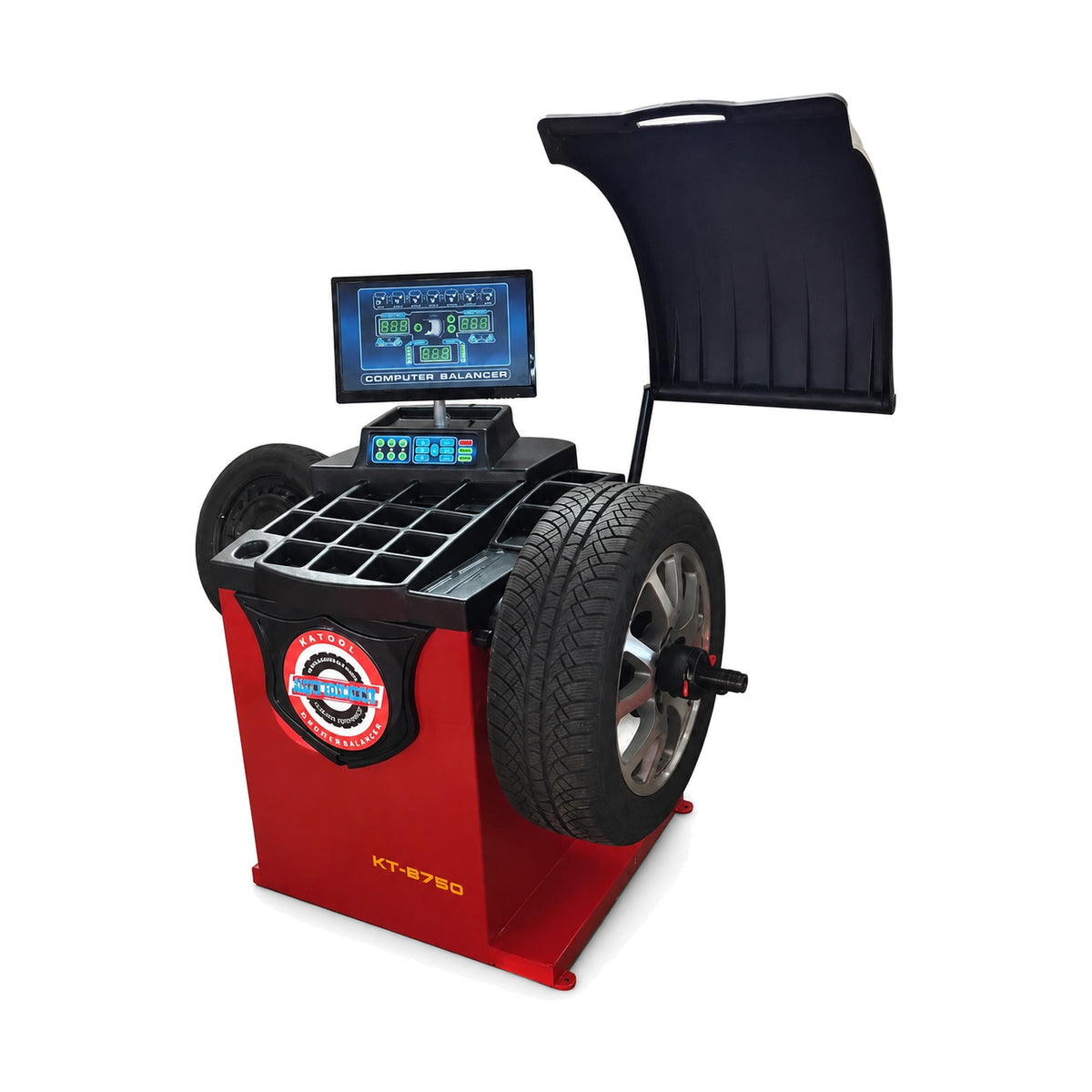
- KT-B750: Mid-range workhorse. Faster spin-up and measurement, expanded wheel range, and ALU modes for alloy wheels. The sweet spot for most independent shops.
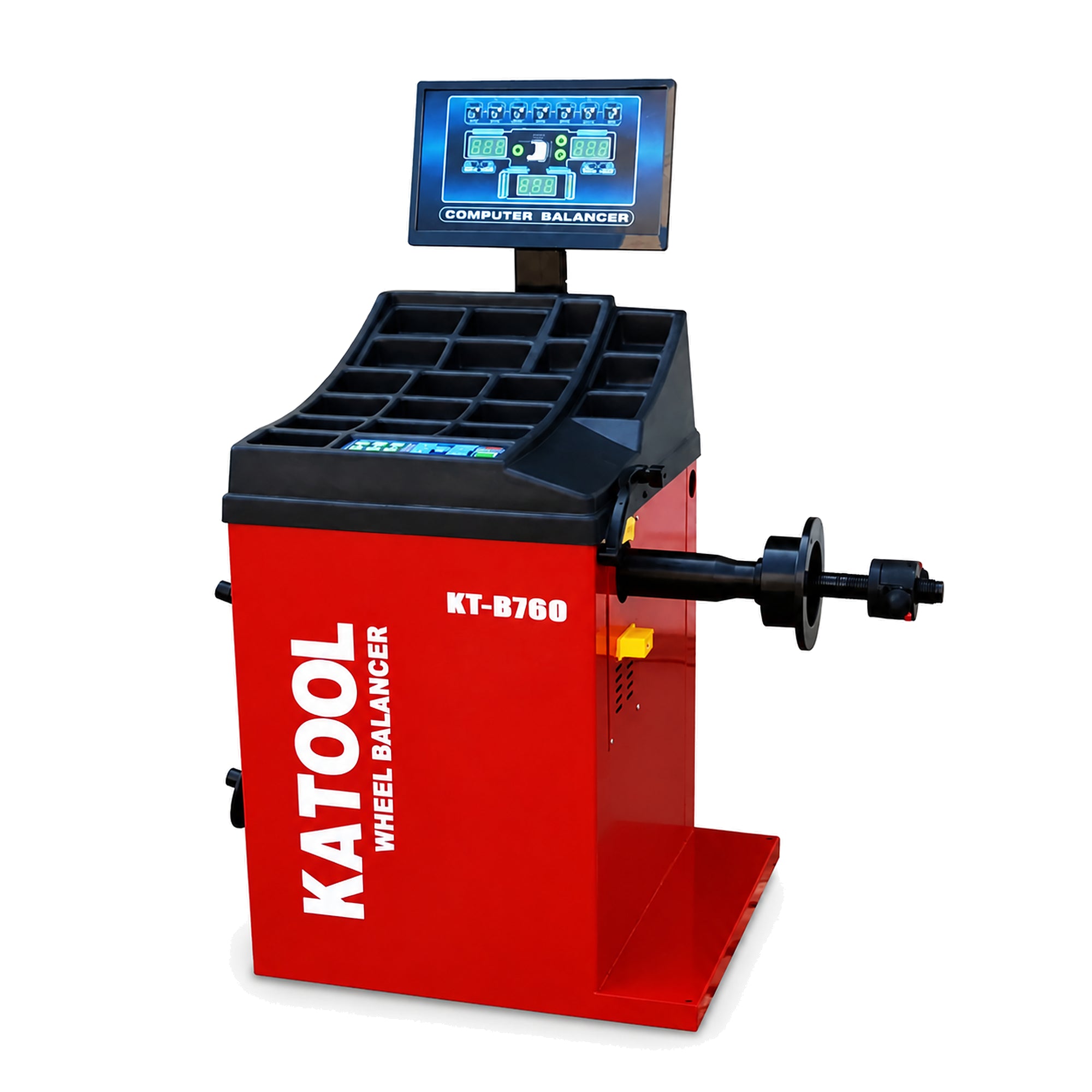
- KT-B760: Best seller for a reason. Hidden weight positioning for clean aesthetics on nice wheels, quick measurement cycles, and the accuracy to handle performance fitments. Built for shops doing volume.
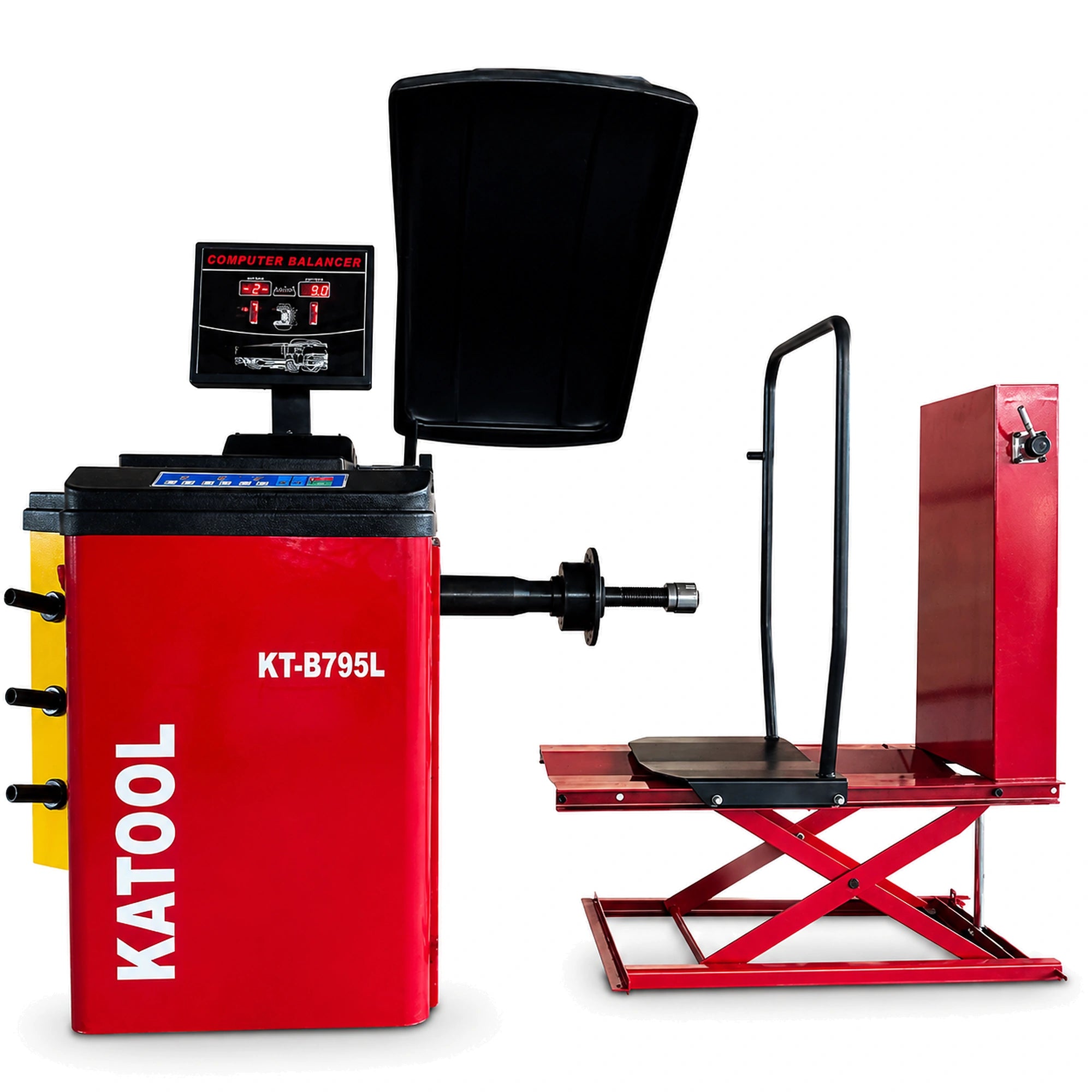
- KT-B795L: Heavy-duty truck wheel balancer for commercial and fleet applications. Extended capacity, reinforced spindle, and the torque to spin larger assemblies without strain.
What Makes a Wheel Balancer Machine Actually Good
Budget wheel balancer machines have a problem: they measure, but they don't measure accurately. Sensors drift, calibration wanders, and suddenly you're chasing phantom imbalances or missing real ones. That's not a tool. That's a time waster.
Katool wheel balancers are built differently:
- Quality sensors: Accurate measurement that stays accurate over time
- Proper calibration: Simple process that actually holds between services
- Fast spin cycles: Less waiting, more working
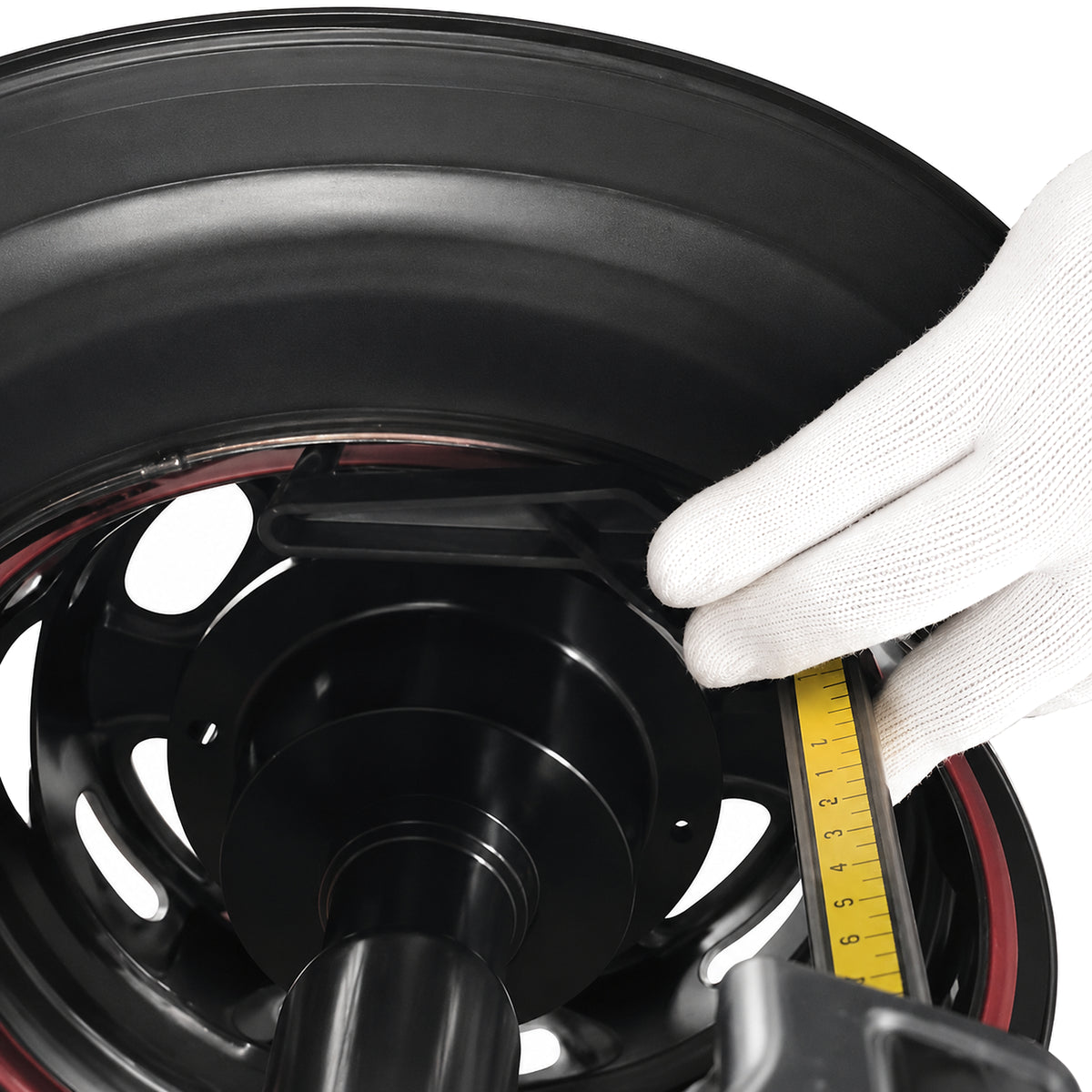
- Clear displays: Weight placement shown in grams and position, no interpretation needed
- Multiple modes: Static, dynamic, and ALU programs for different wheel types
Balancing Modes Explained
Not every wheel needs the same approach. Katool balancers include multiple modes to handle different situations:
Dynamic (Standard): Two-plane balancing for most wheels. Places weights on both inner and outer edges to eliminate vibration at all speeds. This is your default mode for 90% of work.
Static: Single-plane balancing for narrow wheels or specific applications. Less common, but useful when you need it.
ALU (Alloy): Programs for alloy wheels where you want weights hidden behind spokes or on the inner barrel only. Keeps nice wheels looking nice. The KT-B760 excels here with its hidden weight positioning feature.
Split Weight: Divides the required weight between two positions when you can't place it exactly where the machine indicates. Useful for spoke interference situations.
Installation and Setup
A wheel balancer is one of the easier shop machines to install:
- Power: 110V standard household current for most models. Some larger units use 220V. Check specs before ordering.
- Space: About 3' x 3' footprint plus room to maneuver wheels onto the spindle.
- Level surface: Important for accurate readings. Use the built-in bubble level during setup.
- Calibration: Required during initial setup. Takes about 15 minutes with the included calibration weight. Recheck periodically.
Most users have their tire balancer operational within an hour of unboxing. Katool includes clear manuals and their Houston support team is available if you hit questions.
Who Needs a Wheel Balancer
Tire shops: Obviously. A tire machine balancer is half of your core equipment. Accurate balancing means happy customers and no comebacks.
General repair shops: Adding tire service to your offerings? You need a balancer to complete the job properly. Don't mount tires you can't balance.
Dealerships: Service departments handling tire rotations, seasonal swaps, and new tire installs need reliable balancing equipment.
Performance shops: High-speed applications demand perfect balance. Katool balancers deliver the accuracy performance work requires.
Home garages: If you're doing your own tire work, a balancer completes the setup. Mounting tires without balancing them is only half the job.
Katool Wheel Balancer Reviews: What Users Report
The common question: "Is a Katool balancer actually accurate?" Here's what users consistently report:
- Accuracy matches machines costing twice as much
- Calibration holds well between services
- Display clarity makes weight placement straightforward
- Build quality exceeds expectations at the price point
- The KT-B760's hidden weight feature gets specific praise from shops working on high-end wheels
Are Katool wheel balancers perfect? No machine is. But for the price, the accuracy and reliability are genuinely impressive. We hear from shops that started skeptical and ended up recommending them to others.
What's Included
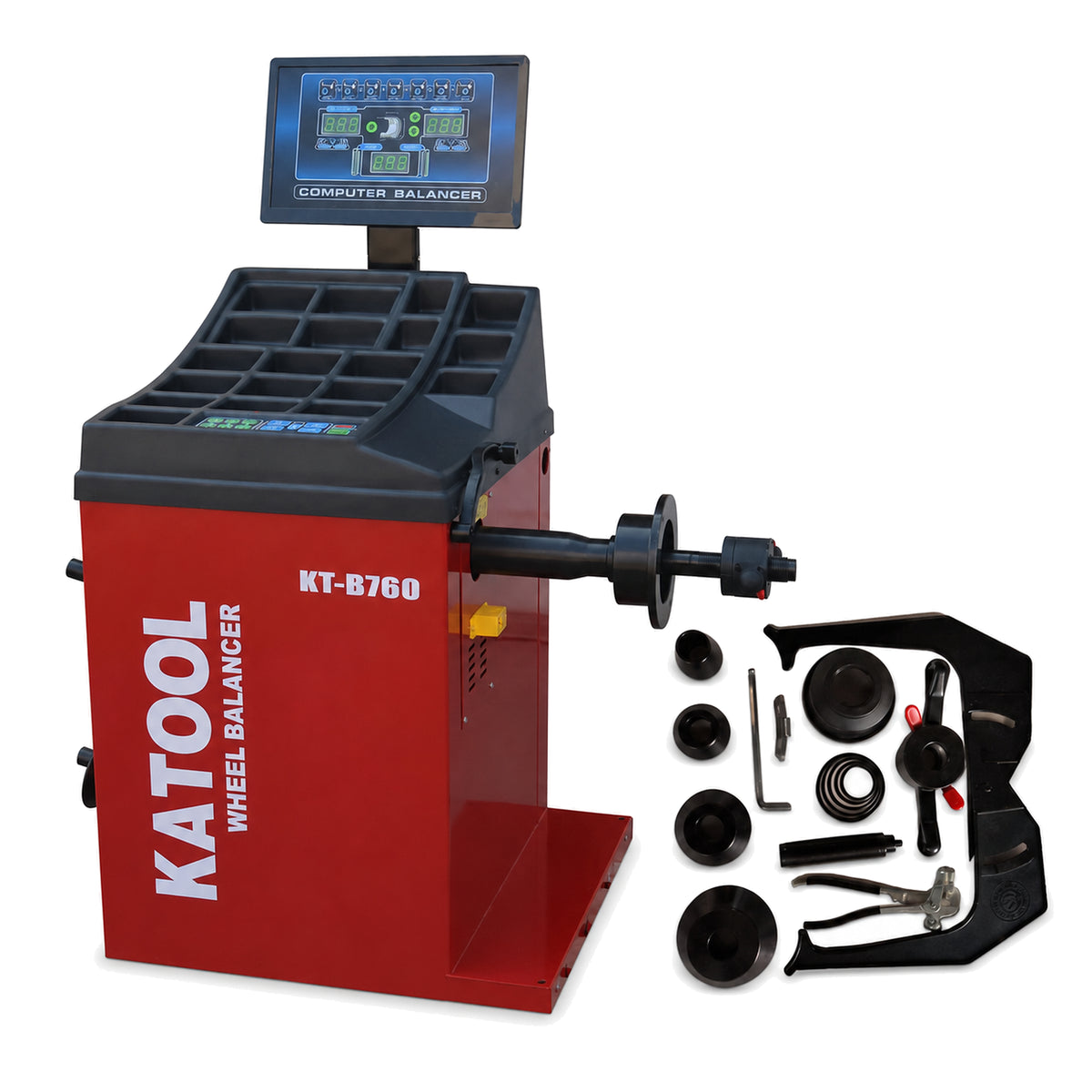
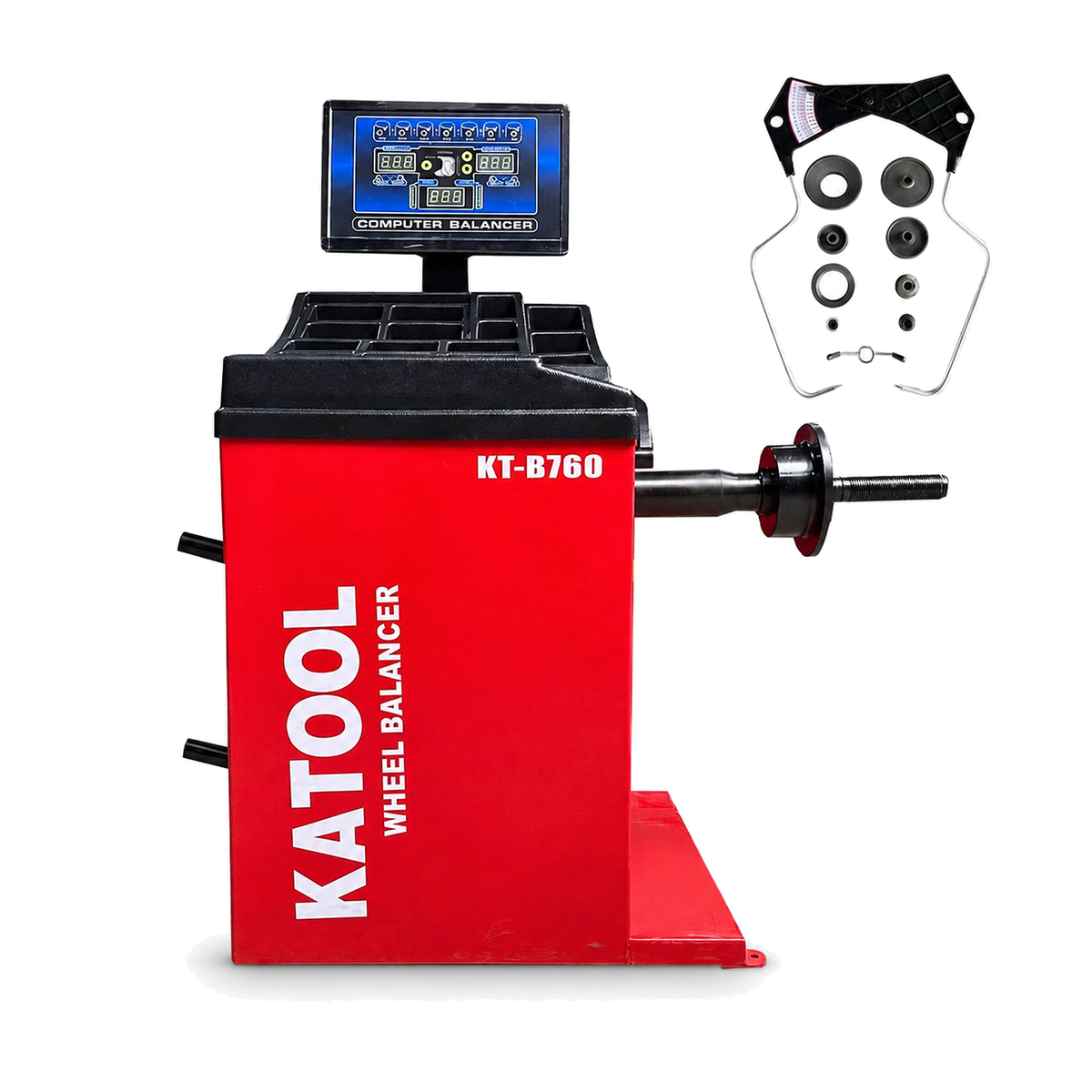
Every Katool wheel balancer ships with:
- Complete balancer unit
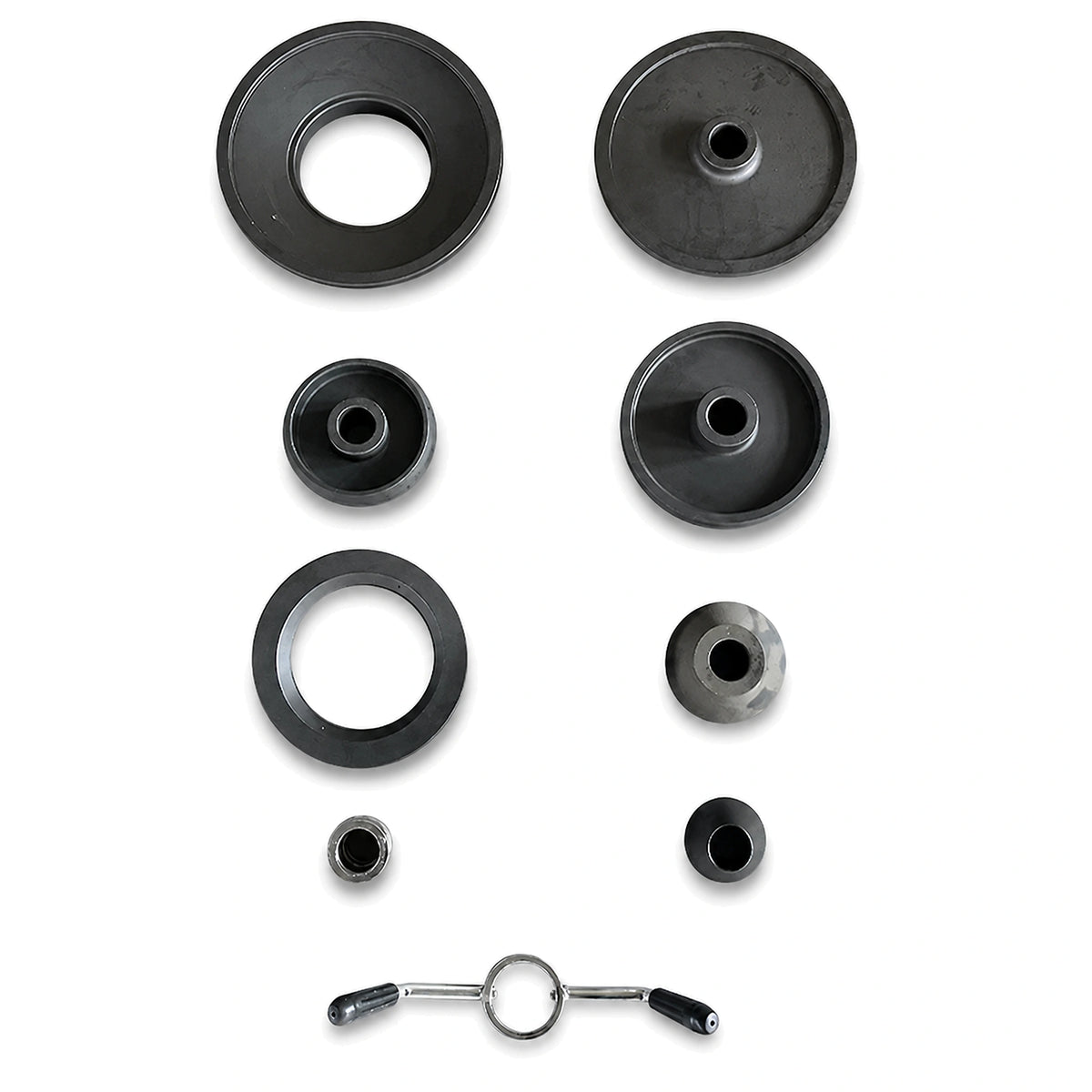
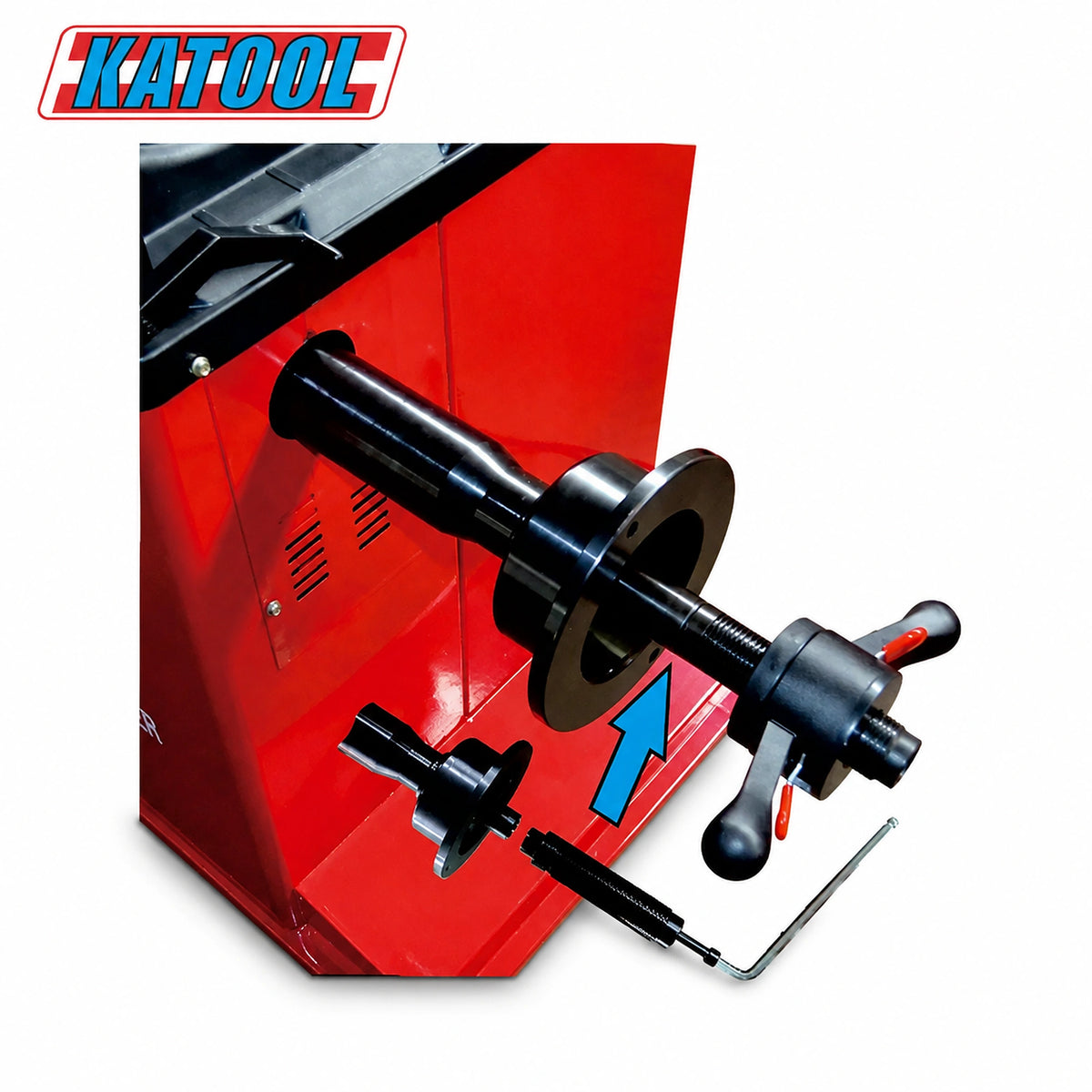
- Cone set for different center bore sizes
- Spacer rings
- Calibration weight
- Weight pliers
- Wheel cover and spindle protector
- Operating manual
You'll need to supply wheel weights (clip-on and adhesive). Some shops also add a wheel lift to reduce fatigue when handling heavy assemblies all day.
Warranty and Support
One year warranty on all components. Parts ship from U.S. warehouses, not overseas. Katool's Houston-based support team handles calls and emails during business hours. When you need help, you get it quickly. That responsiveness matters when a machine goes down mid-workday.
Shipping
Wheel balancers ship freight on pallets. Weight runs 150-250 lbs depending on model. Delivery gets to your location, but unloading is your responsibility. A pallet jack handles it easily. Much more manageable than tire changers or lifts.
Common Questions About Tire Balancers
How accurate are these really?
Accurate enough that shops use them daily without callbacks. We're talking 1 gram resolution on most models. That's more precision than most applications require.
How often do I need to calibrate?
Initial calibration during setup, then periodically (monthly for high-volume shops, quarterly for lower use). The process takes 15 minutes. Do it when readings seem off or after moving the machine.
Can this handle truck wheels?
The KT-B795L is specifically designed for truck and commercial wheels. Standard models handle most light truck and SUV wheels without issue. Check the weight and diameter specs for your specific needs.
Do I need the hidden weight feature?
Depends on your customers. Working on base-model economy cars? Probably not. Working on alloys, customs, or anything where appearance matters? The KT-B760's hidden weight mode is worth it.
110V or 220V?
Most Katool balancers run on standard 110V household current. Some commercial models use 220V. Check the specs on your specific model.
What weights should I stock?
Both clip-on (for steel wheels) and adhesive (for alloys). Get a variety of sizes. Running out of the common sizes mid-job is frustrating.
Ready to eliminate vibration complaints and complete your tire service setup? Browse the Katool wheel balancers below. Compare features, check what's in stock, and pick the tire machine balancer that matches your volume and wheel types. Questions? We're here to help you choose.