
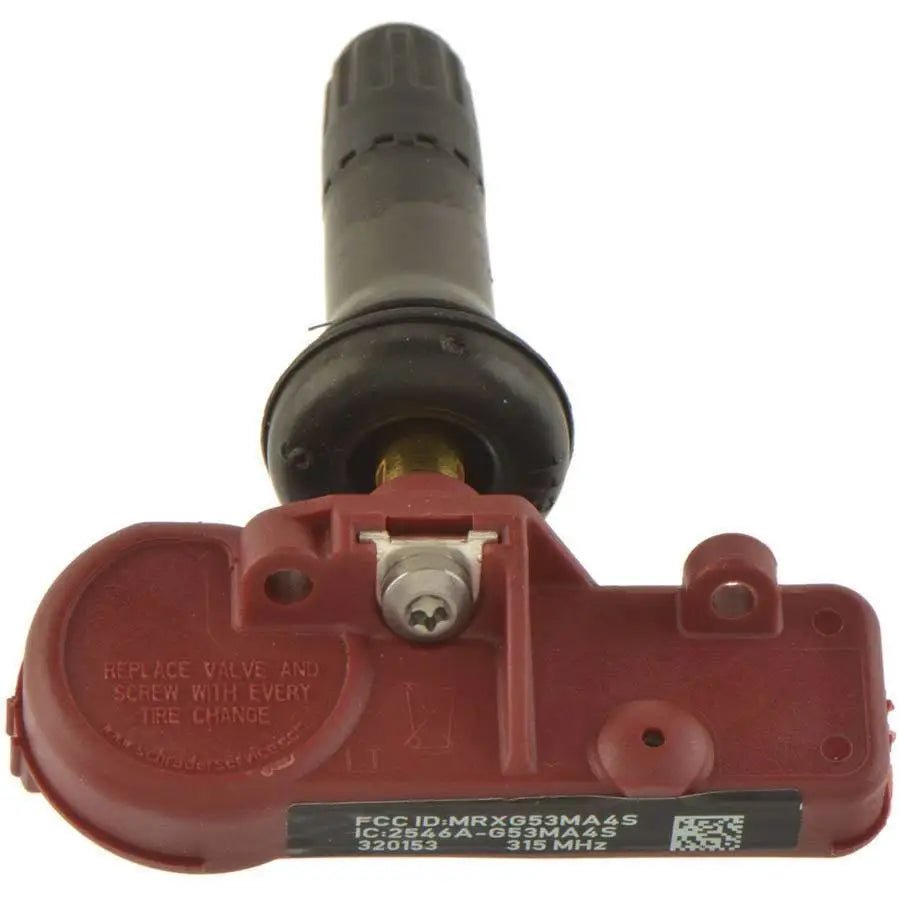
SCHRADER SB-20153 TPMS SENSOR
SKU: SB-20153
Financing options available
Financing estimates are based on the product price; selected add-ons and delivery services are excluded.
- Authorized Schrader Bridgeport Dealerdirect manufacturer relationship
- Manufacturer Warrantyincluded with purchase
- Price Match Guaranteefind it lower and we will beat it
- No Sales Tax Collected Outside PAPA orders include sales tax

Professional Grade TPMS Sensor - Schrader 315MHz Replacement (SB-20153)
OE Quality Tire Pressure Monitoring Sensor for GM Vehicles
The Schrader SB-20153 TPMS sensor provides OE-quality tire pressure monitoring for GM vehicles with 315 MHz frequency requirements. This snap-in replacement sensor measures tire pressure and temperature while meeting original equipment standards.
Key Features and Benefits
Applications
- GM vehicles requiring 315 MHz TPMS sensors (2007-2012).
- Replacement for Siemens VDO SE53007 sensors.
- Fleet maintenance programs servicing GM platforms.
- Quick service bays needing snap-in TPMS solutions.
- Tire shops working on Buick, Cadillac, Chevrolet, GMC models.
Technical Specifications
| Specification | Details |
|---|---|
| Compatibility | GM 2007-2012, 315 MHz TPMS |
| Quantity | 1 Sensor |
| Part Number | SB-20153 |
| Frequency | 315 MHz |
| Sensor Type | Snap-In |
| Housing Color | Red |
| Valve Material | Rubber |
| Part Design | 2 Piece |
| Torque Screw | 1.4 Nm (12 in-lbs) |
| Torque Core | 0.5 Nm (4 in-lbs) |
| FCC ID | MRXGM07AMSS |
| Sensor ID Length | 10 Digits |
| Sensor ID Type | Decimal |
| Manufactured By | Schrader Electronics |
Installation
- Remove old sensor from wheel.
- Install new sensor using snap-in method.
- Program sensor ID to vehicle TPMS system.
Professional TPMS Sensor Replacement
Order your Schrader SB-20153 for reliable tire pressure monitoring.
Frequently Asked Questions
Does this sensor work with all GM vehicles?
This sensor is specifically engineered for 2007-2012 GM vehicles equipped with 315 MHz TPMS systems including select Buick, Cadillac, Chevrolet, GMC, Hummer, Pontiac, and Saturn models. The sensor features a 10-digit decimal ID format compatible with GM factory systems. Always verify your specific vehicle year, make, and TPMS frequency requirements before ordering to ensure proper compatibility and functionality.
How does this compare to the original Siemens VDO SE53007?
The SB-20153 serves as a direct replacement for the discontinued SE53007 sensor and features a snap-in rubber valve design instead of the original clamp-in metal band system. Field reports from tire service professionals indicate improved electrical connection reliability and more consistent pressure readings compared with legacy VDO units that experienced higher failure rates over time.
Do I need special tools to program this sensor?
Yes, programming requires a TPMS scan tool or OBD diagnostic equipment to register the sensor's unique 10-digit decimal ID with your vehicle's computer system. Most professional tire shops and automotive service centers have this specialized equipment available for proper installation. The sensor cannot function correctly without completing this programming step during the installation process.
What's the difference between snap-in and clamp-in sensors?
Snap-in sensors like this Schrader model press directly into the wheel's valve hole using an integrated rubber stem that creates an airtight seal. Clamp-in sensors attach with a separate metal band around the wheel rim. Snap-in designs typically require fewer installation tools and provide more secure mounting for various driving conditions and wheel types.
How long do TPMS sensors typically last?
TPMS sensors generally operate for 5-10 years depending on driving conditions, temperature exposure, and usage frequency. The internal lithium battery is the primary limiting factor for sensor lifespan and determines replacement timing. Extreme weather conditions, road salt exposure, and frequent tire mounting can reduce operational life while normal highway driving typically extends sensor longevity.
About the Brand