
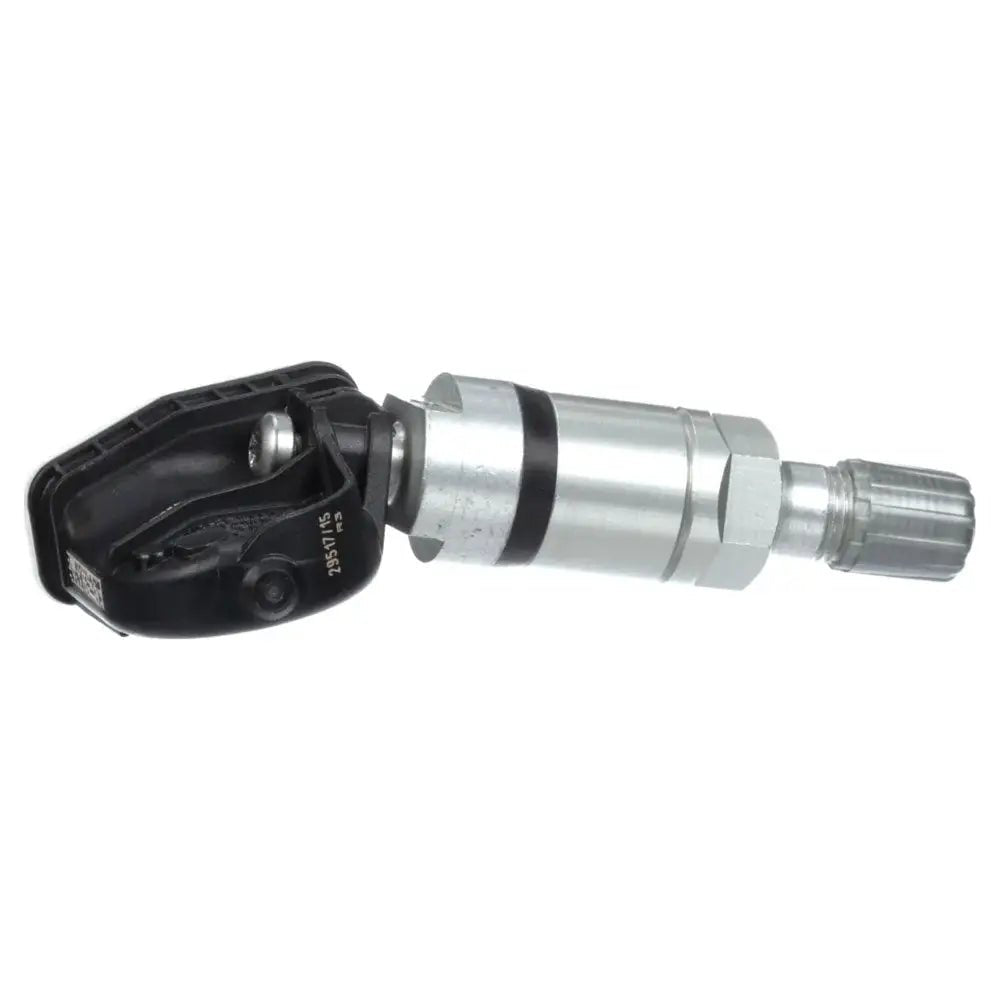
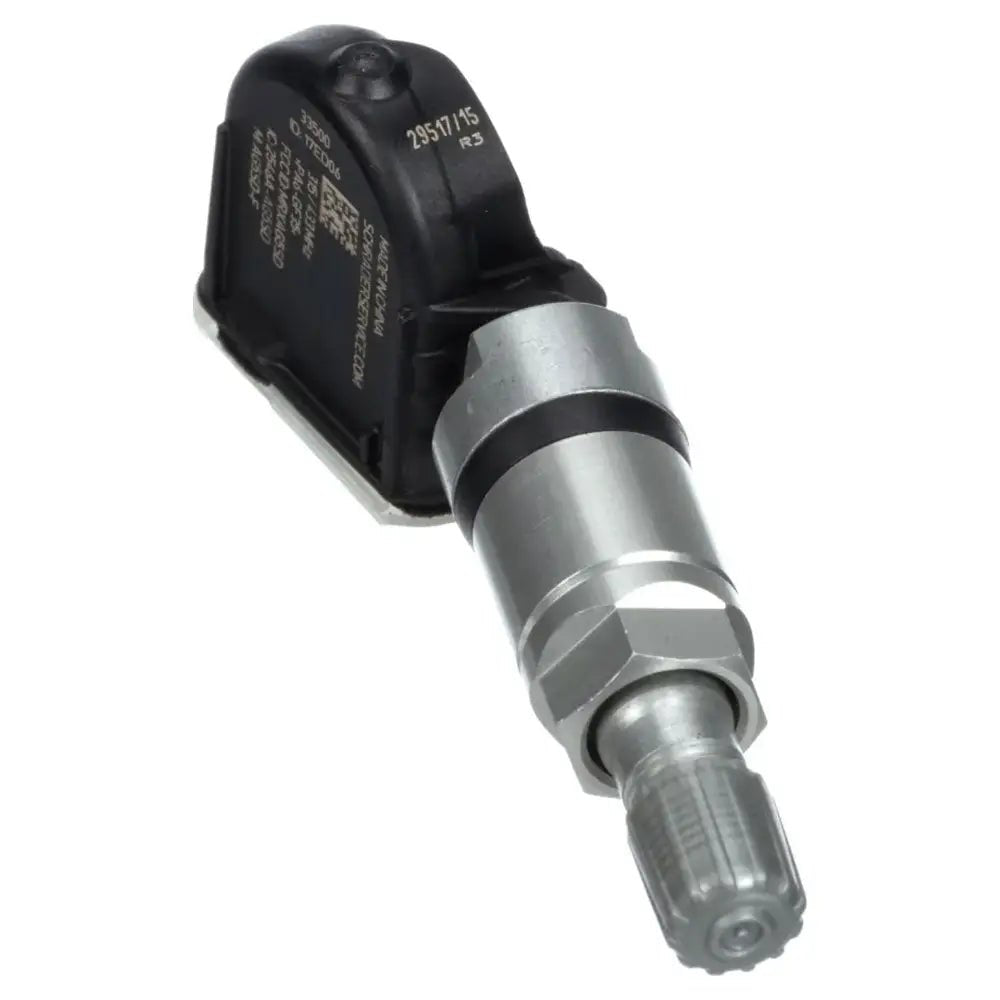
SCHRADER SB-33600 TPMS EZ-SENSOR SB-33600, ALUMINUM STEM 315/314.9/433 MHZ (EA.)
SKU: SB-33600
Financing options available
Financing estimates are based on the product price; selected add-ons and delivery services are excluded.
- Authorized Schrader Bridgeport Dealerdirect manufacturer relationship
- Manufacturer Warrantyincluded with purchase
- Price Match Guaranteefind it lower and we will beat it
- No Sales Tax Collected Outside PAPA orders include sales tax

Universal Vehicle Compatibility - Schrader EZ-Sensor TPMS (SB-33600, Each)
Programmable Multi-Frequency Sensor for Professional Service
The Schrader SB-33600 EZ-sensor is a programmable TPMS sensor that combines 314.9, 315, and 433 MHz frequencies into one universal solution. This aluminum-stem sensor covers over 98% of vehicles on North American roads and reduces inventory costs while ensuring OEM-quality performance for tire shops and service centers.
Key Benefits
Three-in-One Frequency Coverage - Combines 314.9 MHz, 315 MHz, and 433 MHz applications into one sensor, eliminating multiple inventory SKUs.
Professional-Grade Durability - Silver clamp-in aluminum valve stem validated for 155 MPH speeds and 115 PSI pressure ratings.
Future-Proof Technology - Engineered to support new and pending OEM technologies as vehicle manufacturers update TPMS systems.
Perfect for Professional Service Applications
Perfect for tire shops and service centers requiring universal compatibility:
- Tire shops requiring universal sensor compatibility across multiple vehicle brands.
- Service centers looking to optimize inventory levels and reduce SKU complexity.
- Professional installers needing reliable sensors for high-speed and high-pressure applications.
- Automotive technicians working with both domestic and import vehicles requiring different frequencies.
Technical Specifications
| Specification | SB-33600 |
|---|---|
| Frequency Range | 314.9 MHz, 315 MHz, 433 MHz |
| Maximum Speed Rating | 155 MPH |
| Maximum Pressure Rating | 115 PSI |
| Valve Core Torque | 3.5 in-lbs |
| Valve Stem Material | Silver Aluminum (Clamp-in) |
| Programming Status | Blank (Fully Programmable) |
| Quantity | Each (Single Sensor) |
Installation Requirements
Professional installation and programming are required for this sensor:
- Program the sensor to match your vehicle's frequency using a compatible TPMS programming tool.
- Install the sensor with the aluminum valve stem using proper torque specifications (3.5 in-lbs for valve core).
- Follow your vehicle manufacturer's relearning procedure to sync the new sensor with the TPMS system.
- Verify proper signal transmission and pressure readings before completing the service.
Get Professional-Grade TPMS Performance Today
Reduce inventory complexity while ensuring reliable tire pressure monitoring across your entire service fleet. Compatible with most independent TPMS programming tools and backed by Schrader's proven engineering expertise.
Order your Schrader SB-33600 EZ-sensor now for immediate shipping.
Frequently Asked Questions
What vehicles does the SB-33600 sensor work with?
This universal sensor covers over 98% of vehicles in North America by combining 314.9, 315, and 433 MHz frequencies into one programmable unit. It works with most domestic and import passenger cars, trucks, and SUVs from 2007 onwards. The multi-frequency capability eliminates the need for vehicle-specific sensors in most applications.
How does this compare to OEM sensors?
The SB-33600 delivers identical performance to original equipment sensors with the added benefit of multi-frequency programming. It meets OE validation standards for 155 MPH speeds and 115 PSI pressure while offering greater inventory flexibility than brand-specific sensors. The aluminum stem construction and future-proof technology provide equivalent durability and longevity.
What programming tools are compatible with this sensor?
The EZ-sensor works with most independent TPMS programming and diagnostic tools currently available in the market. This includes popular brands used by tire shops and automotive service centers across North America. Check with your specific tool manufacturer for compatibility confirmation, though most modern programming devices support this universal sensor format.
Can I install this sensor myself?
Professional installation is required due to the need for specialized TPMS programming equipment and proper torque specifications. The sensor must be programmed to your vehicle's frequency before installation, then the vehicle's TPMS system requires a relearning procedure. DIY installation without proper tools can result in sensor failure or inaccurate readings.
About the Brand