
Rotary R180 - Pro 3D Auto Wheel Balancer
SKU: RTY-R180
Financing options available
Financing estimates are based on the product price; selected add-ons and delivery services are excluded.
- Authorized Rotary Dealerdirect manufacturer relationship
- Manufacturer Warrantyincluded with purchase
- Price Match Guaranteefind it lower and we will beat it
- No Sales Tax Collected Outside PAPA orders include sales tax
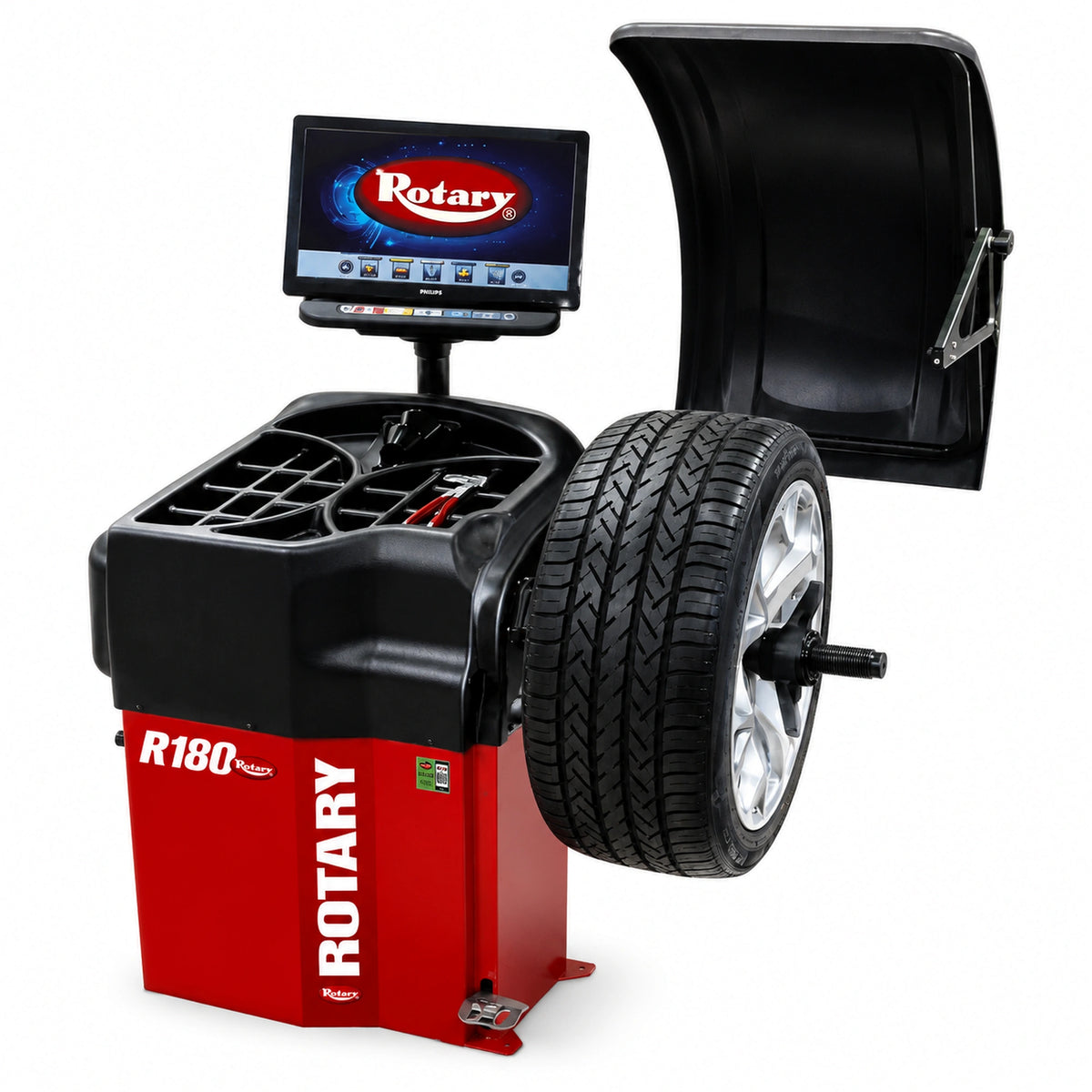
Rotary R180 Pro 3D Auto Wheel Balancer
The Rotary R180 Pro 3D is a professional-grade automatic 3D wheel balancing machine designed for high-throughput automotive and tire service environments. Featuring laser rim profile scanning and sonar-based dimension detection, this system minimizes manual input while delivering high-precision balancing for passenger cars, SUVs, and light trucks with approximately 6-second cycle times.
Key Features & Benefits
Fully Automatic 3D Balancing System
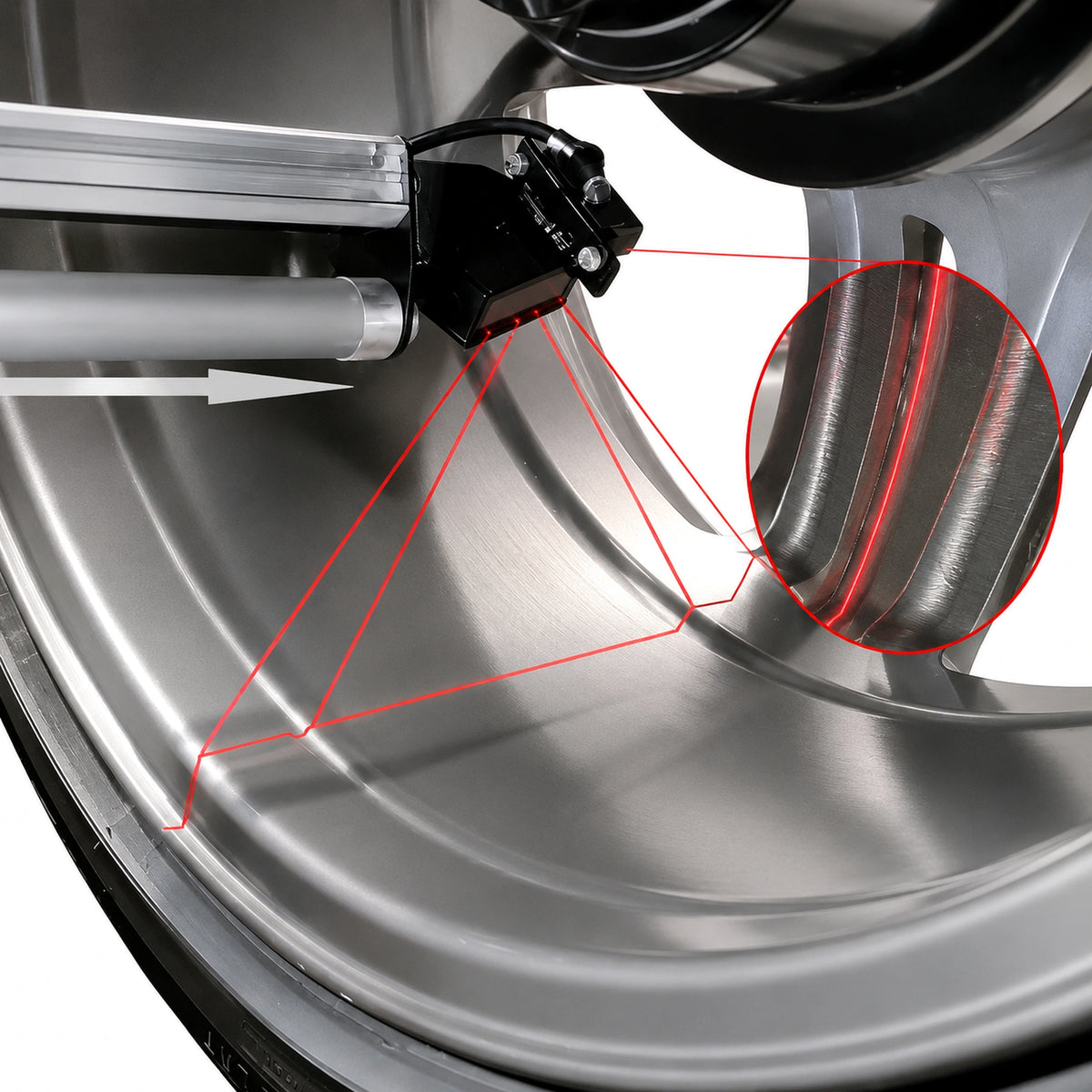
The R180 Pro 3D combines laser rim profile scanning and sonar-based dimension detection to automatically measure wheel geometry without manual input. This dual-sensor technology eliminates the need for technicians to manually enter rim diameter, tire width, or offset specifications—the system detects these measurements automatically and instantly programs the correct balancing parameters.
In typical service environments, manual wheel measurement and programming creates bottlenecks when techs process high volumes of wheels. Traditional single-sensor balancers require technicians to estimate dimensions or perform manual data entry, introducing errors and slowing throughput during peak service hours. The R180 Pro 3D addresses this by automating the entire measurement workflow on initial wheel contact.
This enables faster wheel processing with zero manual data-entry errors. Technicians simply mount the wheel and the system instantly recognizes geometry, applies the correct balancing algorithm, and begins the cycle—eliminating setup delays and programming mistakes that traditional systems require.
High-Precision 1-Gram Accuracy
The R180 Pro 3D delivers 1-gram accuracy across the full operating range, achieving precision that meets professional tire shop requirements for passenger vehicles, SUVs, and light trucks. This measurement and balancing precision is enabled by the laser rim profile scanner and the system's electronic weight-placement calibration, ensuring consistent repeatability across all wheel sizes from 10 inches to 30 inches in diameter.
Shop environments that serve premium vehicle segments (high-performance, luxury, or modern balance-sensitive vehicles) require accuracy better than the 2-3 gram range that some standard balancers provide. Undersized tolerances on weight placement lead to vibration complaints and customer returns. The R180 Pro 3D meets stricter accuracy requirements without sacrificing speed, allowing shops to handle both high-volume standard work and precision work on the same equipment.
This improves customer satisfaction and reduces vibration-related comebacks. The 1-gram accuracy level also means shops can confidently balance ultra-light-weight wheels and modern tire-and-wheel assemblies where small imbalances produce noticeable vehicle vibration.
Fast 6-Second Balancing Cycle
With an approximate balancing cycle time of just 6 seconds and a rotation speed of less than 100 rpm, the R180 Pro 3D delivers rapid throughput without safety compromises. The low-speed operation enables safer material handling—lower spin speeds reduce ejection risk and operator fatigue during repetitive high-volume wheel balancing.
High-volume tire shops and service chains require equipment that processes wheels quickly during peak hours. Slower cycle times (12-20 seconds) create workflow gridlocks when shops handle 100+ wheels daily. The 6-second cycle time directly improves labor efficiency and reduces technician wait time between wheels, allowing shops to handle peak demand without staffing increases.
This increases shop productivity and enables faster customer turnaround on tire service jobs. The combination of fast cycle time and low-speed operation also improves safety by reducing operator handling demands and equipment stress during high-volume work.
Advanced Weight Placement Programs
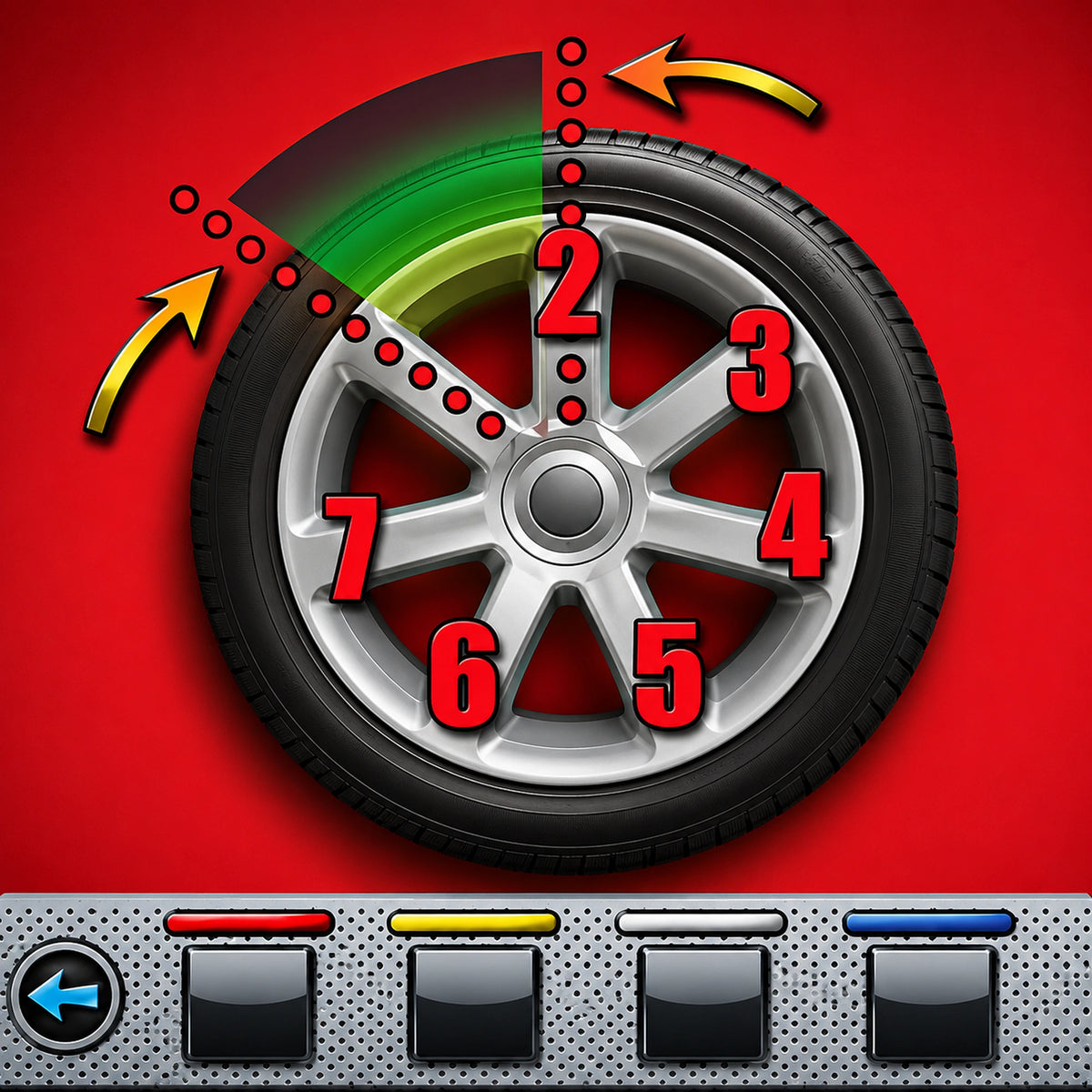
The R180 Pro 3D supports hidden weight balancing and split weight configurations, enabling technicians to place balance weights in locations that meet vehicle design constraints or aesthetic preferences. The system automatically calculates and programs weight distribution across multiple mounting points, and the memory function stores configurations for repeat wheel types so future wheels of the same specification automatically receive identical weight placements.
Standard balancers typically apply weights to the most convenient location on the wheel rim, which may be visible or conflict with modern wheel designs that feature spokes or trim rings covering the balance point. Luxury vehicles, performance wheels, and custom applications often require weights placed on the inner rim or distributed across multiple points. The R180 Pro 3D enables these advanced placement strategies without manual calculation or re-entry.
This eliminates manual recalculation and enables shops to serve custom and premium vehicle segments that require precise weight placement. The memory function also improves efficiency on fleet work and repeat customers—the system remembers that a particular wheel type receives split weights on the inner rim and applies the same configuration on future visits without technician reprogramming.
Memory & Auto-Program Functions
The R180 Pro 3D stores wheel specifications and balancing programs in memory, allowing the system to instantly recognize repeat wheel types and automatically apply the correct balancing parameters. When a technician mounts a wheel that the system has previously balanced, the machine recalls the stored program and eliminates manual selection steps—reducing balancing time and ensuring consistency across repeat jobs.
In high-volume environments, shops process the same wheel and tire combinations repeatedly (common vehicle models, fleet standardization, popular aftermarket wheel sizes). Without memory functionality, technicians manually re-enter or re-select the same program specifications on every single wheel. This creates delays and opportunities for manual error on routine jobs. The memory function transforms repeat work into single-action cycles.
This improves efficiency on fleet work and high-volume customer bases where the same vehicles or wheel types appear repeatedly. The automatic program selection also eliminates manual data-entry errors on familiar wheel types, ensuring identical balancing results and faster cycle completion on routine work.
Professional Adapter System & Durability
The R180 Pro 3D includes a 7-piece collet kit with light truck adapters, quick-locking wing nut, rubber ring protector, and calibration weight—enabling the system to handle wheels from 10 inches to 30 inches in diameter and accommodating a maximum tire width of 22 inches with a maximum tire diameter of 44 inches. The collet adapter system provides secure, repeatable mounting without manual adjustment, and the quick-locking design reduces setup time between wheels.
Professional-grade automotive equipment must handle diverse wheel sizes and types in rapid succession. Manual adapter systems require setup adjustments, risking improper clamping or wheel slippage during rotation. The R180 Pro 3D's quick-lock system ensures consistent, safe mounting across all wheel types without delay, and the included adapter set covers the full range of standard automotive applications from compact cars through light trucks.
This enables shops to balance any vehicle on a single machine without adapter changes or manual reconfiguration. The comprehensive adapter system also eliminates purchase of additional components, providing complete setup capability from day one of installation.
Product Demonstration
Applications & Use Cases
- Automotive Repair Shops: Full-service facilities balancing wheels as part of routine maintenance, suspension work, and tire service for a diverse customer base including passenger cars, SUVs, and light trucks.
- Tire Dealers: High-volume tire retailers requiring rapid wheel balancing during tire sales and seasonal demand peaks, with the ability to handle multiple vehicle types and wheel sizes simultaneously.
- Professional Service Centers: Dedicated wheel and tire service facilities requiring consistent precision and throughput for commercial fleets, lease vehicles, and high-volume customer bases.
- Fleet Maintenance Operations: Corporate and commercial fleet operators maintaining standardized vehicle populations where memory functionality optimizes repeat balancing of identical vehicle and wheel combinations.
Technical Specifications
| Specification | Value |
|---|---|
| Rim Diameter Range | 10 to 30 inches (254 to 762 mm) |
| Tire Width Range | 1.5 to 22 inches (38 to 559 mm) |
| Maximum Tire Diameter | 44 inches (1,118 mm) |
| Maximum Shaft Weight | 176 lb (80 kg) |
| Specification | Value |
|---|---|
| Balancing Accuracy | 1 gram |
| Cycle Time | Approximately 6 seconds |
| Rotation Speed | Less than 100 rpm |
| Measurement Technology | Laser rim profile scanner with sonar dimension detection |
| Specification | Value |
|---|---|
| Power Supply | 110V, single-phase, 60 Hz |
| Electrical Configuration | Standard 110V outlet with dedicated circuit recommended |
Installation Requirements
Power Requirements
- Voltage: 110V, single-phase, 60 Hz electrical service
- Circuit Setup: Dedicated electrical circuit recommended to prevent voltage fluctuations and equipment cycling issues
- Grounding: Proper grounding required per local electrical code
Space & Clearances
- Floor Clearance: Adequate floor space for the equipment footprint and wheel access during operation
- Overhead Clearance: Sufficient overhead clearance for the hood to open fully during wheel mounting and removal
- Work Area: Clear operating space around all sides of the balancer for technician access and wheel handling
Installation Notes
- Mounting Surface: Stable, level floor surface to ensure balance accuracy and safe equipment operation
- Permits: Verify local code compliance and permit requirements before installation
- Professional Installation: Installation should be performed by qualified personnel following the manufacturer installation manual
Shipping & Delivery
Freight Coverage
Shipping: Freight shipping included within the 48 contiguous United States. Surcharges apply for Alaska, Hawaii, and rural delivery locations.
Delivery Timeframe: Approximately 2-4 weeks from order placement (subject to inventory availability and freight scheduling).
Delivery Requirements
Equipment Required: Forklift or pallet jack (minimum 2,000 lb capacity) required for receiving and positioning. Standard freight delivery includes curbside drop-off; inside delivery arrangements require additional coordination.
Receiving Protocol: Inspect all packages before accepting delivery. Note any visible damage on the bill of lading before the driver departs.
Concealed Damage Reporting
Within 15 days: 100% coverage for replacement parts and freight costs for concealed damage discovered after delivery.
Within 30 days: 50% coverage for replacement parts and freight costs for concealed damage discovered after delivery.
After 30 days: No coverage—customer responsible for parts and freight costs.
Warranty Coverage
Manufacturer Warranty
3-Year Parts Warranty: Complete coverage for manufacturing defects, component failures, and mechanical issues. Covers all internal components, hydraulic systems, electrical controls, and structural elements.
This warranty term aligns with professional equipment standards for high-volume service environments and provides extended protection beyond typical industry baselines.
Warranty Requirements
Installation: Installation must be performed by qualified personnel following the manufacturer installation manual to maintain warranty validity.
Maintenance: Routine maintenance and calibration procedures should be followed per manufacturer recommendations to maintain warranty coverage.
Operational Use: Equipment must be operated within specified capacity and environmental parameters outlined in the installation manual.
Ready to Optimize Your Wheel Service Operation?
The Rotary R180 Pro 3D delivers the speed, precision, and automation that professional tire shops and service centers require for high-volume wheel balancing. Get expert guidance on the system, installation requirements, and how it integrates with your specific shop workflow.
Frequently Asked Questions
What is the balancing accuracy of the Rotary R180 Pro 3D?
The R180 Pro 3D delivers 1-gram accuracy across the full operating range from 10-inch to 30-inch wheels. This precision level meets professional tire shop requirements and supports high-performance vehicle balancing without customer vibration complaints or comebacks.
What wheel sizes does the Rotary R180 Pro 3D accommodate?
The system handles rim diameters from 10 to 30 inches (254 to 762 mm), tire widths from 1.5 to 22 inches (38 to 559 mm), and maximum tire diameters up to 44 inches (1,118 mm). This range covers passenger cars, SUVs, and light trucks, allowing a single machine to service all standard vehicle types.
How fast is the balancing cycle on the Rotary R180 Pro 3D?
The system completes a full balancing cycle in approximately 6 seconds at a rotation speed of less than 100 rpm. This fast cycle time improves shop throughput during high-volume work while the low rotation speed enhances operator safety and reduces equipment stress during continuous operation.
What is included with the Rotary R180 Pro 3D?
The system includes a 7-piece collet kit and light truck adapters, quick-locking wing nut with rubber ring protector, calibration weight and weight pliers, laser rim profile scanner, and automatic sonar dimension detection system. These components provide complete functionality for balancing wheels from 10 to 30 inches in diameter right out of the box.
What are the power requirements for the Rotary R180 Pro 3D?
The system requires 110V, single-phase, 60 Hz electrical service with a dedicated circuit recommended. This standard electrical configuration is compatible with most automotive repair shops and tire service facilities without requiring electrical infrastructure upgrades.
How does the laser and sonar measurement system work?
The laser rim profile scanner and sonar-based dimension detection automatically measure wheel geometry when the wheel is mounted. The dual-sensor system detects rim diameter, tire width, and offset without manual data entry, instantly programs the correct balancing parameters, and eliminates the measurement errors that manual systems introduce.
Does the R180 Pro 3D have memory functionality for repeat wheels?
Yes, the system stores wheel specifications and balancing programs in memory. On repeat wheels of the same type, the machine automatically recalls the stored program and applies identical balancing parameters, eliminating manual re-entry and ensuring consistency across fleet work and high-volume customer bases.
What is the warranty coverage for the Rotary R180 Pro 3D?
The system includes a 3-year parts warranty covering all manufacturing defects, component failures, mechanical issues, hydraulic systems, and electrical controls. Installation must be performed by qualified personnel following the manufacturer manual, and routine maintenance per manufacturer recommendations should be followed to maintain warranty validity.
About the Brand
Rotary